Giorgio de Chirico

Metaphysical painting

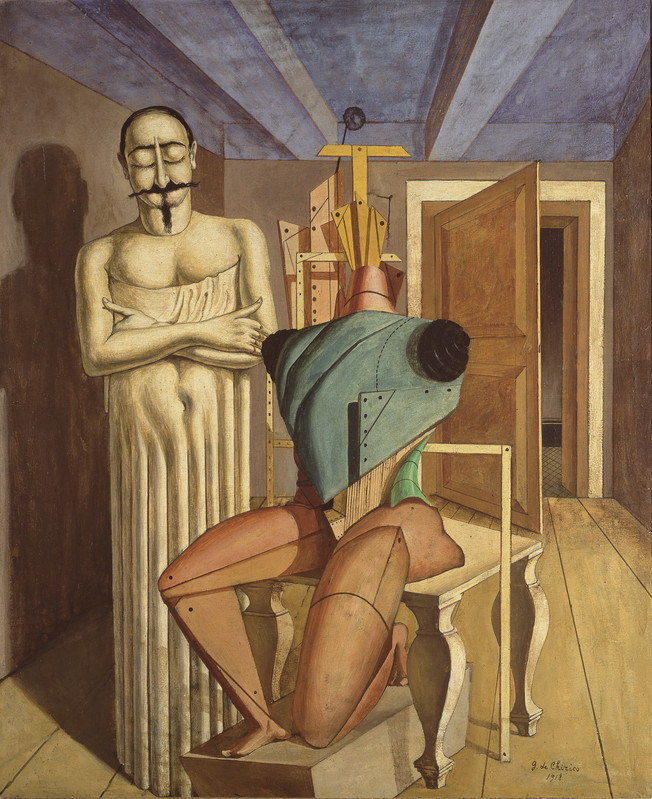
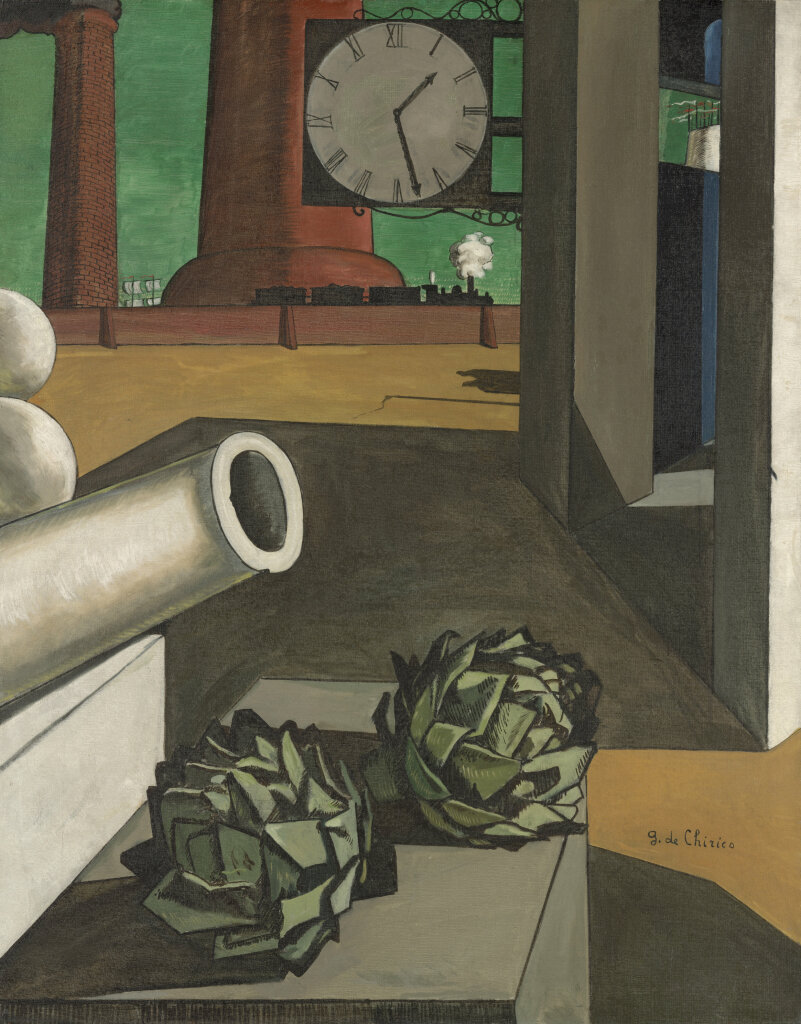
The exhibition retraces the career and the artistic and philosophic influences of the artist Giorgio de Chirico from Munich to Turin, then to Paris where he discovered the artistic avant-garde of his era, and lastly Ferrare. The connections between the painter – discovered by Apollinaire and subsequently backed by the art dealer Paul Guillaume – and the Parisian cultural and literary circles will be highlighted as never before.
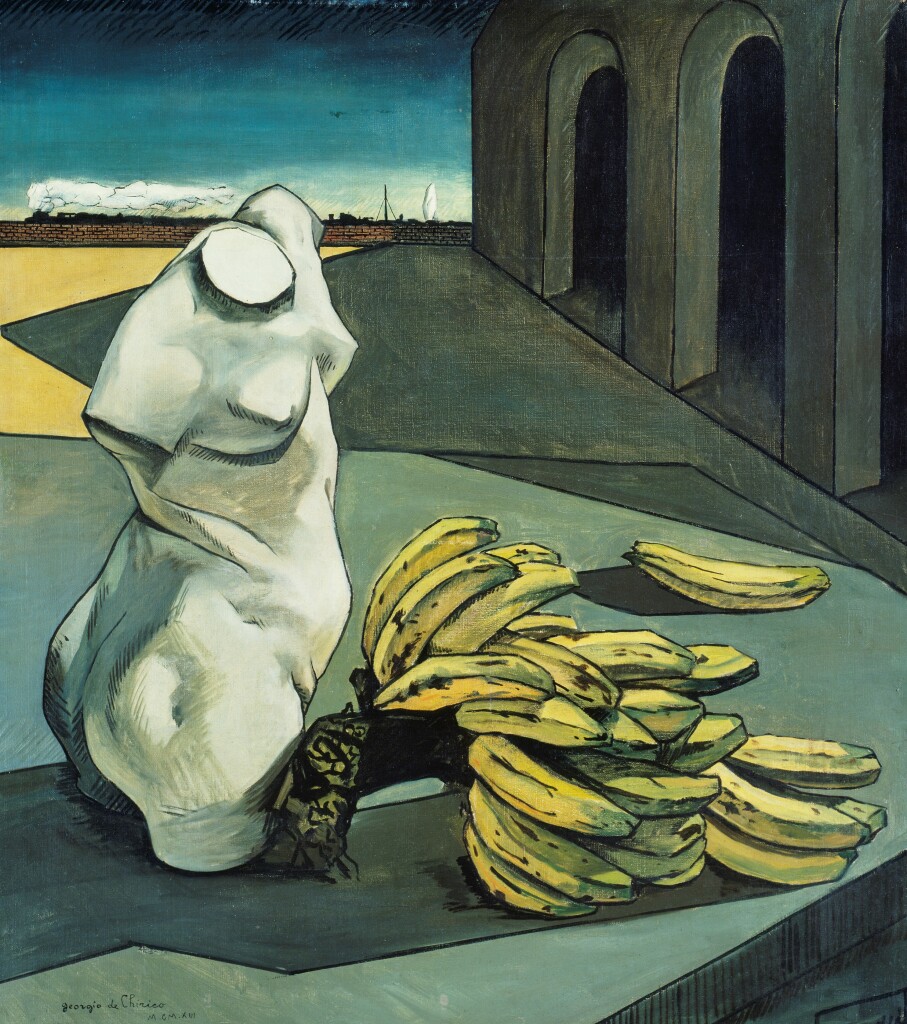
Born in Greece and trained in the fount of classical culture and late German Romanticism, de Chirico developed the foundations of a new artistic exploration alongside his younger brother Alberto Savinio. A student at the Academy of Fine Arts in Munich as of 1908, he discovered the thinking of Nietzsche and Schopenhauer as well as the works of Böcklin and Klinger. After travelling to Milan then Florence, it was in France, and more specifically Paris, as of autumn 1911, that he established his unique visual vocabulary through contact with the modernist artistic revolutions. He was quickly noticed by numerous artistic celebrities of the time, among whom Guillaume Apollinaire, Maurice Raynal, André Salmon, André Breton, Paul Éluard and Jean Paulhan were the first to take an interest in and promote his work.
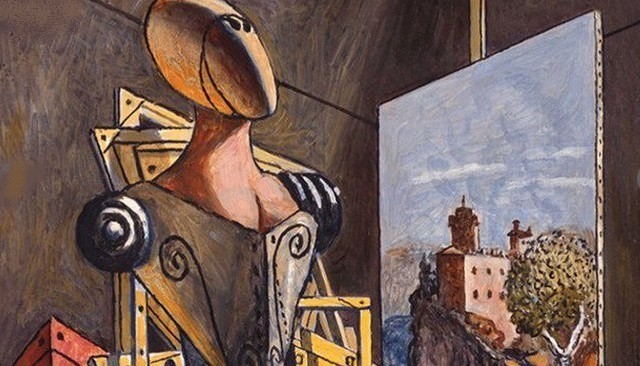
The exhibition thus comes into its own at the Musée de l’Orangerie alongside the figure of Paul Guillaume, the first art dealer to work with Giorgio de Chirico. On his return to Italy in 1915, he and his brother Savinio were sent to Ferrare for military reasons, where he continued his artistic research. This period (June 1915-December 1918) provided an opportunity for painters Carlo Carrà and Giorgio Morandi to get to know the two brothers, thus resulting in the creation of what was later to be known as the “metaphysical movement” which brings the exhibition to a close.
September 16 – December 14, 2020

MUSEE DE L’ORANGERIE


place de la Concorde, Jardin des Tuileries 75001 Paris

01 44 77 80 07

,

Giorgio de Chirico

La peinture métaphysique

L’exposition retrace le parcours et les influences artistiques et philosophiques qui ont nourri Giorgio de Chirico de Munich à Turin, puis à Paris où il découvre les avant-gardes picturales de son temps et enfin à Ferrare. De manière inédite, seront mis en lumière les liens du peintre, découvert par Apollinaire puis soutenu par le marchand Paul Guillaume, avec les cercles culturels et littéraires parisiens.

Né en Grèce et formé dans le creuset de la culture classique et du romantisme allemand tardif, De Chirico développe les fondements d’une nouvelle conception artistique aux côtés de son frère cadet Alberto Savinio. Elève à l’Académie des Beaux-Arts de Munich à partir de 1908, il découvre la pensée de Nietzsche et Schopenhauer ainsi que les œuvres de Böcklin et de Klinger. Après un passage à Milan puis Florence, c’est cependant depuis la France, à Paris dès l’automne 1911, qu’il met en place un vocabulaire plastique singulier au contact des révolutions picturales modernistes. Il est très vite remarqué par certaines personnalités artistiques de son temps. Guillaume Apollinaire, Maurice Raynal et André Salmon, mais aussi André Breton, Paul Éluard, Jean Paulhan, sont parmi les premiers à s’intéresser à son œuvre et à la promouvoir.

L’exposition trouve ainsi toute sa place au musée de l’Orangerie autour de la figure de Paul Guillaume qui fut le tout premier marchand de Giorgio de Chirico. De retour en Italie en 1915, il est envoyé avec son frère Savinio à Ferrare pour des raisons militaires et y poursuit ses recherches picturales. La période ferraraise (juin 1915-décembre 1918) est l’occasion pour les peintres Carlo Carrà et Giorgio Morandi de fréquenter les deux frères permettant ainsi la formation de ce que l’on qualifiera plus tard d’ « école métaphysique » et sur laquelle se clôt l’exposition.

du 16 septembre au 14 décembre 2020

MUSEE DE L’ORANGERIE


place de la Concorde, Jardin des Tuileries 75001 Paris

01 44 77 80 07