, ,

On the roads of Samarkand
Wonders of silk and gold
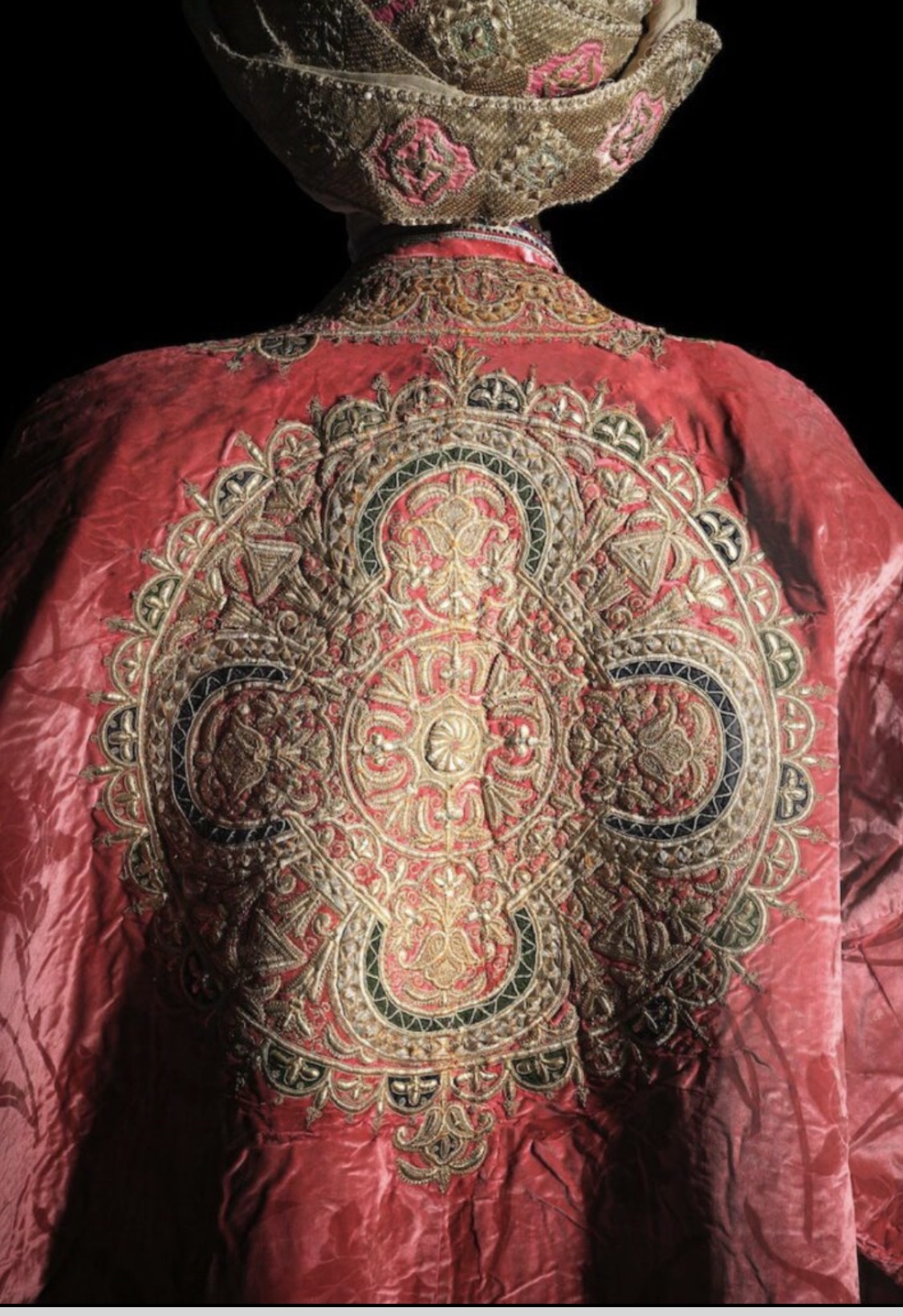
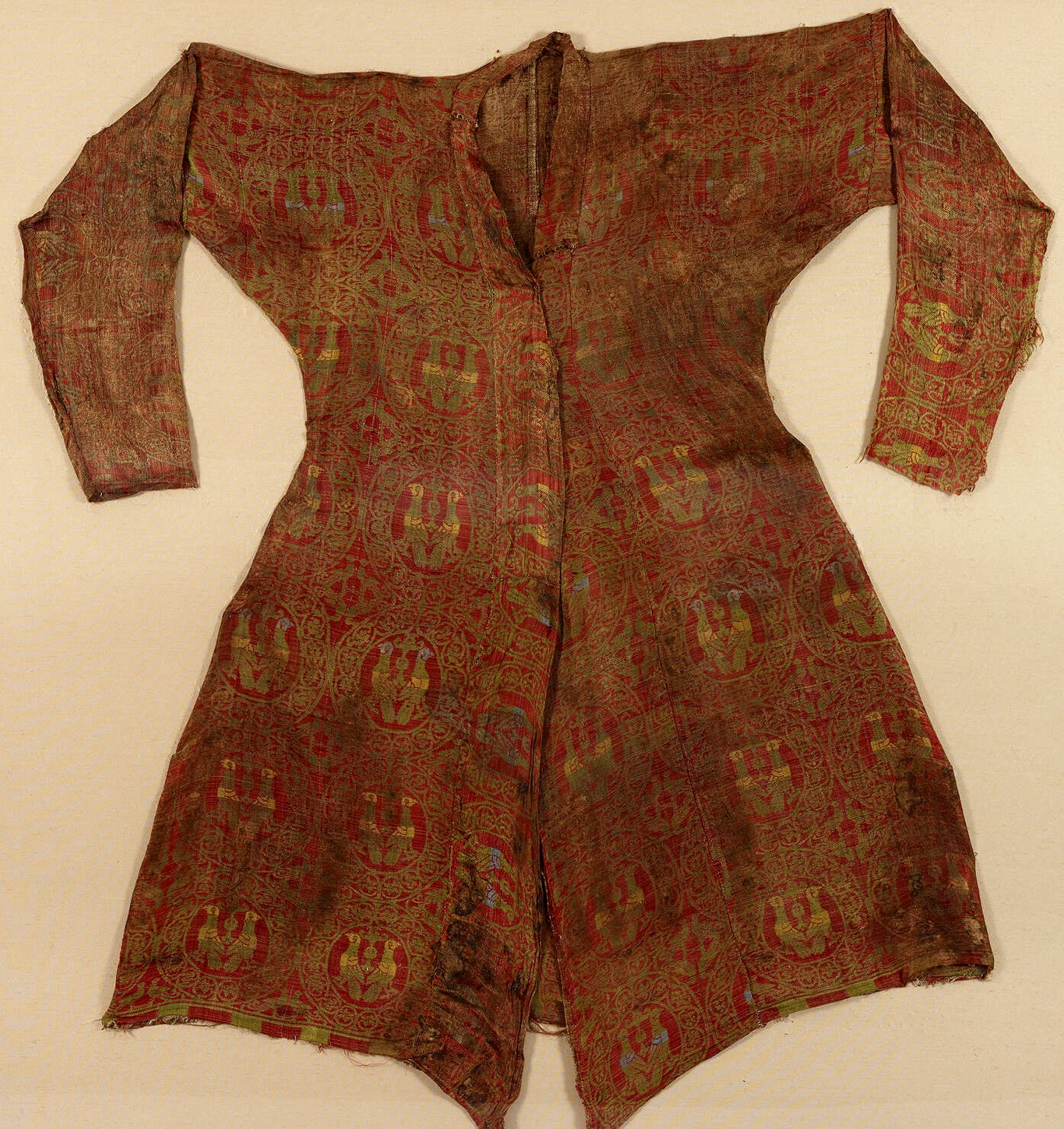
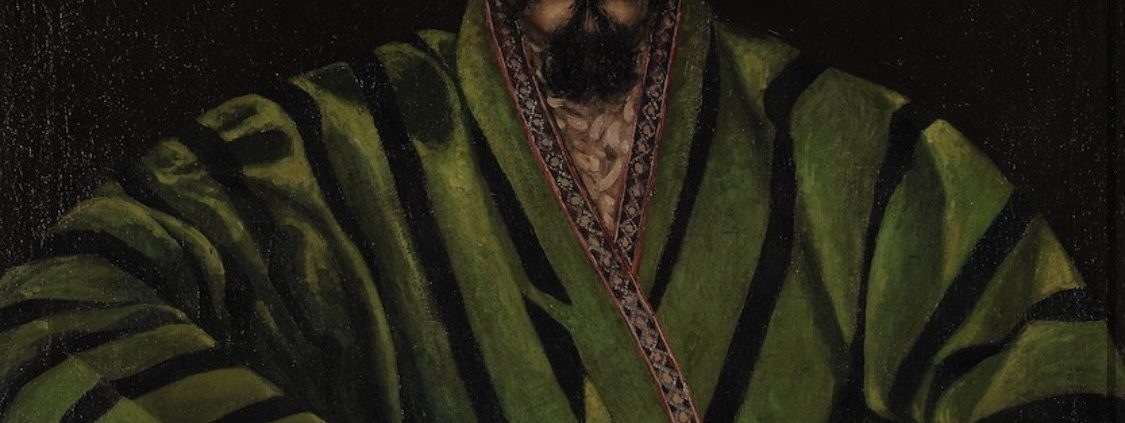
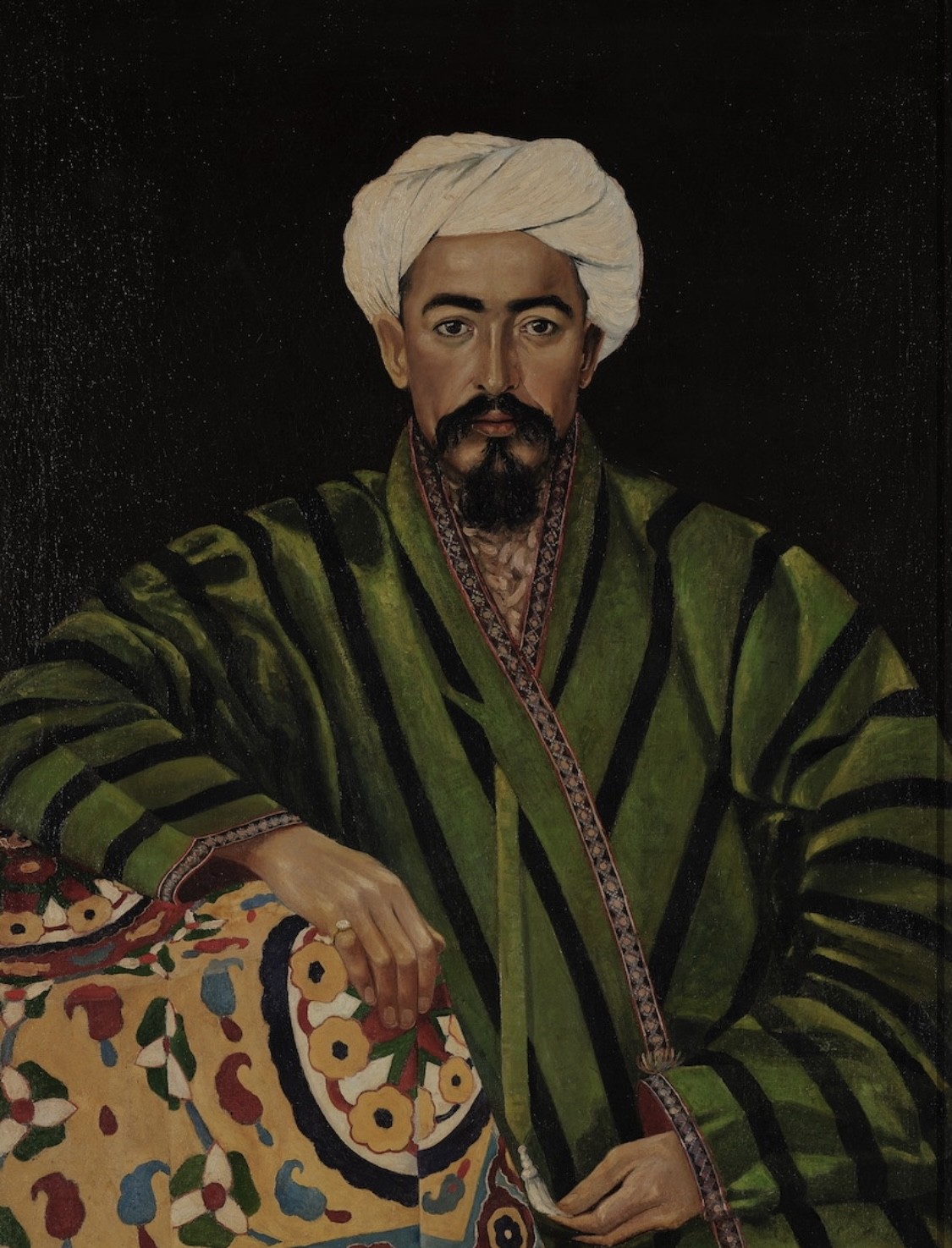
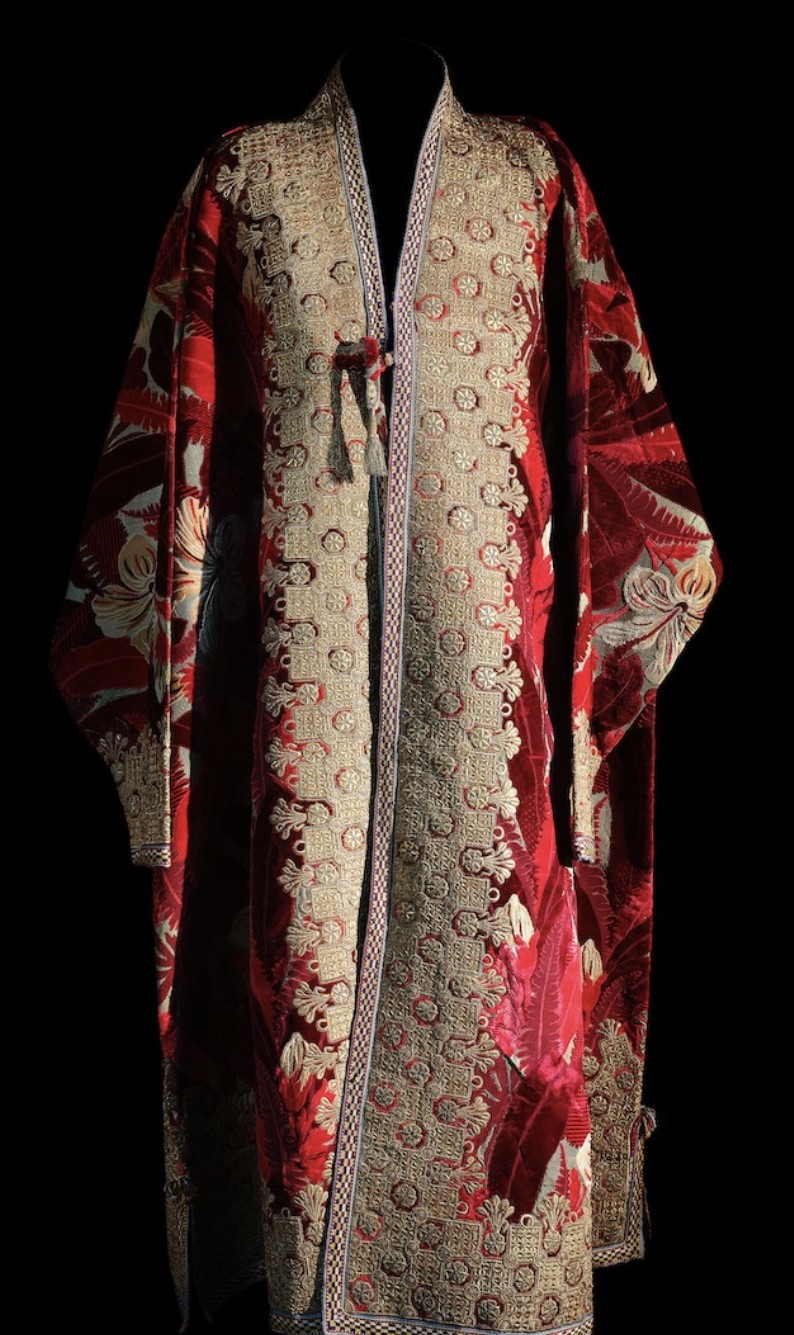
Sumptuous gold-embroidered chapan coats and accessories from the Emir’s court, painted wooden saddles, silver horse harnesses set with turquoises, precious embroidered suzani hangings, carpets, silk ikats, jewelry and costumes from the nomadic culture as well than about fifteen orientalist paintings: over a course deployed over more than 1100 m² are deployed nearly 300 new pieces, representative of the treasures of Uzbekistan.
“On the Roads of Samarkand” magnifies the renaissance of the splendor of craftsmanship in the 19th and early 20th centuries, constitutive of Uzbek identity. Textiles, like the powers of the Islamic world, play a key role in this; Bukhara embroidery, in particular, occupies a special place among the many art forms of Uzbekistan. It was during the Emirate of Bukhara (1785-1920) that gold embroidery reached its peak and its fame in terms of technique, quality and above all creativity. A number of splendid and monumental productions – chapans, dresses, headdresses, saddle cloths mixing colors and gold – reserved for the court and for diplomatic gifts were exclusively made in the private workshop of the emir and bear witness to his opulent art of living.
Many other pieces are to be discovered throughout the exhibition, offering a broader perspective of the society of the time, including the famous ikats and their anthology of colors, weavings resulting from ancestral techniques, and regional stylistic specificities. from Khorezm, the Ferghana Valley or the Karakalpak region, where accumulations of jewelry extended the female wardrobe.
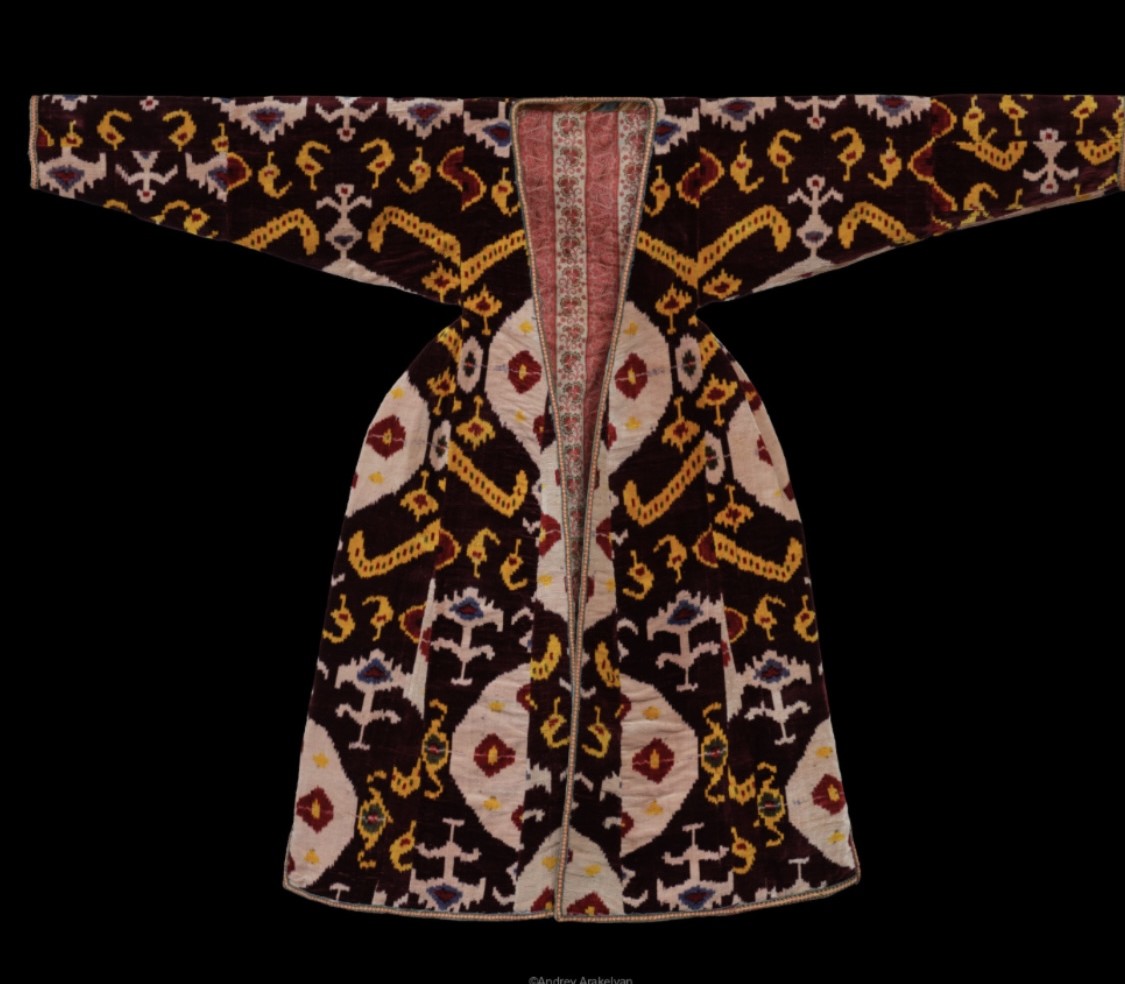
At the turn of the century, Turkestan – a territory that covered the future republic of Uzbekistan – was the destination of choice for many artists from Central Asia and Russia. New art schools were created in the 1920s; an Uzbek school is born, of which Alexandre Volkov (1886-1957) takes the head. The painters will discover this territory and find in the richness of the landscapes, shapes, colors and faces of Central Asia a unique inspiration. This is how we find, in the subjects worked, the carpets, suzanis, chapans and ikats presented in the exhibition, each artist approaching this quest for elsewhere and exoticism by following his own style.
November 23, 2022 – June 4, 2023

IMA

1 rue des Fossés Saint-Bernard 75005 Paris

, ,

Splendors of the oases of Uzbekistan

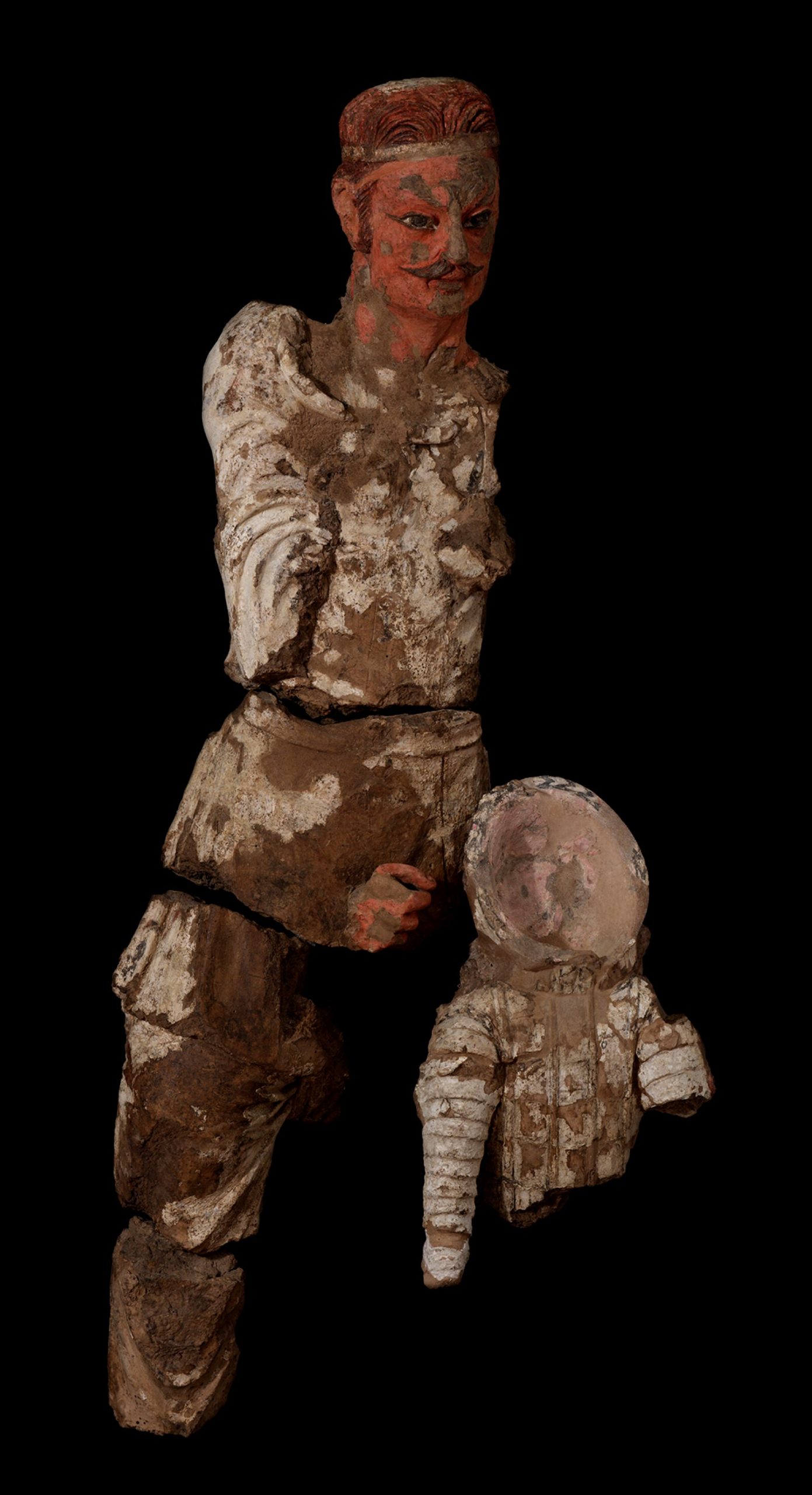
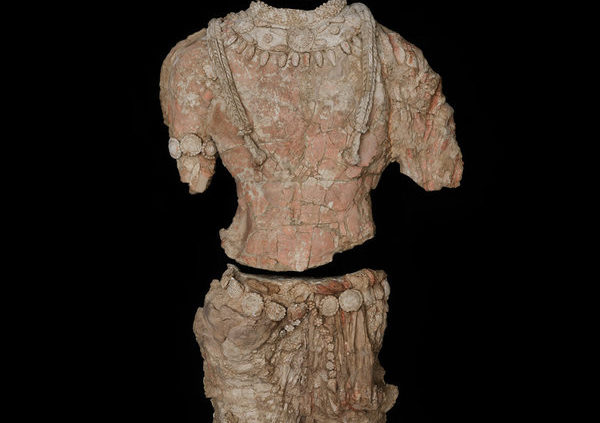
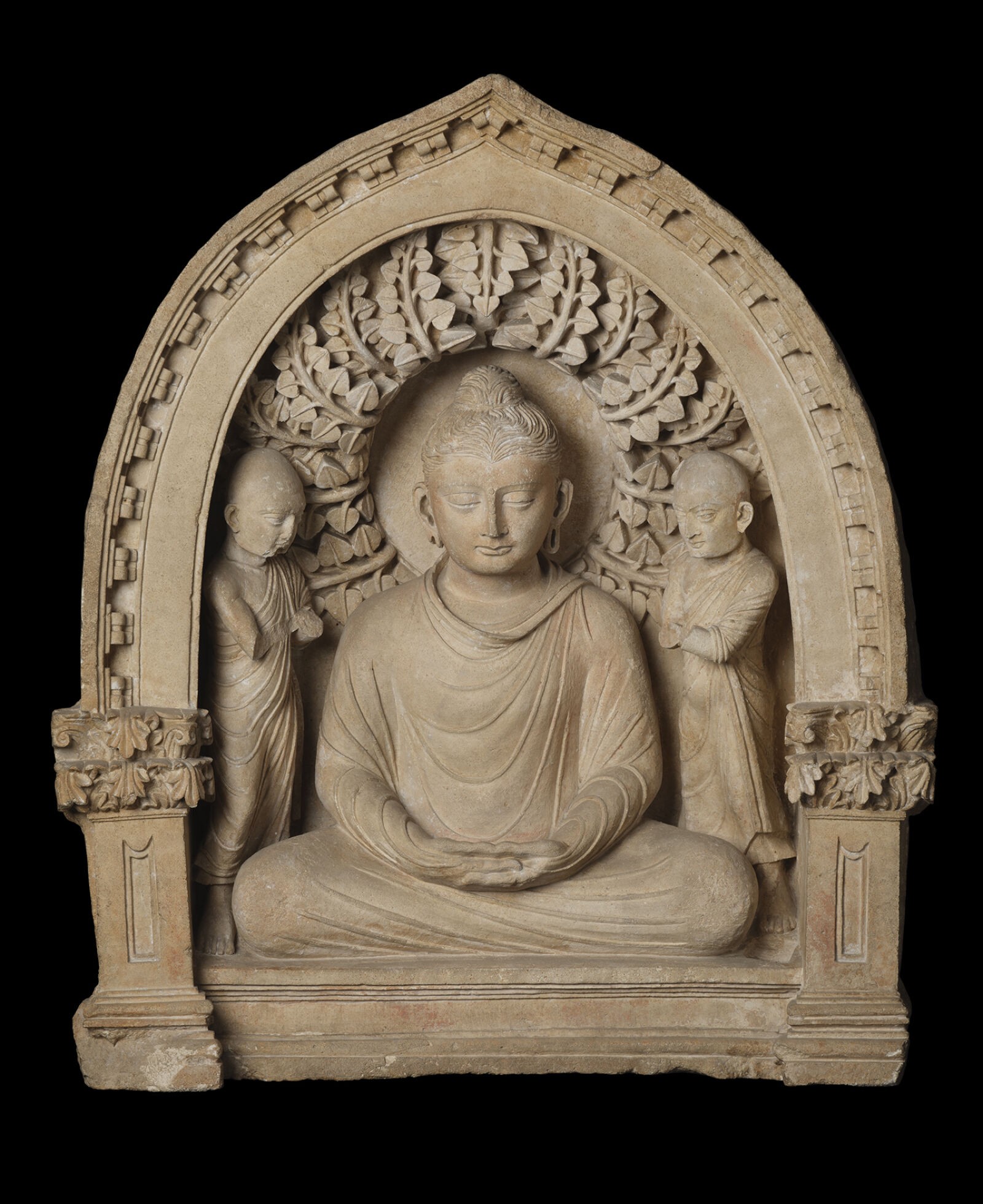
The Louvre Museum takes you to the heart of Central Asia, where the names of Samarkand and Bukhara still resonate today, revealing the splendours of the oases of Uzbekistan. Through the selection of nearly 180 masterpieces, the museum goes up the Silk Road, along the caravan routes from the Far East to the Mediterranean to restore more than 16 centuries of merchant history.

Based in particular on an authentic version of Marco Polo’s fabulous Book of Wonders, the museum brings back to life the time of the middle kingdoms, restoring the magic of a territory coveted by Alexander the Great as well as by Genghis Kahn and the Caliphs of Baghdad.

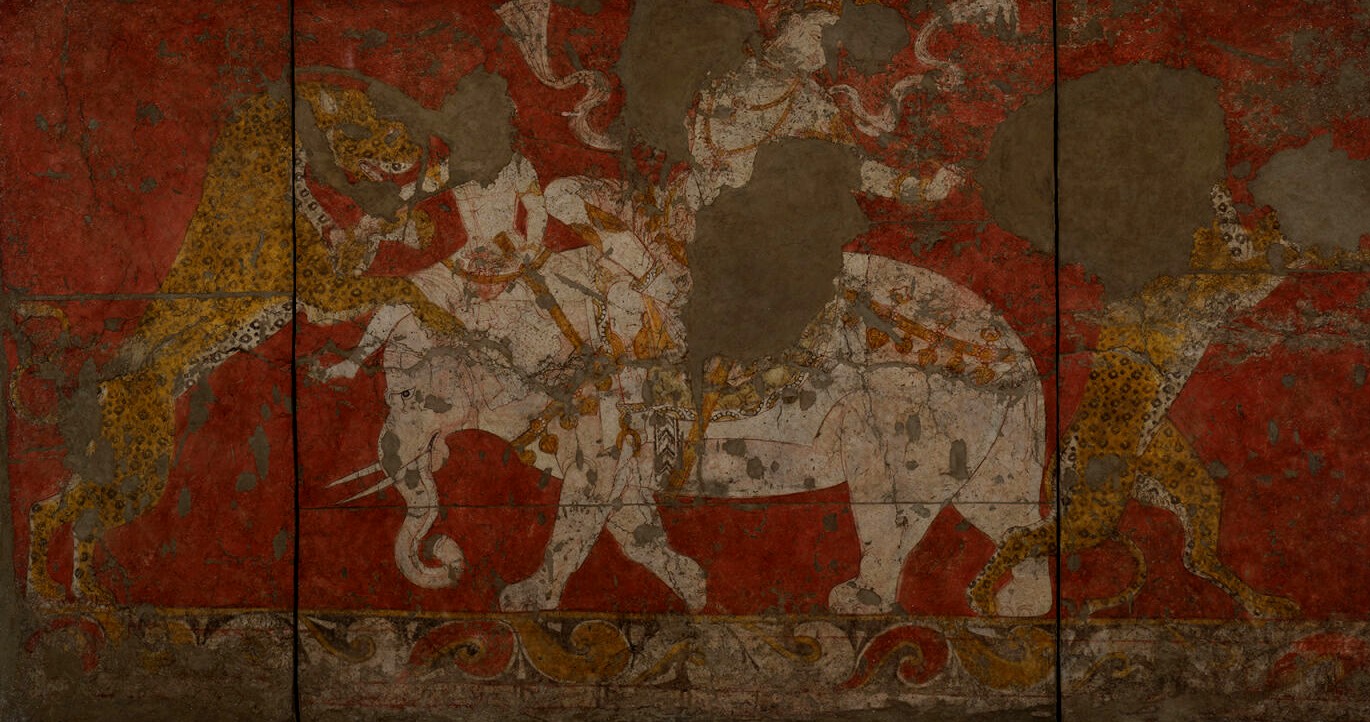
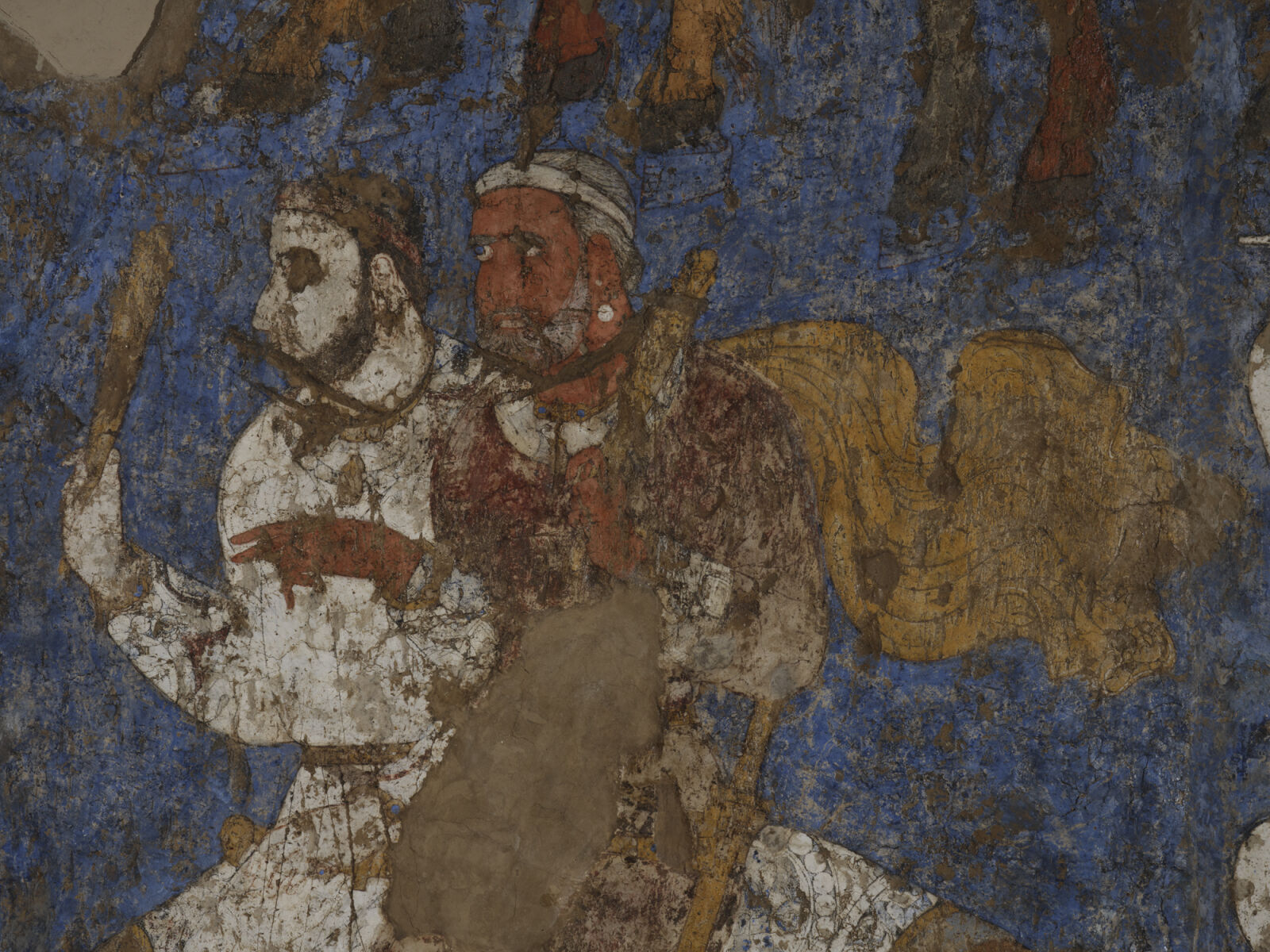
A wide selection of these masterpieces never left the country and specially restored are presented in this exhibition, such as the monumental murals of the palace of the ambassadors of Samarkand and its region, pages from one of the oldest monumental Korans of the beginnings of Islam from Katta Langar, in Sogdiana, and other gold treasures from Bactria (Dalverzintépé), silver, silk, ceramics. It is also an opportunity to admire some masterpieces of the famous miniature painting of the Bukhara school of the 16th century.

Thus, also thanks to exceptional loans from major European museums, the exhibition brings together nearly 130 works and invites us to travel through space and time.

November 23, 2022 – March 6, 2023

MUSEE du LOUVRE

, ,

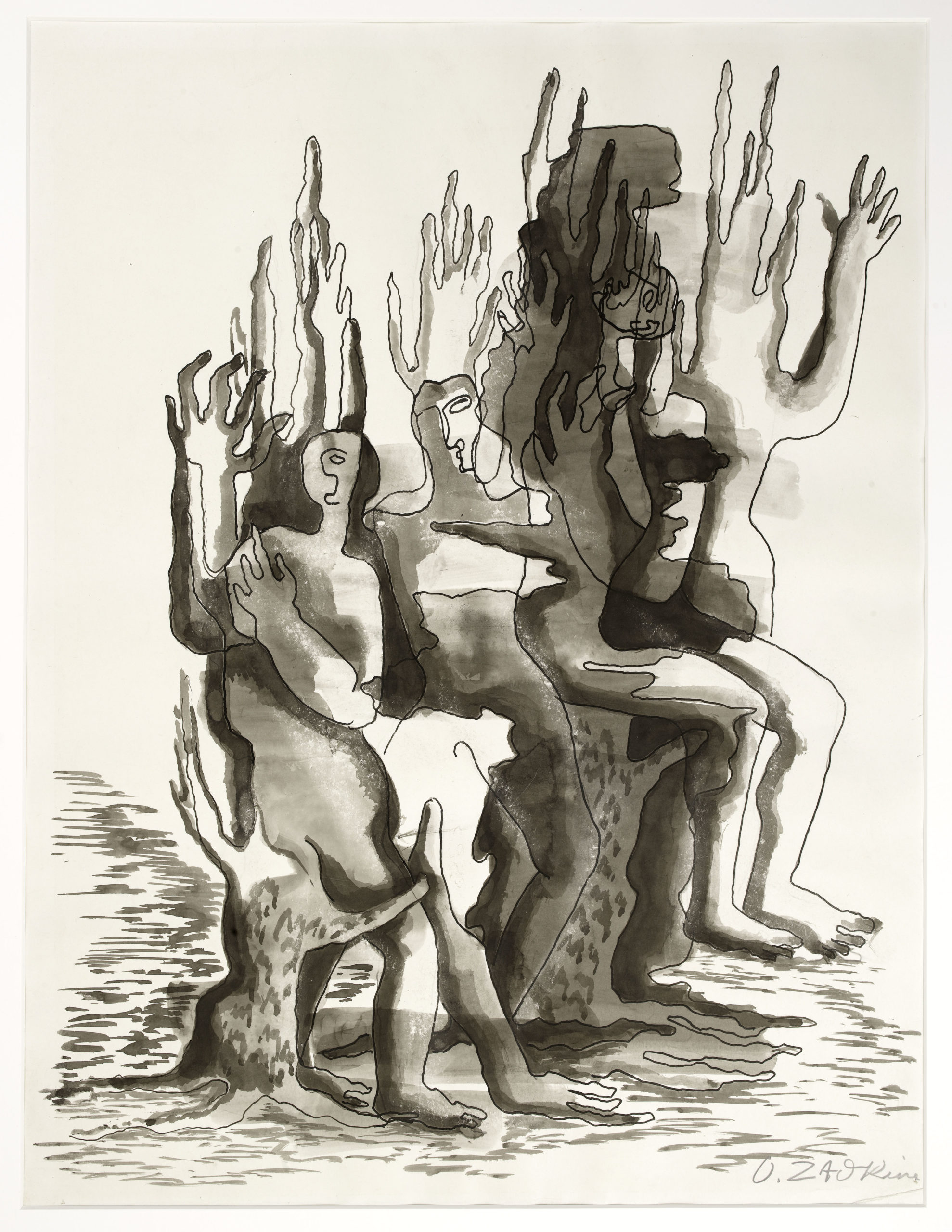
Ossip Zadkine

A life of workshops

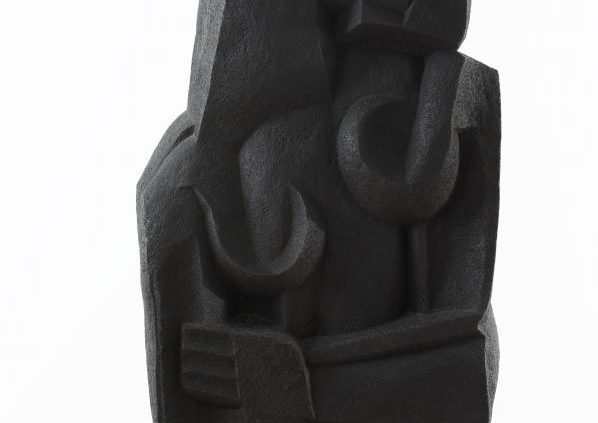
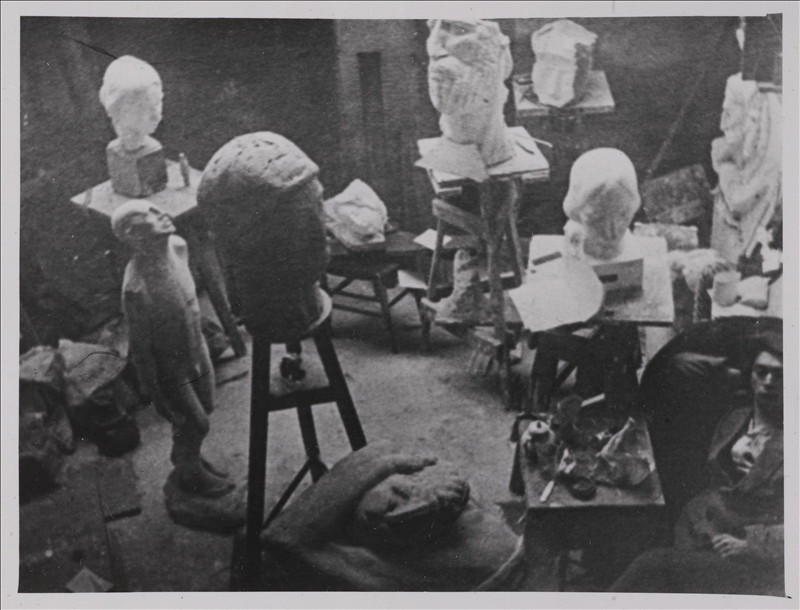
The sculptor Ossip Zadkine and the painter Valentine Prax, his wife, spent almost forty years together, from 1928 to 1967, in the house, workshops and garden on rue d’Assas. Forty years is precisely the age celebrated this year by the Zadkine museum, which opened in 1982 in this same place, thanks to the bequest of Valentine Prax.

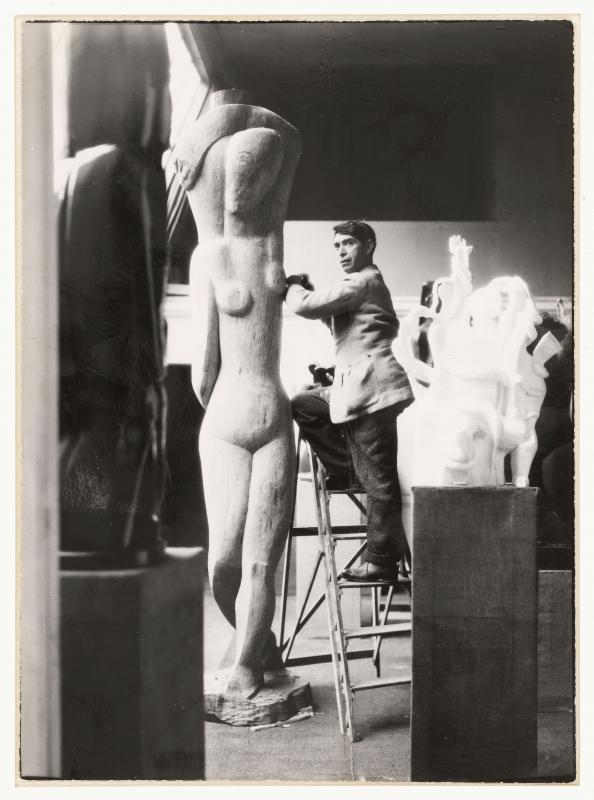
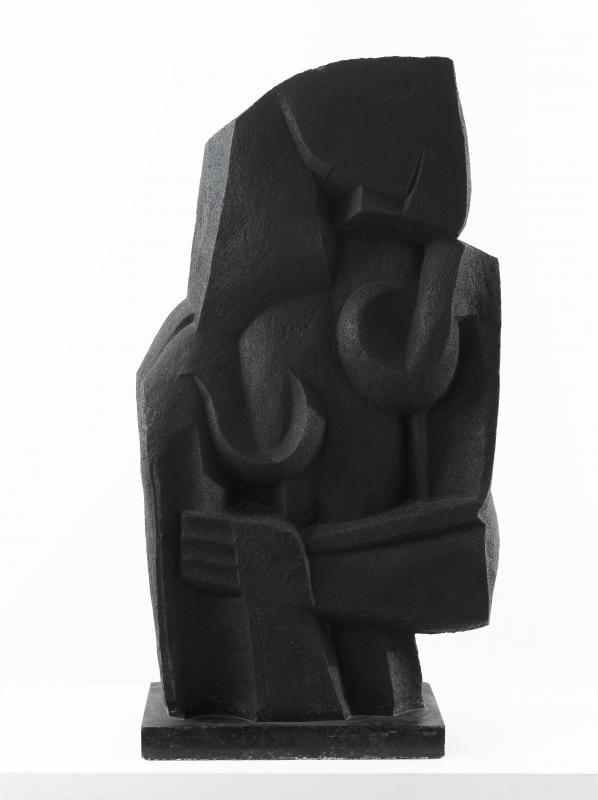
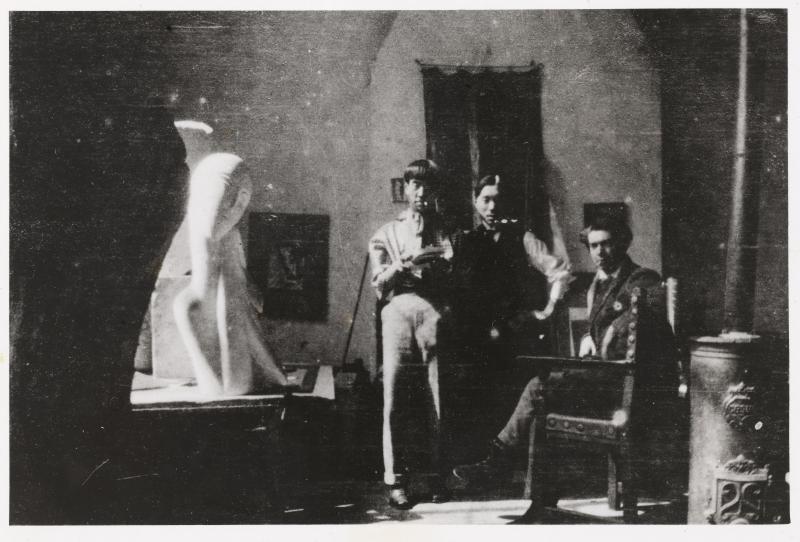
To celebrate this anniversary, the museum is presenting an exhibition that takes the visitor to the heart of the studio of the two artists, which, for forty years, was the place of life and creation of the couple of artists. Nearly a hundred works make up the route of the exhibition, which includes a fine selection of masterpieces by Zadkine, but also rarely shown paintings by Prax and numerous previously unseen photographs, some by great photographers, such as André Kertész or Marc Worth. It occupies all the rooms of the museum in a renewed scenography, which evokes “the spirit of the workshop”.

From the first studios that Zadkine filled with his sculptures upon his arrival in Paris to the studio in the garden that the sculptor had built after the war, the route of the exhibition follows a chrono-thematic principle. An introductory part recounts the first workshops in which Zadkine lived and worked, in the heart of the Montparnasse district. The second chapter is devoted to the house-workshop on rue d’Assas where he moved in 1928 with Valentine Prax, whom he married in 1920.
Both a physical place and a mental space, as much a nest, a shelter as an observation post, this foyer-studio unfolds as a habitat for the works. Scene of creation, it also serves as a framework for the memoirs of Zadkine and Prax, and a setting for the many photographs that are part of the museum’s archives today. The third and final section offers an immersion in the process of creation and the bustle of workshop life.
November 11? 2022 – April 2, 2023

MUSEE ZADKINE
100 bis rue d’Assas 75006 Paris

, ,

Les Choses

Une Histoire de la Nature Morte

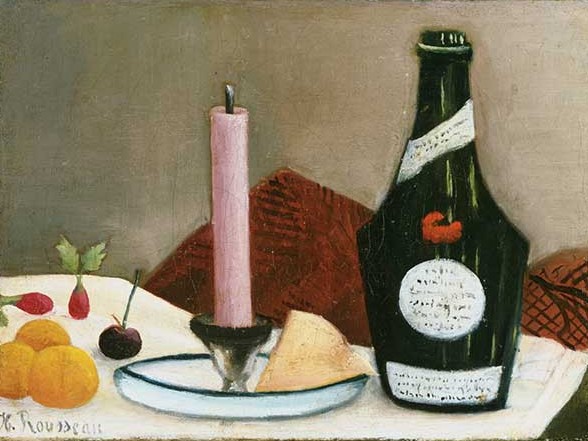
Conçue par Laurence Bertrand Dorléac, historienne de l’art, « Les Choses » est une exposition d’auteur proposant une vision nouvelle d’un genre longtemps considéré comme mineur et dont l’intitulé en français n’est pas sans poser question : la nature morte.
La représentation des choses, dont on retrouve des témoignages dès la préhistoire, permet une formidable plongée dans l’histoire. Les artistes ont, en effet, été les premiers à prendre les choses au sérieux. Ils ont reconnu leur présence, les ont rendues vivantes et intéressantes en exaltant leur forme, leur signification, leur pouvoir, leur charme. Ils ont saisi leur faculté à nous faire imaginer, croire, douter, rêver, agir.

L’exposition revisite le genre de la nature morte, dans la perspective de cet éternel dialogue entre les artistes du passé et ceux du présent. À la faveur de l’attachement que nous leur portons, c’est aussi notre relation avec les biens matériels qui est racontée. Des haches préhistoriques au ready-made de Duchamp en passant par Chardin et Manet, toute l’histoire de l’art est revisitée.

du 12 octobre 2022 au 23 janvier 2023

MUSEE du LOUVRE

,

Shocking !

The Surrealist Worlds of Elsa Schiaparelli

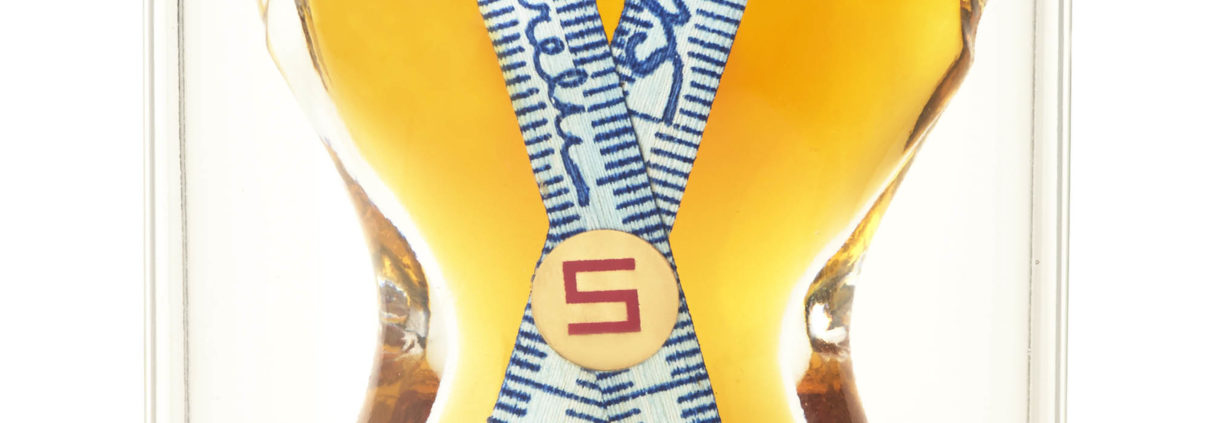
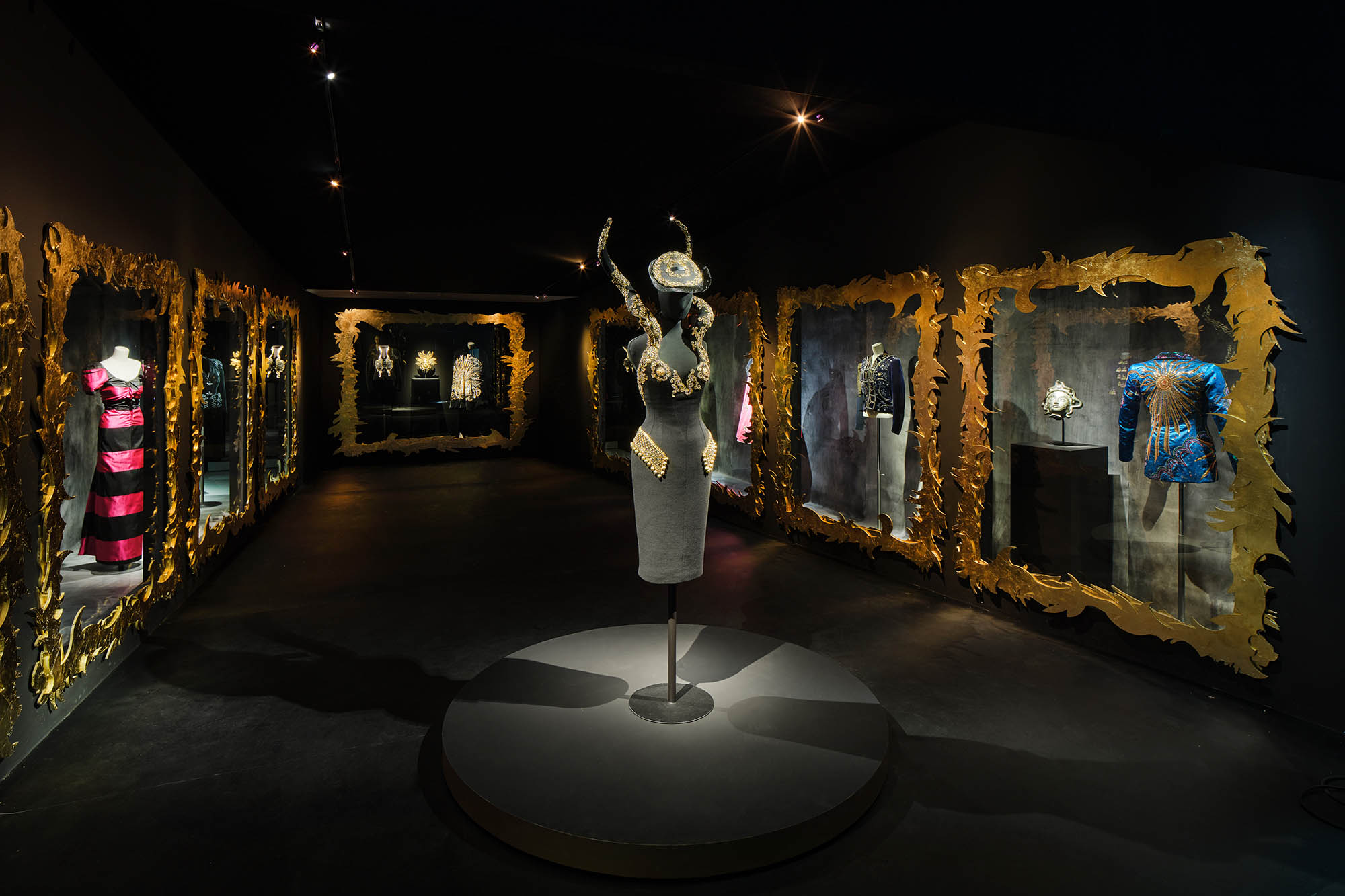
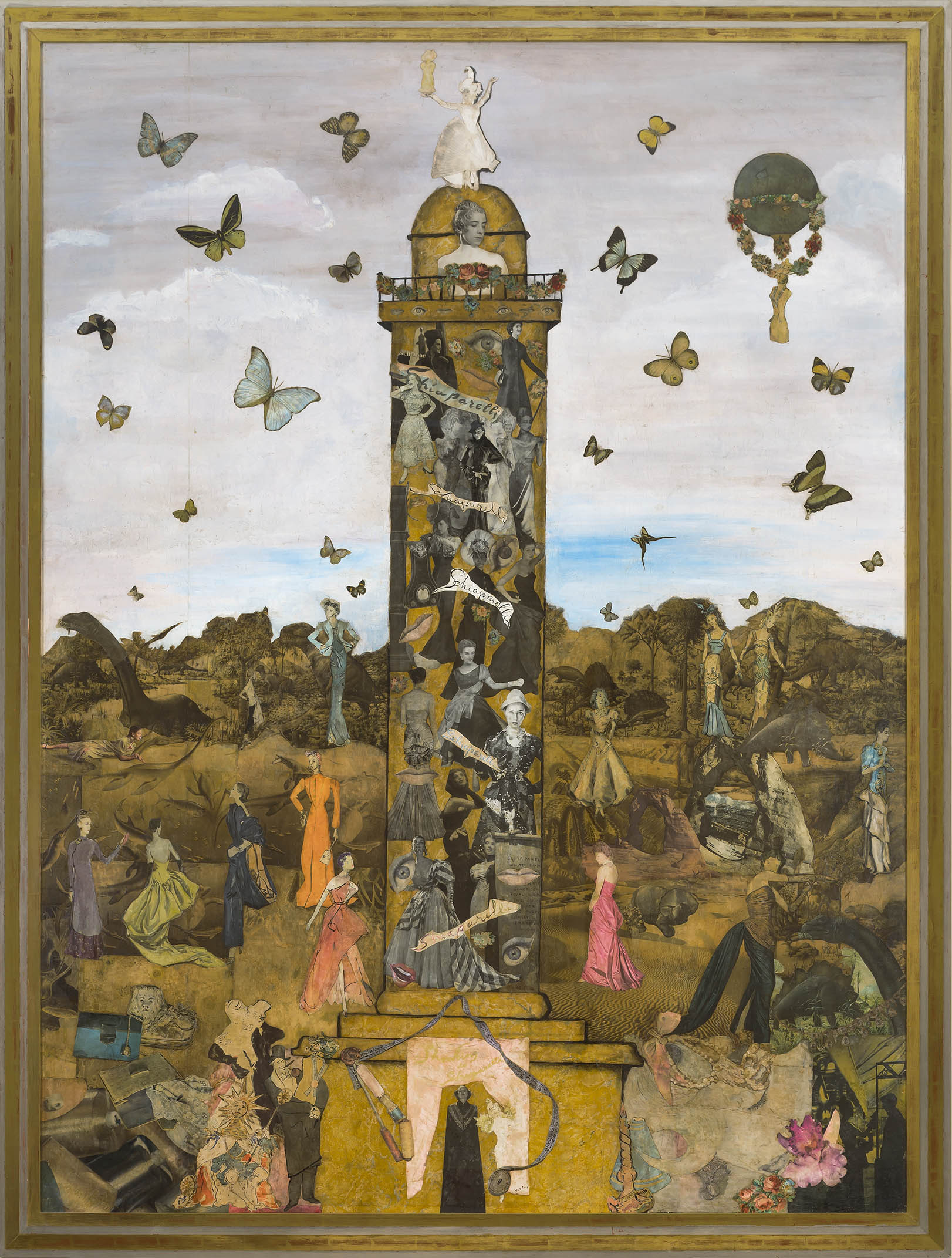
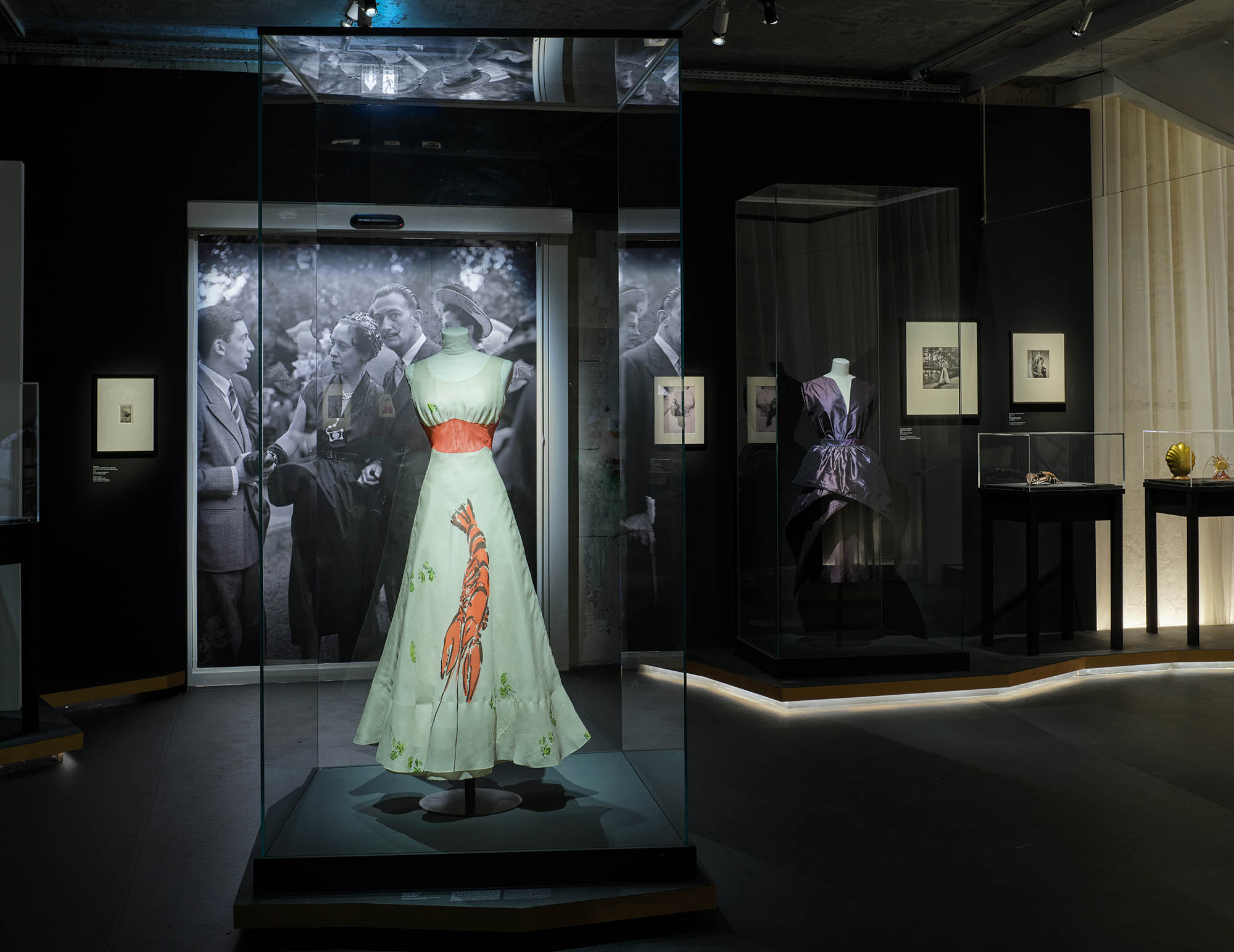
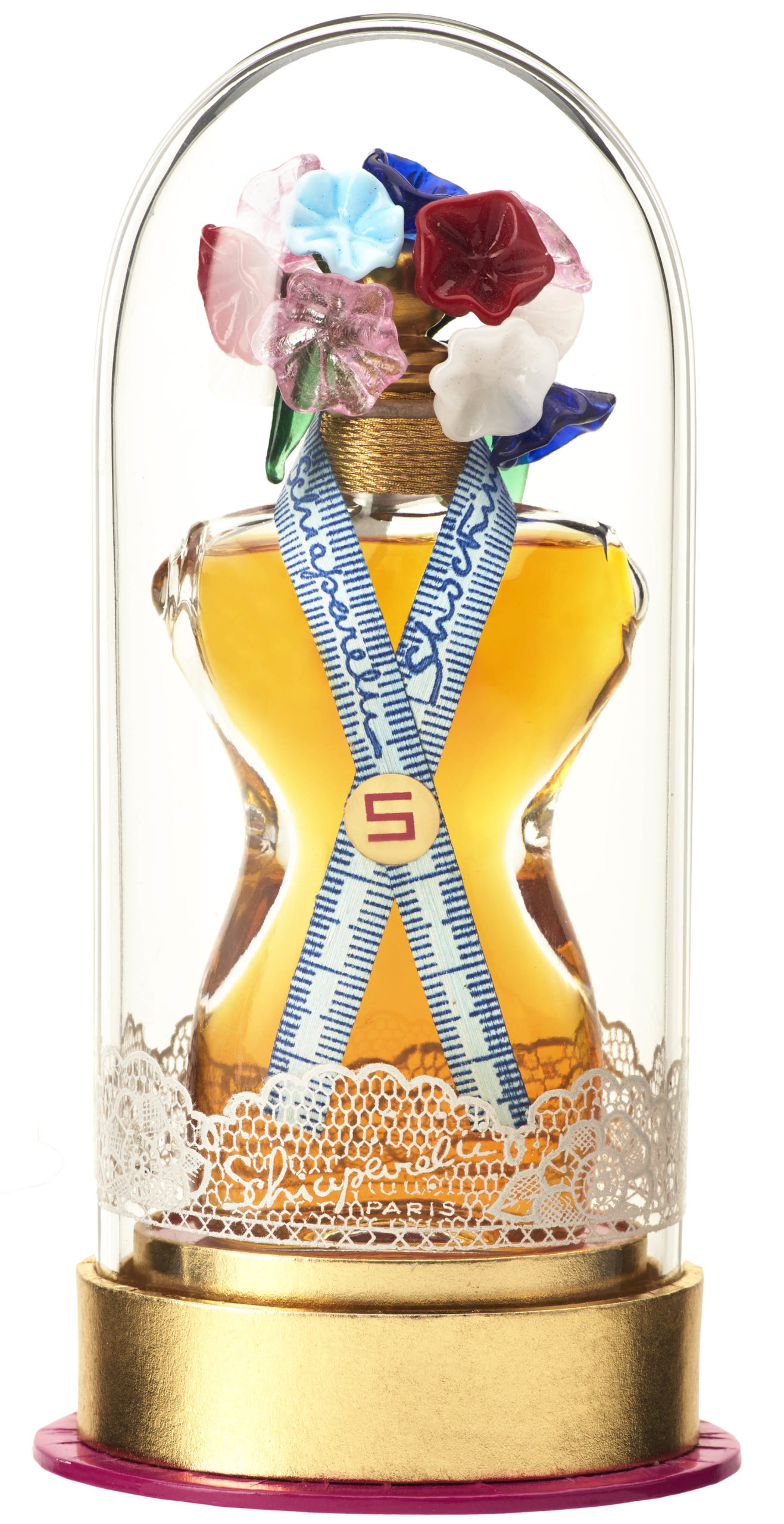
The Musée des Arts Décoratifs in Paris will celebrate the bold and exciting creations of Italian couturière Elsa Schiaparelli (b. September 10th, 1890, Rome – d. November 13th, 1973, Paris), who drew much of her inspiration from her close ties to the Parisian avant-garde of the 1920s and 1930s. Nearly 20 years since the last retrospective devoted to Schiaparelli at the Musée des Arts Décoratifs, the time has come to revisit this extraordinary designer’s work, her innovative sense of feminine style, her sophisticated, often eccentric designs, and the thrill that she brought to the world of fashion.

“Shocking ! Les mondes surréalistes d’Elsa Schiaparelli” brings together 577 works including 212 silhouettes and accessories by Schiaparelli herself, displayed alongside iconic paintings, sculptures, jewelry, perfumes, ceramics, posters, and photographs by the likes of Schiaparelli’s dear friends and contemporaries: Man Ray, Salvador Dalí, Jean Cocteau, Meret Oppenheim and Elsa Triolet. The retrospective, a highlight of the 2022/2023 Exhibition Calendar, will also showcase creations designed in honor of Schiaparelli by fashion icons including Yves Saint Laurent, Azzedine Alaïa, John Galliano and Christian Lacroix. Daniel Roseberry, artistic director of the House of Schiaparelli since 2019, also boldly interprets the heritage of Elsa Schiaparelli with a design of his own.

The poetic and immersive scenography of “Shocking ! Les mondes surréalistes d’Elsa Schiaparelli” has been entrusted to Nathalie Crinière. The exhibition will be presented in the Christine & Stephen A. Schwarzman fashion galleries of the Musée des Arts Décoratifs.

July 6, 2022 – January 22, 2023

MAD

107 rue de Rivoli 75001 Paris

Les Choses

A Story of Still Life

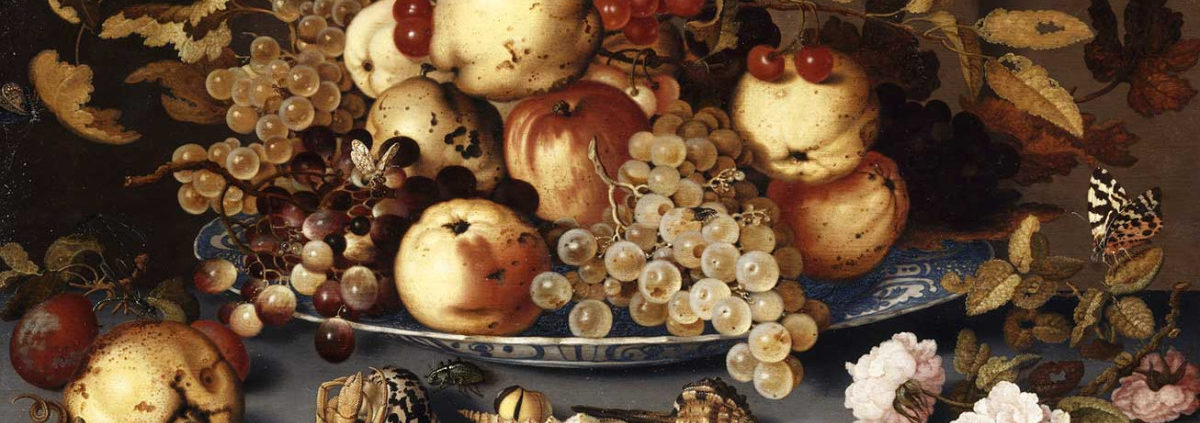
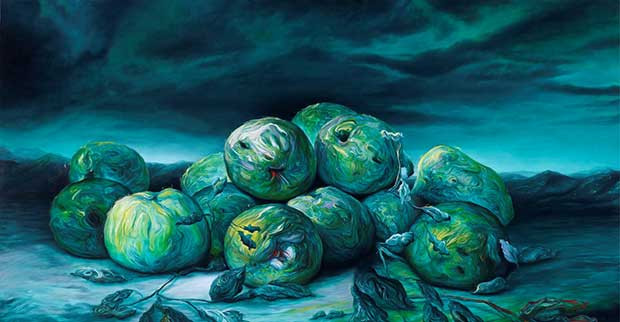
Conceived by Laurence Bertrand Dorléac, art historian, “Les Choses” is an author’s exhibition offering a new vision of a genre long considered minor and whose title in French is not without question: the still life.

The representation of things, of which we find testimonies from prehistoric times, allows a wonderful dive into history. The artists were, in fact, the first to take things seriously. They recognized their presence, made them alive and interesting by exalting their form, their meaning, their power, their charm. They have grasped their ability to make us imagine, believe, doubt, dream, act.

L’exposition revisite le genre de la nature morte, dans la perspective de cet éternel dialogue entre les artistes du passé et ceux du présent. À la faveur de l’attachement que nous leur portons, c’est aussi notre relation avec les biens matériels qui est racontée. Des haches préhistoriques au ready-made de Duchamp en passant par Chardin et Manet, toute l’histoire de l’art est revisitée.

October 12, 2022 – January 23, 2023

MUSEE du LOUVRE

Le Chic !

Decorative Arts and French Furniture from 1930 to 1960

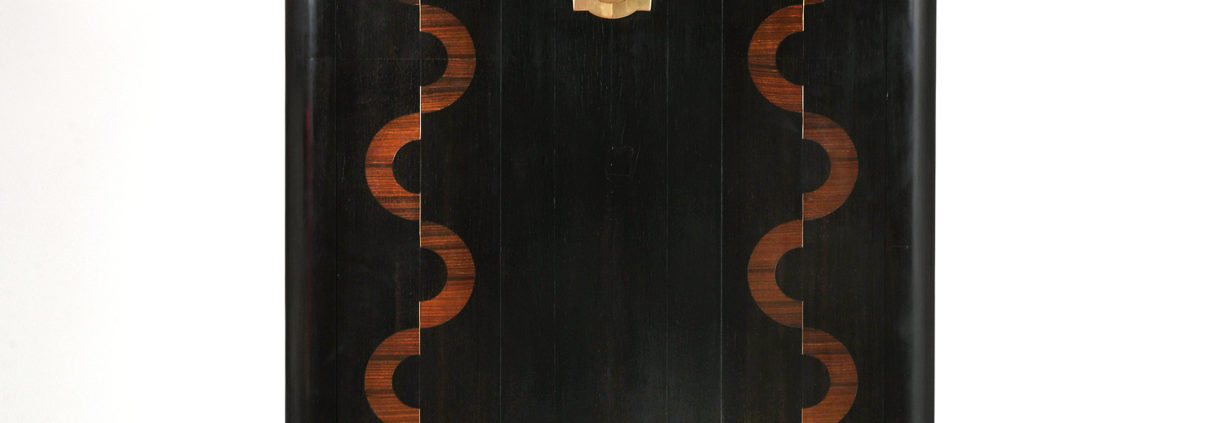
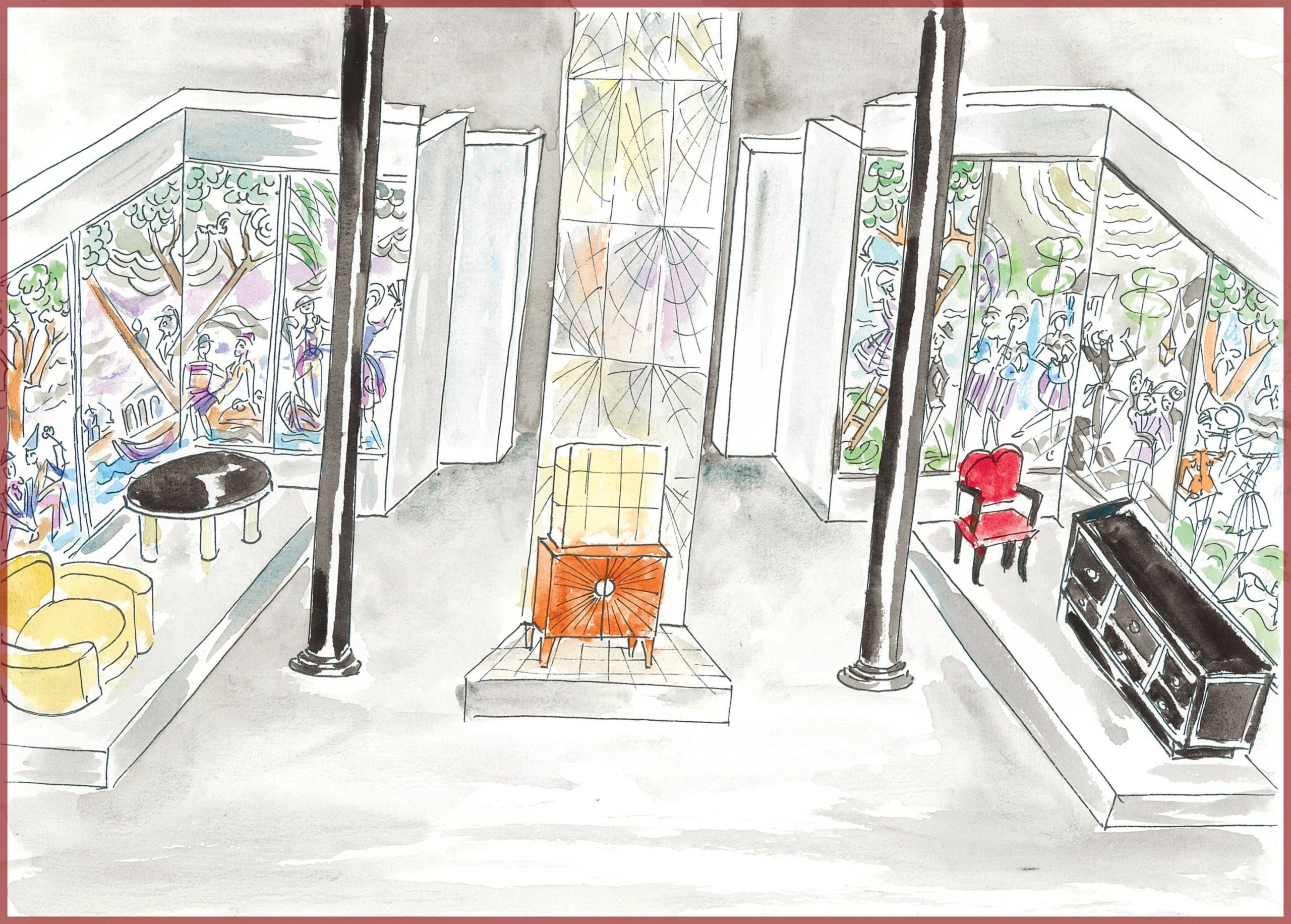
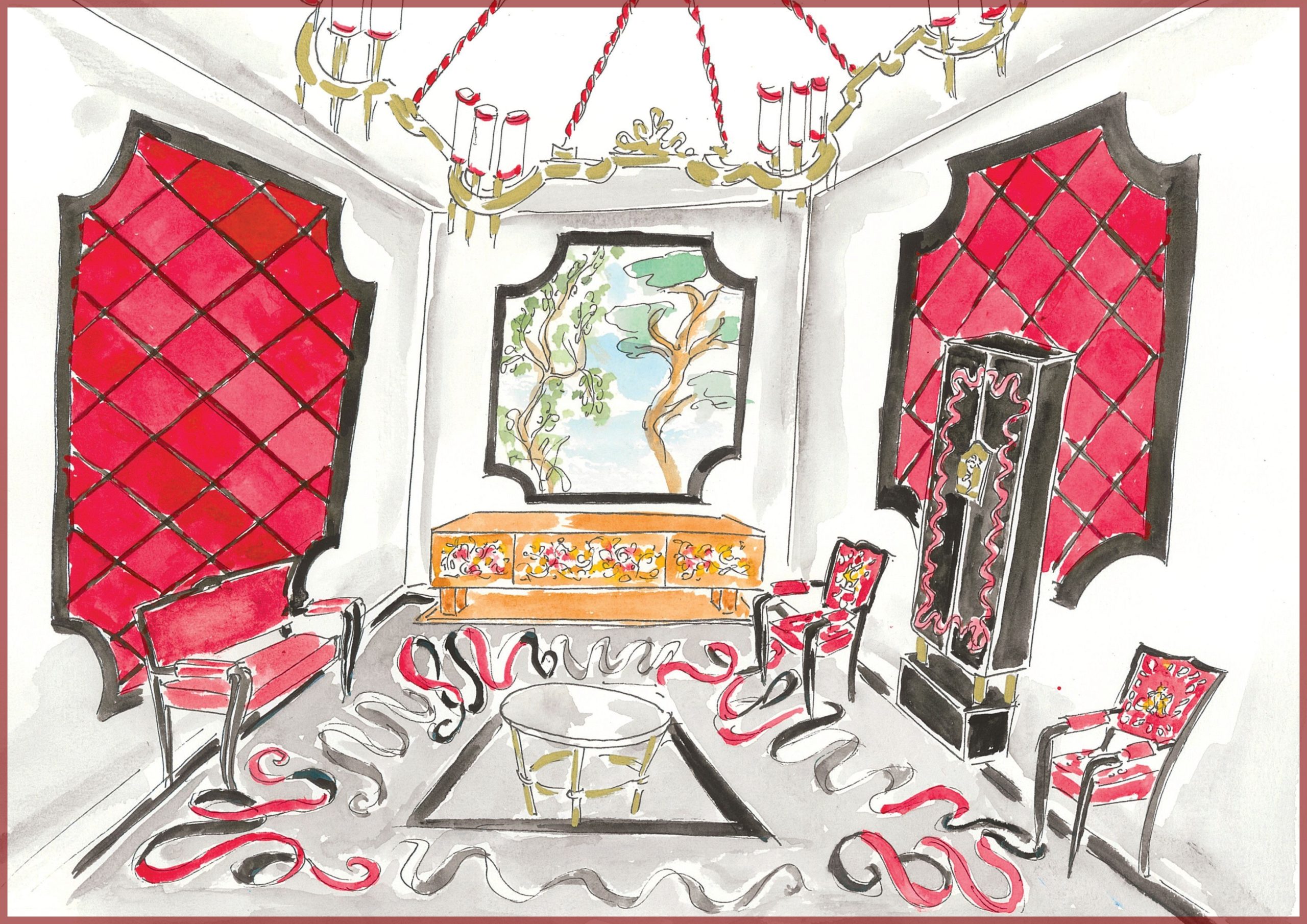
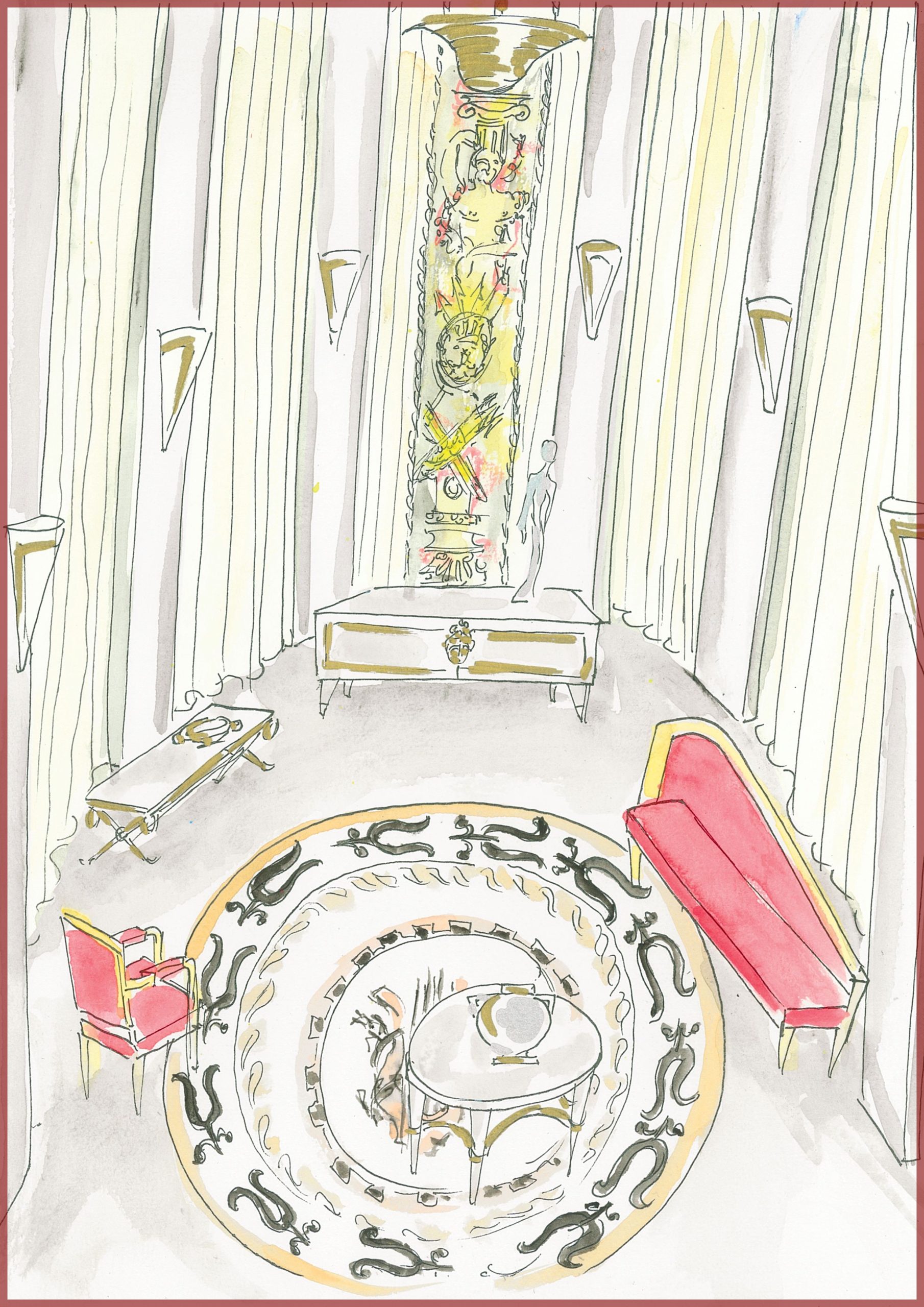
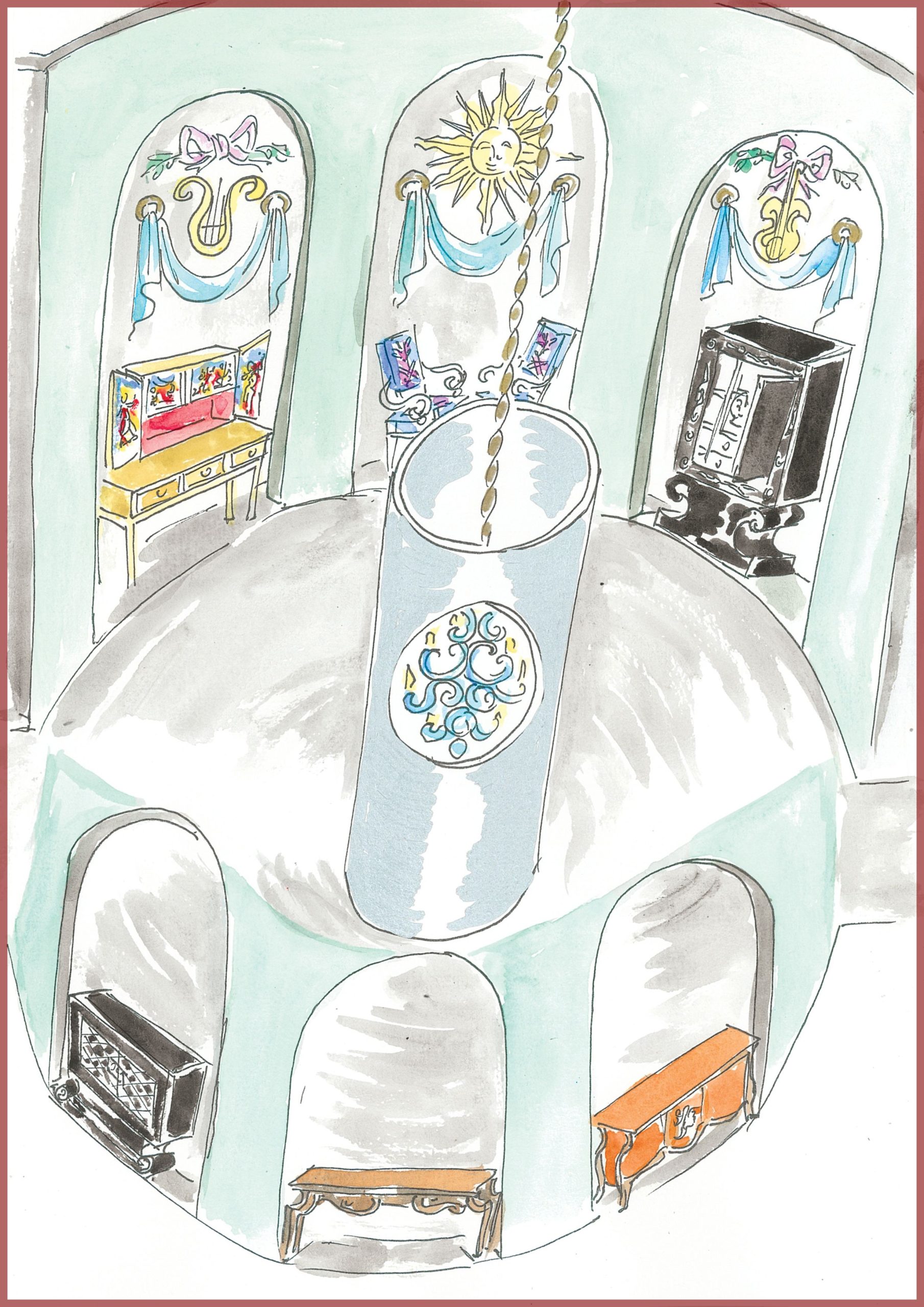
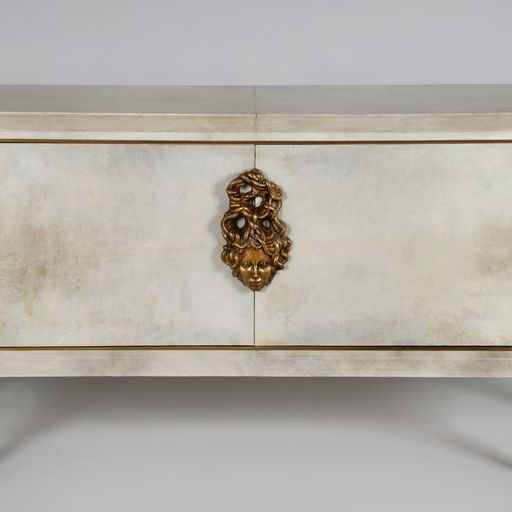
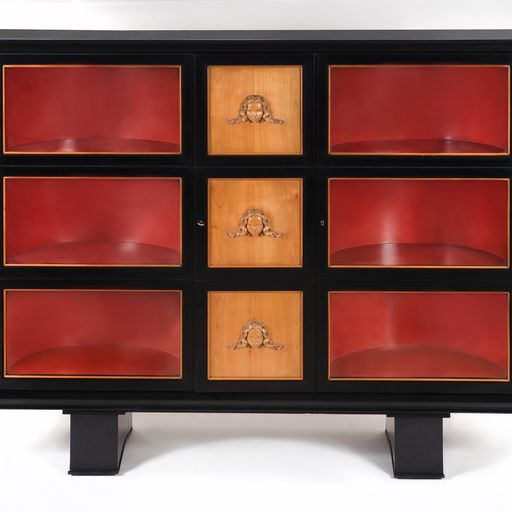
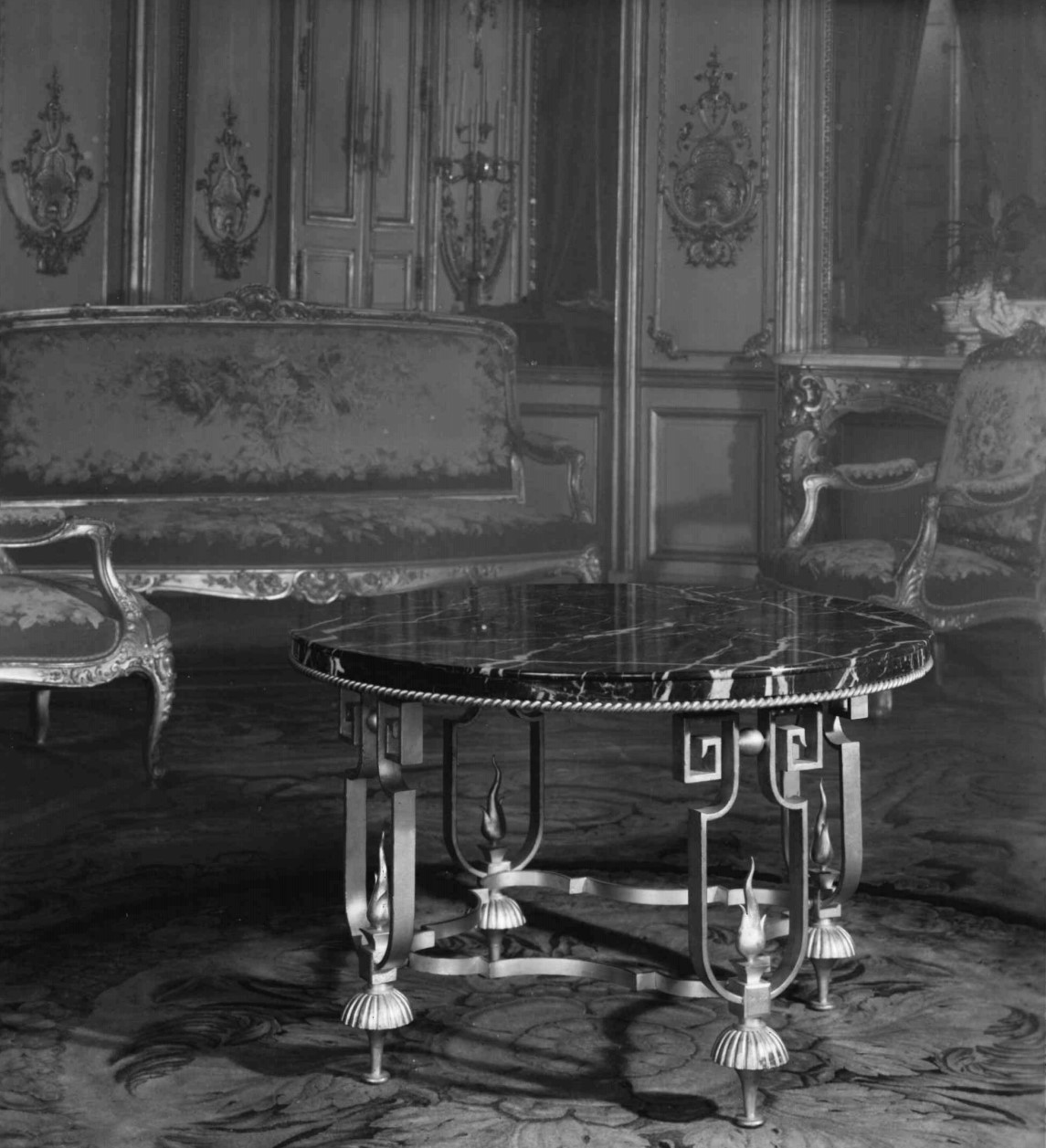
From 1930 to the end of the 1950s, most of the decorators who would make the history of these three decades of the 20th century were called upon to collaborate with the Mobilier national: André Arbus, Jules Leleu, Jean Pascaud, Etienne-Henri Martin, Marc du Plantier, Gilbert Poillerat or Raphael Raffel. The figure of the decorator then plays a capital role. A true designer, he designs decoration as a harmonious whole and orchestrates artistic crafts in the service of a global project.

. The art of refinement is then based both on the preciousness of the materials (parchment, gilded bronze, crystal, lacquer …) and on the search for the line, up to the purity of the design. Of remarkable quality and diversity, the collection of the Mobilier national is the first in France for this period. Witness to Art Deco and research in the field of decorative arts during the 1940s and 1950s, this set includes both ceremonial furniture, heirs to a long tradition of luxury, and functionalist pieces that mark the transition towards contemporary design. Nearly 200 works that revive the essence of French “Chic”, revealing new collections, icons of modernity

An exhibition which is also an opportunity to highlight the know-how of some fifty craftsmen and masters of art who contributed to the restoration of the exhibits, thus revealing these sets in a new light. The art of upholsterers, beavers, upholsterers, trimmers, seat carpenters and cabinetmakers will thus be illustrated through the restoration of remarkable furniture from the collections.

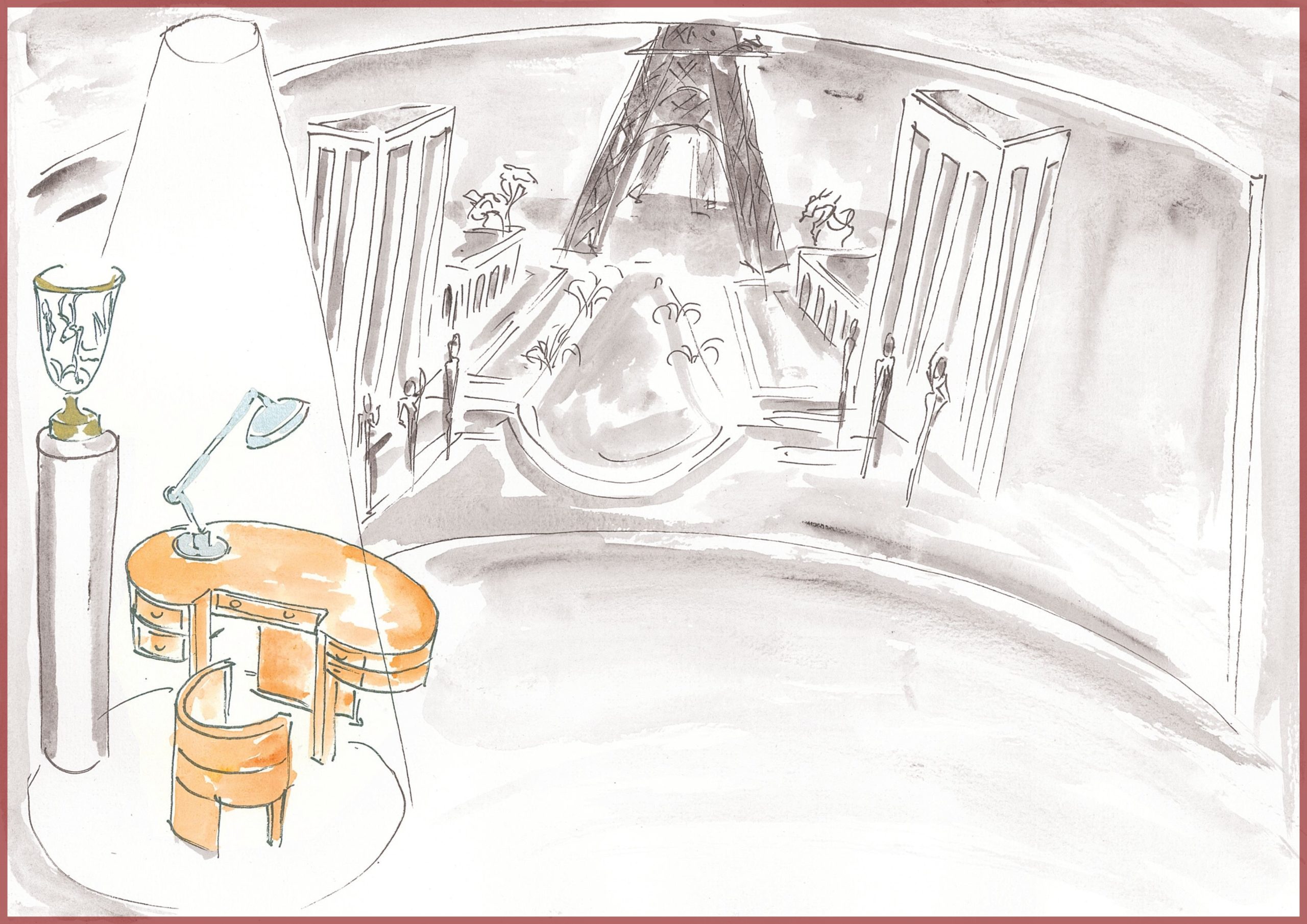
Through the scenography designed by Vincent Darré, the exhibition allows visitors to follow the development of the decorative arts over a very abundant period: the entry of art deco into the palaces of the Republic. Around 1935, the Mobilier national will acquire furniture of a new chic with simplified, more geometric shapes, stricter lines and even more sober decorations honoring both local and tropical wood species.

State orders are also an opportunity for decorators to design luxurious furniture that uses noble materials such as lacquer, shagreen or parchment. The gilded bronzes serving as ornaments regain a prominent place in the design of the decorations.

 The emblematic places will benefit from major decorative projects, highlighting French know-how, conducive to the influence of the modernity of the country. In 1937, the seventh and last major Parisian exhibition bringing together forty-four nations was the opportunity for France to boast of the excellence of French fine arts but also to support its luxury industry by promoting, among other things, high -couture, jewelery and the art of decorators which occupy a predominant place. Present in several pavilions, the decorators worked together to illustrate both their own style and the aesthetic considerations of their time.

At the end of the war, several decorative artists were called upon to work on major construction sites. Initially, it was the Kinsky Hotel, rue Saint-Dominique, which was fitted out to accommodate the Directorate General of Arts and Letters, equivalent in our time to the Ministry of Culture. The Château de Rambouillet will also be the subject of a major restoration project. André Arbus will in particular orchestrate the decoration as a coherent whole where each object responds and complements each other in perfect harmony.

In 1947, the arrival of Vincent Auriol, a lover of art and contemporary decoration, as President of the Republic, marked a new page in the aesthetic history of the Elysée. After the domination of decorators in the 1940s, the 1950s saw the rise of resolutely autonomous and reusable works whatever the place or the circumstances. For a few more years, more traditional and luxurious creations will rub shoulders with the rise in power of furniture purchases favoring greater simplicity of line and materials. If the sets are not totally abandoned, they adapt to changes in lifestyles.

October 12, 2022 – January 29, 2023  

MOBILIER NATIONAL

1 rue Berbier du Mets 75013 Paris

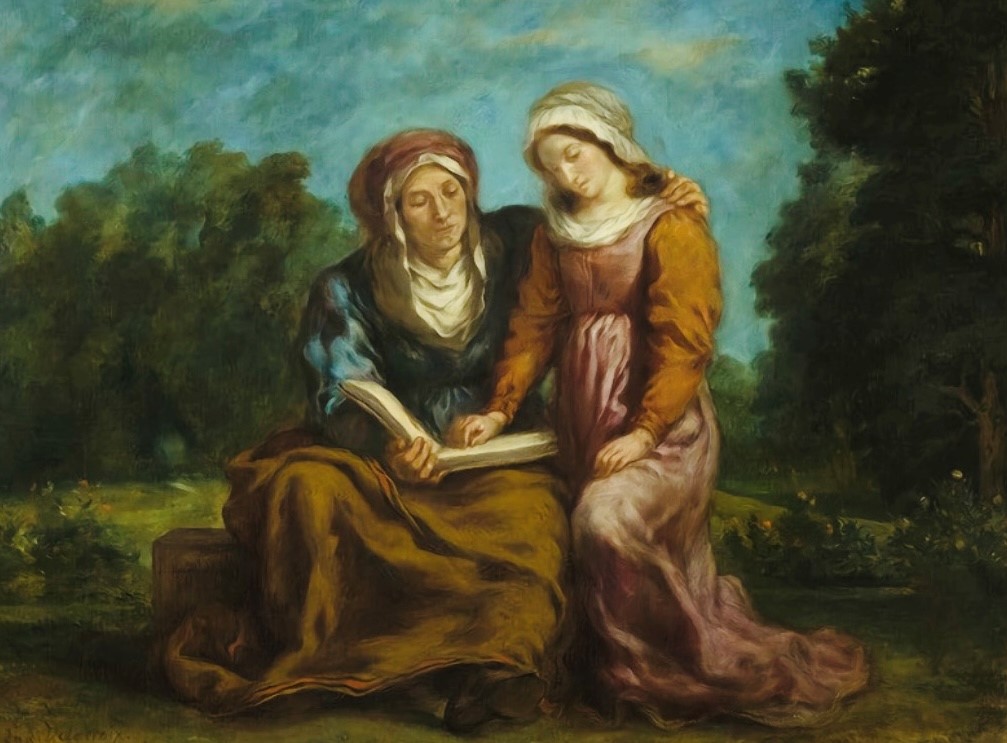
Delacroix and Color

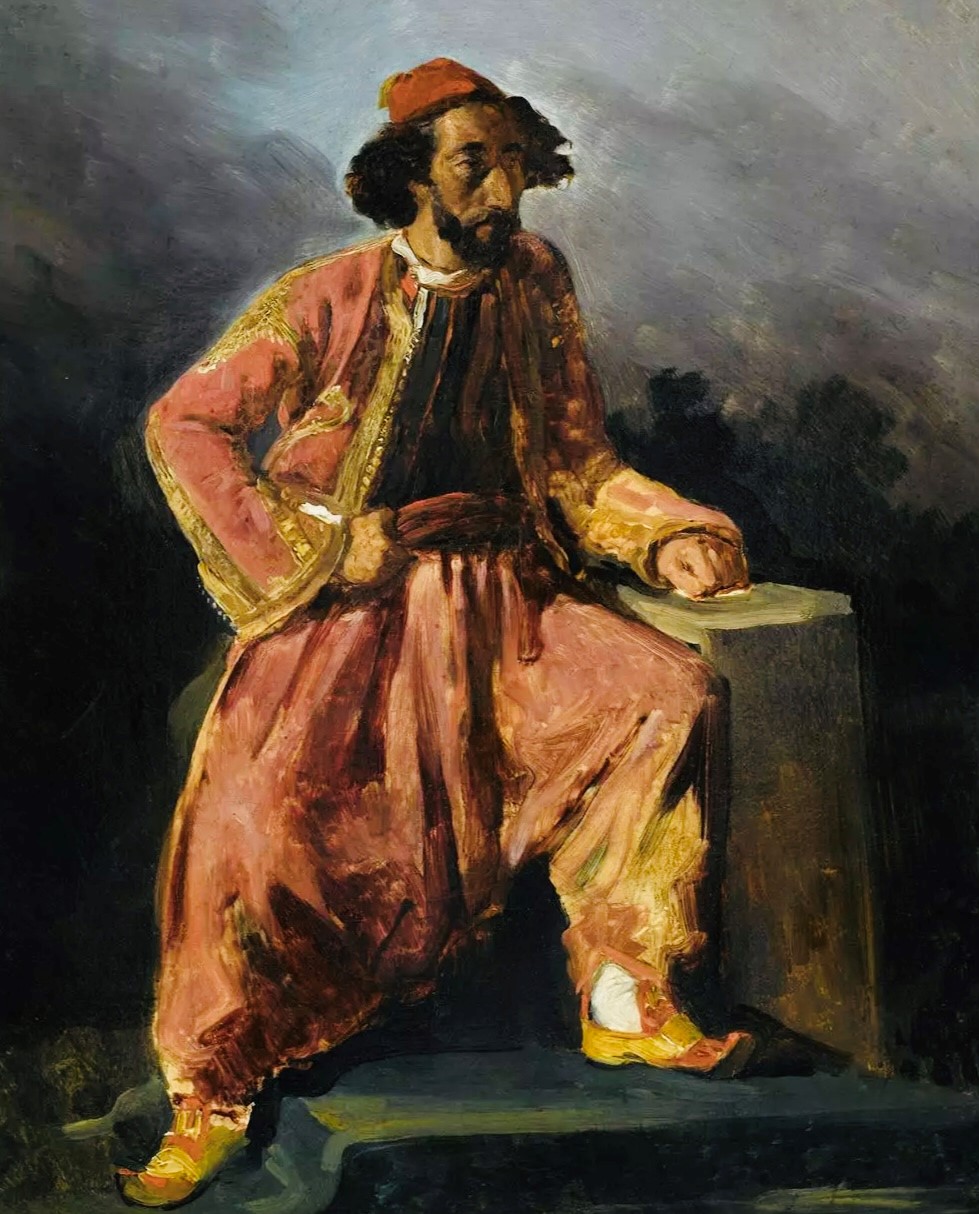
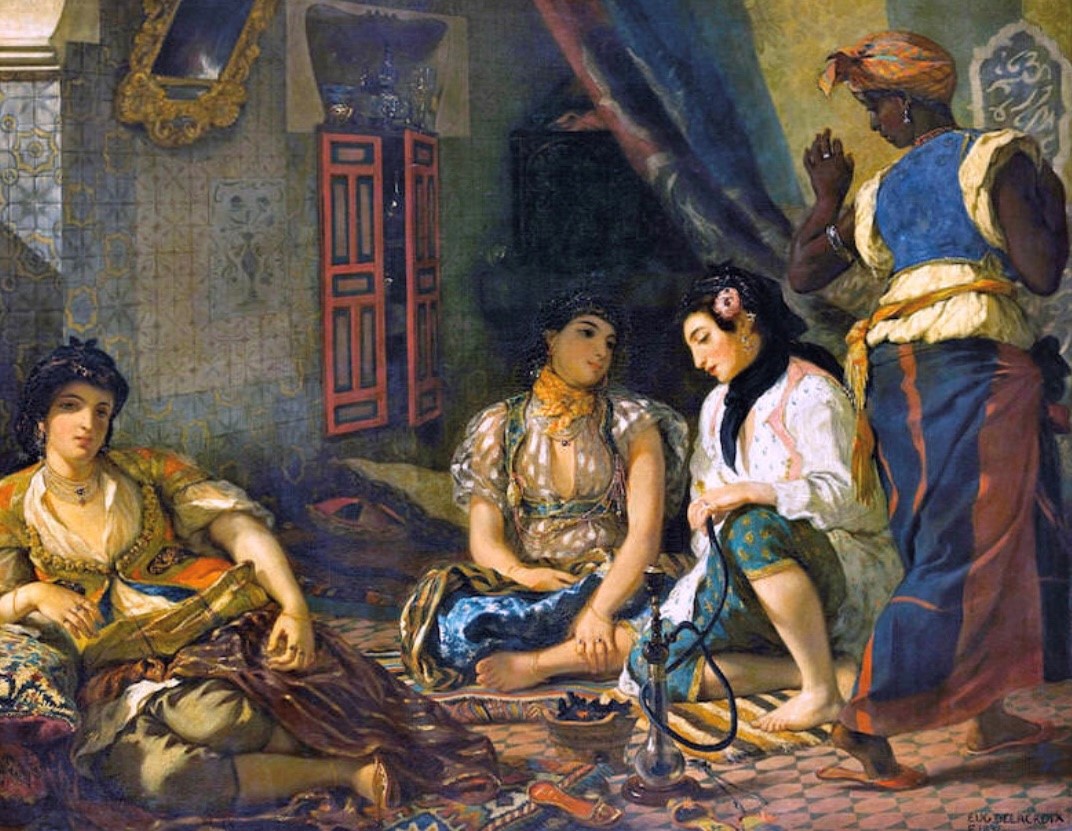
Eugène Delacroix defined himself as a colorist: the work of colors, their infinite nuances, their meanings held no secrets for this artist. The pigments allowed him to bring his work to life, and represented different periods of his career. From burning reds to deep blues, passing through greens, yellows, ochres and soft pinks: Eugène Delacroix’s palette contains all the most beautiful colors, to represent a rich, vibrant, joyful world.

From his trip to Morocco in 1832 he brought back objects with shimmering colors but also sources of inspiration for an entire career. The Orient is synonymous for him with shimmering colors, warm palettes and busy paintings, filled with thousands of colors, textures, details.

At the heart of Delacroix’s studio, the painter’s palette is honored through a selection of works brought together for a tribute to color and its thousand shades. The canvases vibrate thanks to juxtaposed shades, in shades or posed by small lively touches… The painter’s works thus make the last place of creation of the painter shine with a whirlwind of colors.

But, a great colorist, Delacroix also mastered black and white. He practiced engraving as a mode of creation and dissemination of his work at a time when painters were rarely engravers. In his lithographs, black and white mingle through a set of nervous lines, hatching and dots bringing the works to life.

July 13 – December 31, 2022

Musée Eugène Delacroix

6 rue de Furstemberg 75006 Paris

, ,

Années 80

Fashion, Design, Graphics in France

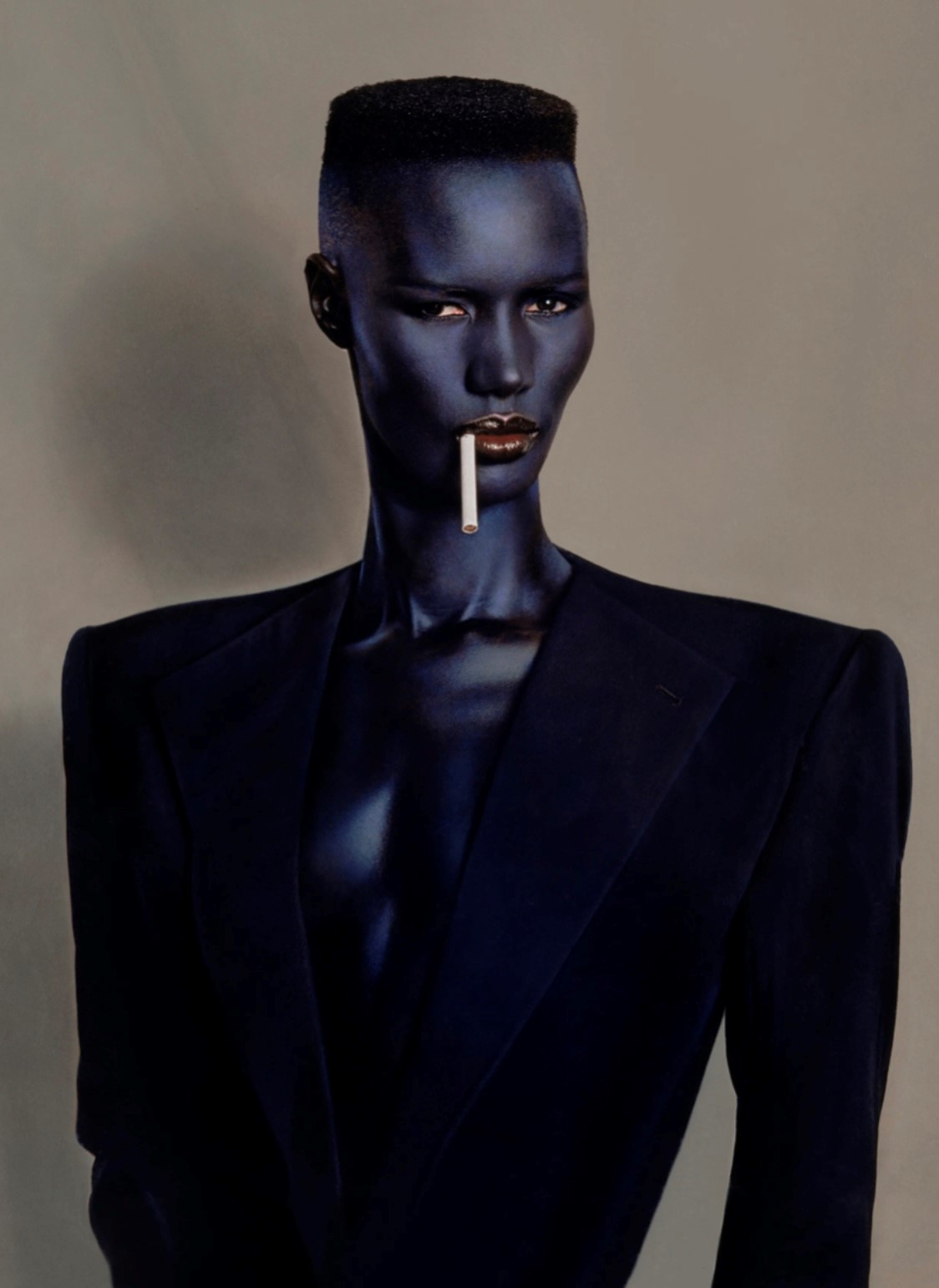
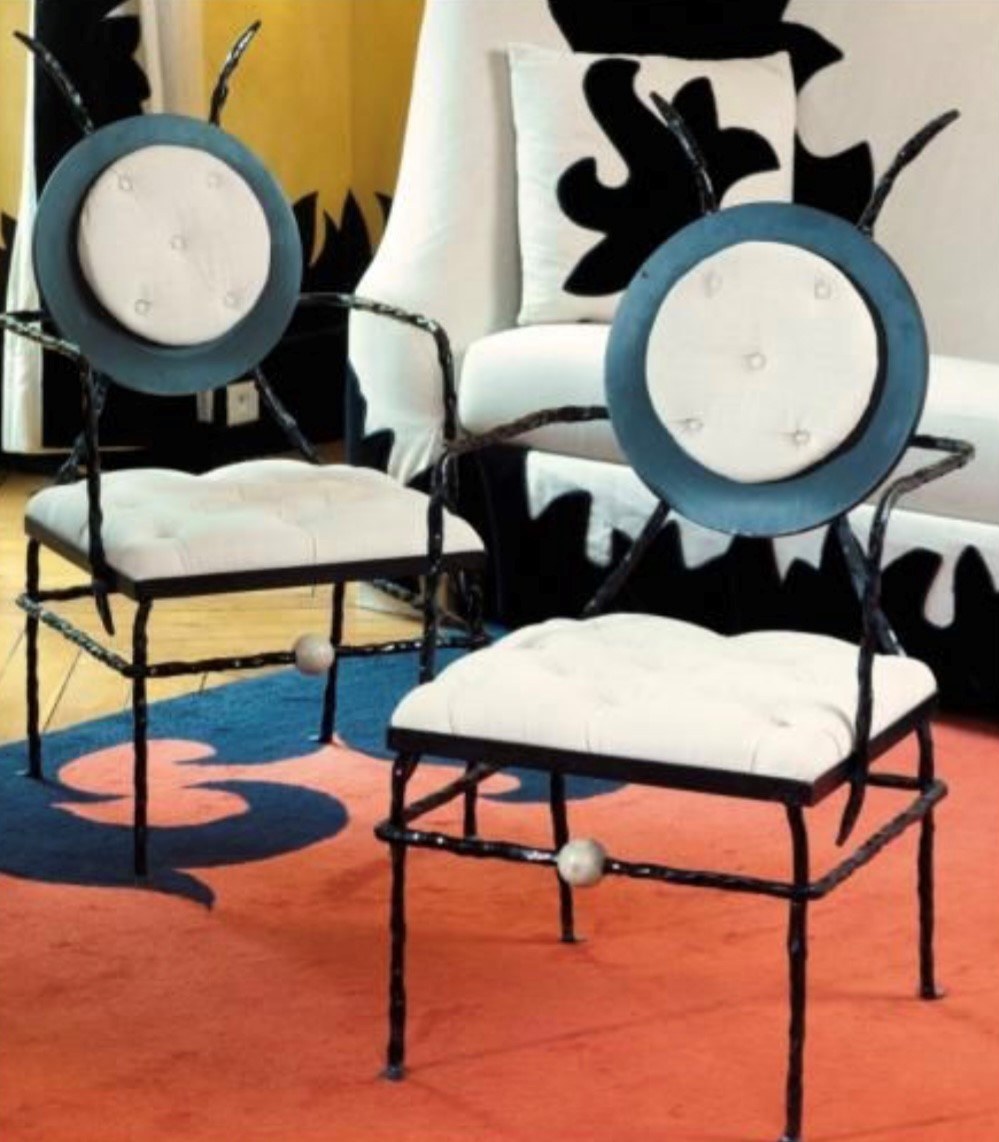
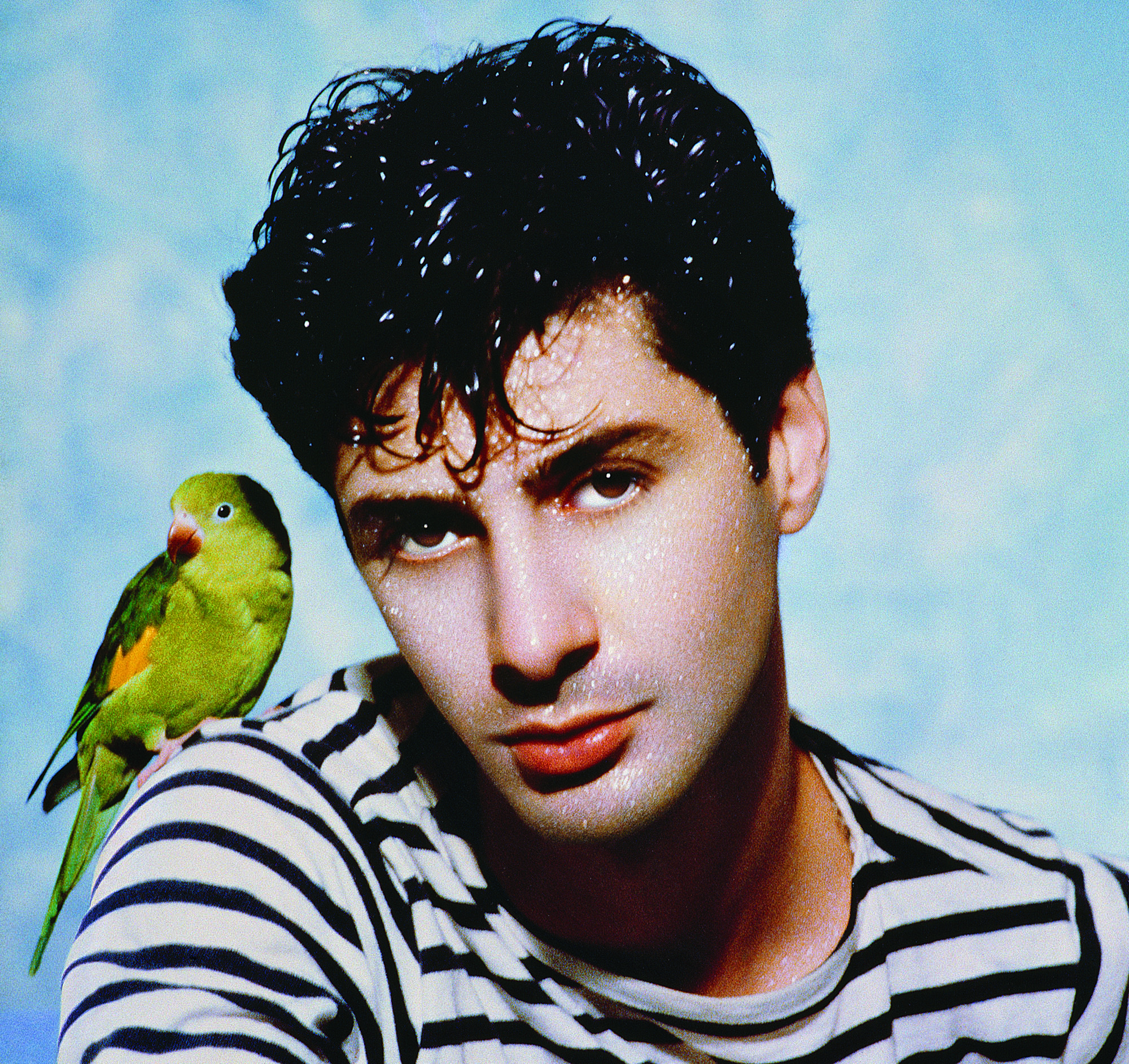
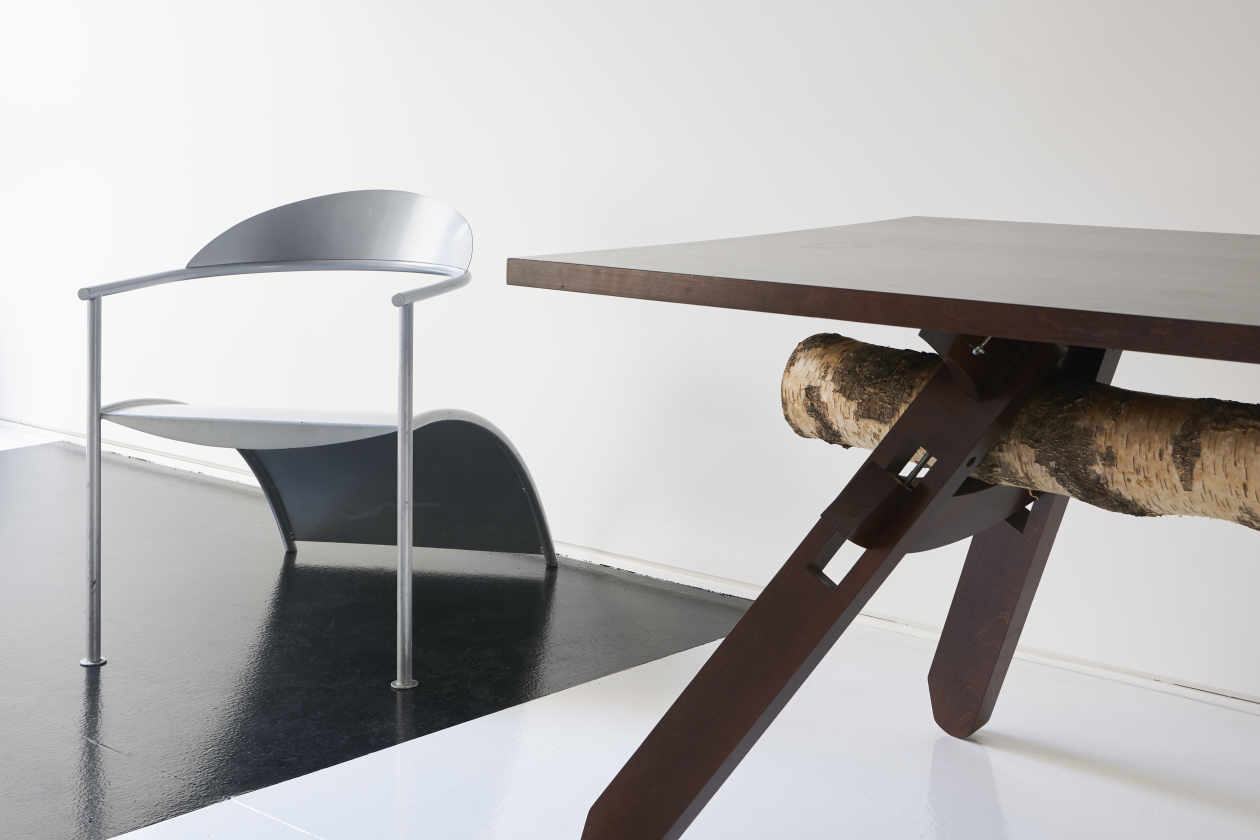
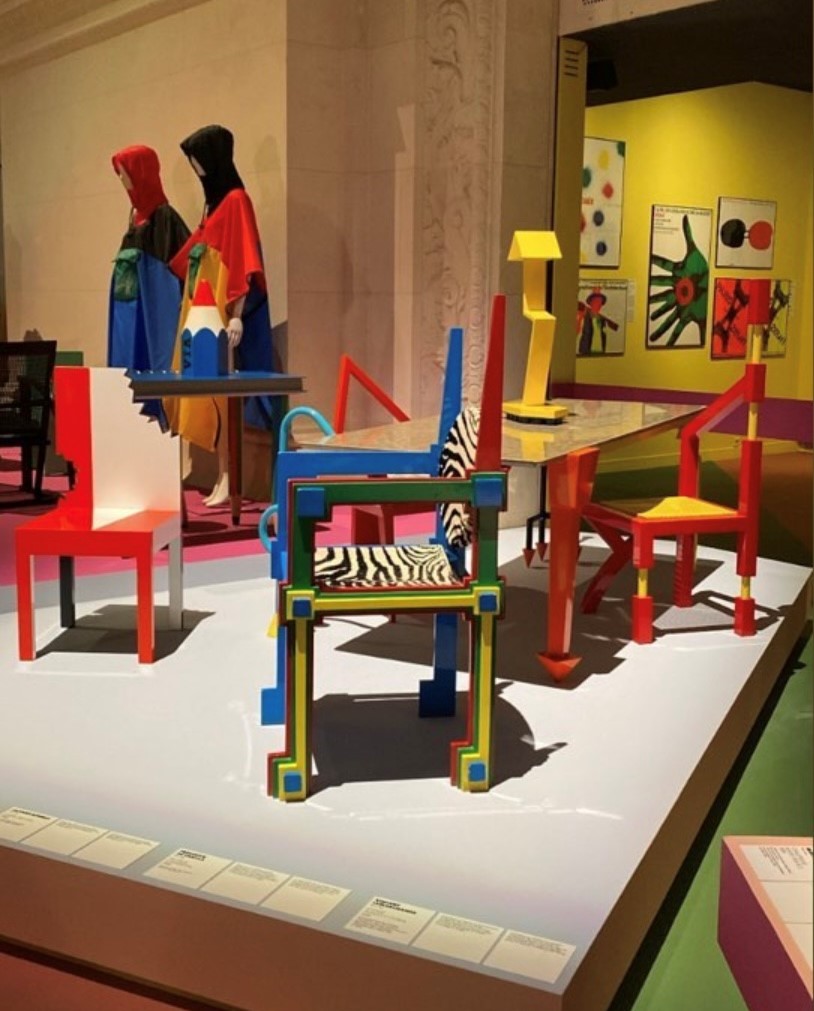
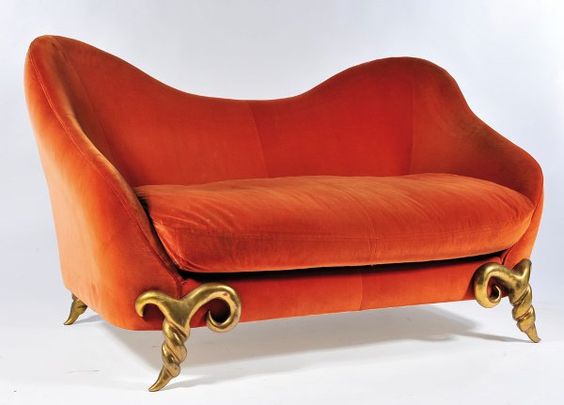
A historic decade that resonates in France as a political and artistic turning point in the fields of fashion, design and graphic design, from the election of François Mitterrand in 1981 until the fall of the Berlin Wall in 1989. The 1980s saw the birth of a new generation of designers – Olivier Gagnère, Elizabeth Garouste and Mattia Bonetti, Philippe Starck, Martin Szekely… – in a context conducive to freedom of expression.

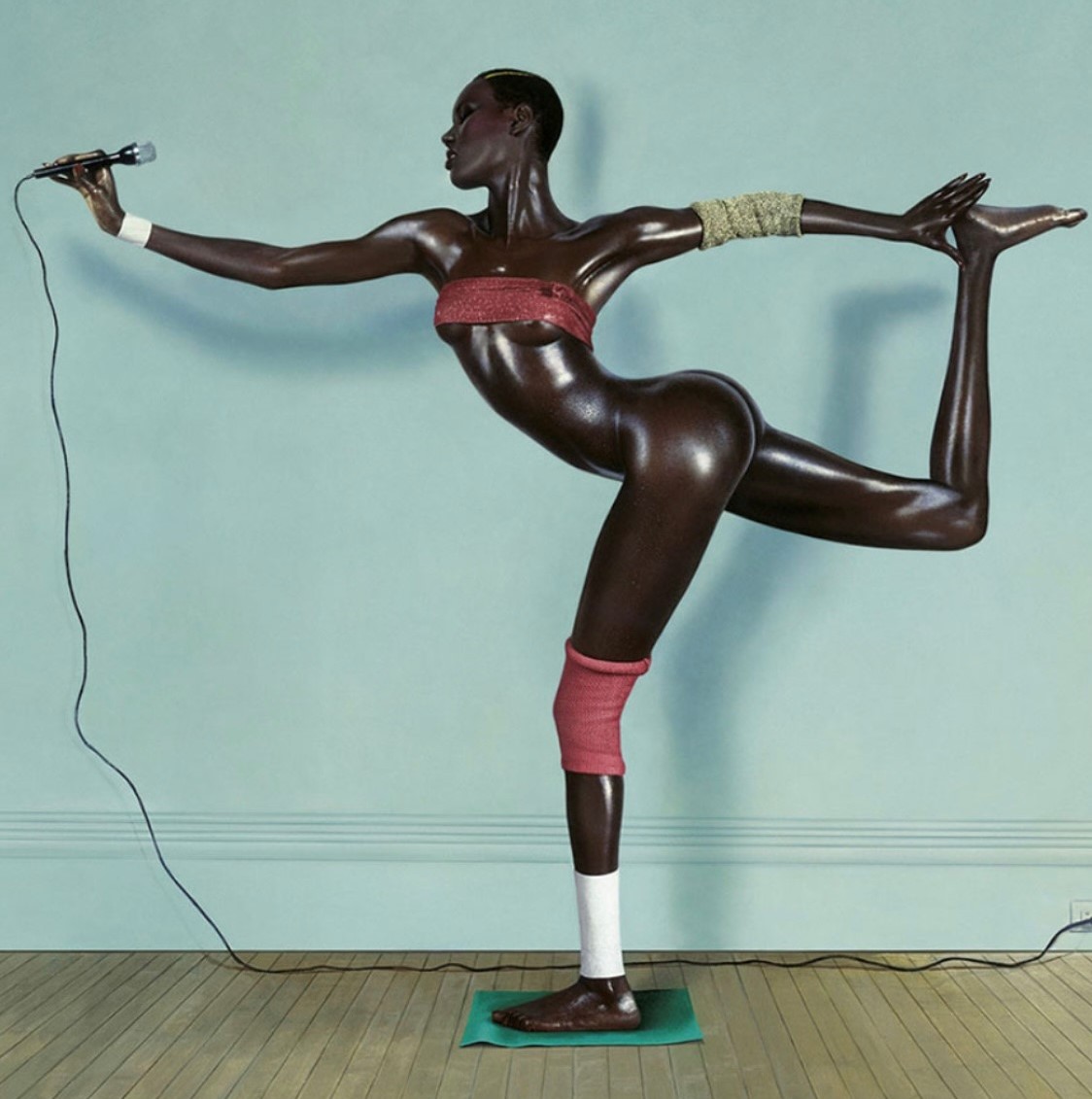
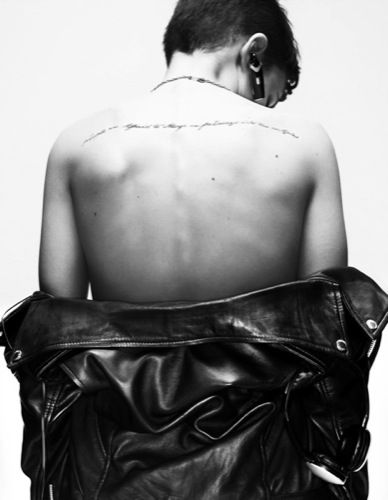
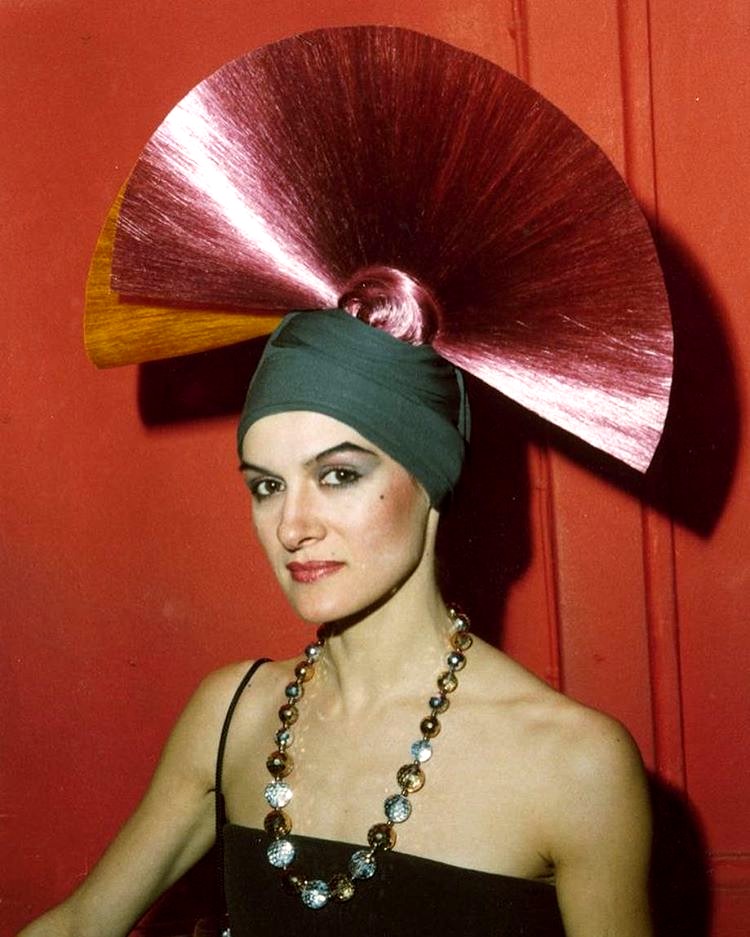
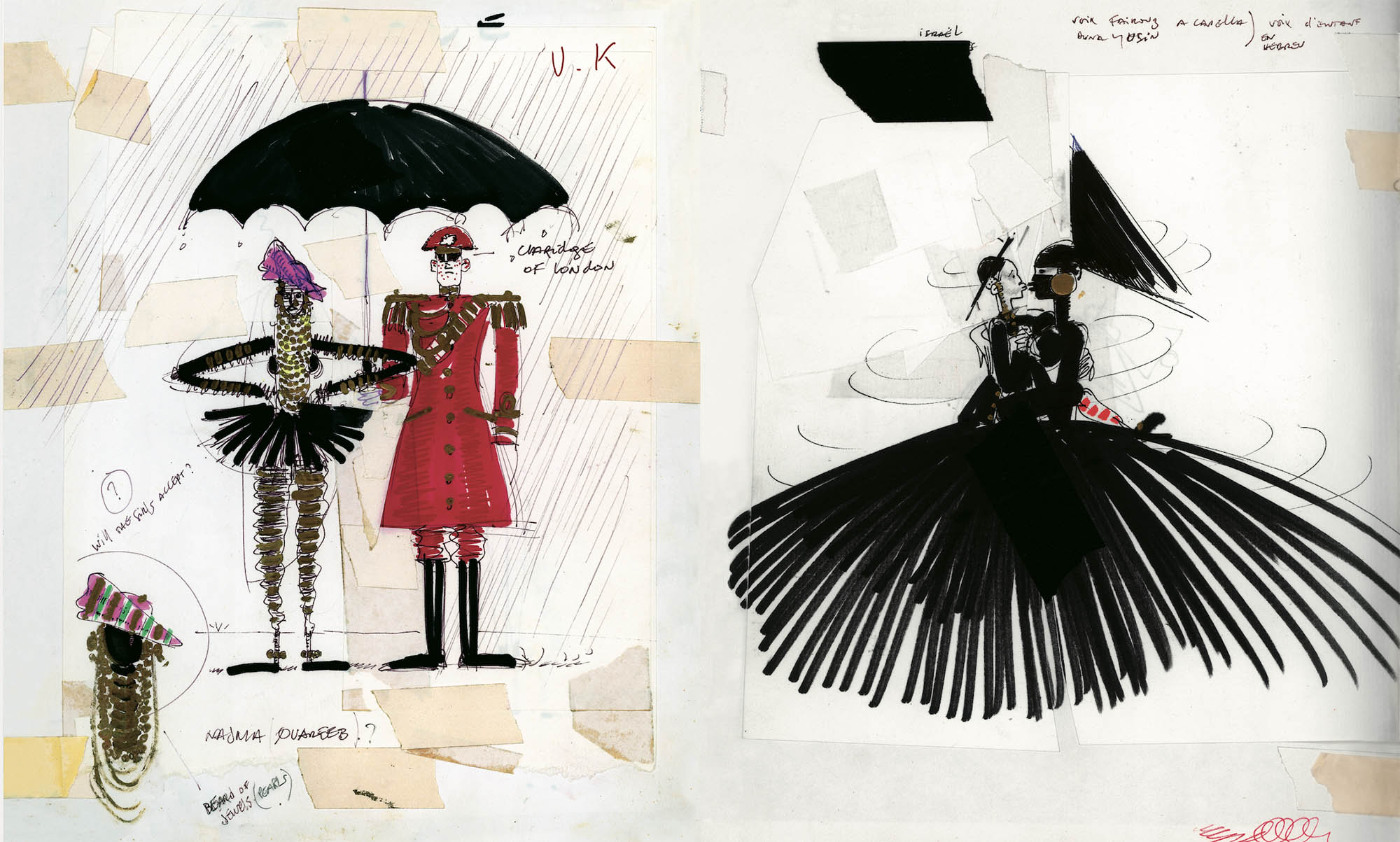
The silhouette, too, is freed from style injunctions and some fashion designers are elevated to the rank of “superstars” such as Jean Paul Gaultier or Thierry Mugler. Advertising, graphic design and audiovisual experience their boom years with Jean-Paul Goude, Jean-Baptiste Mondino and Étienne Robial. From new wave music to post-punk via hip-hop: it’s a whole history of the party that is written in mythical places frequented by night owls from all over Paris.

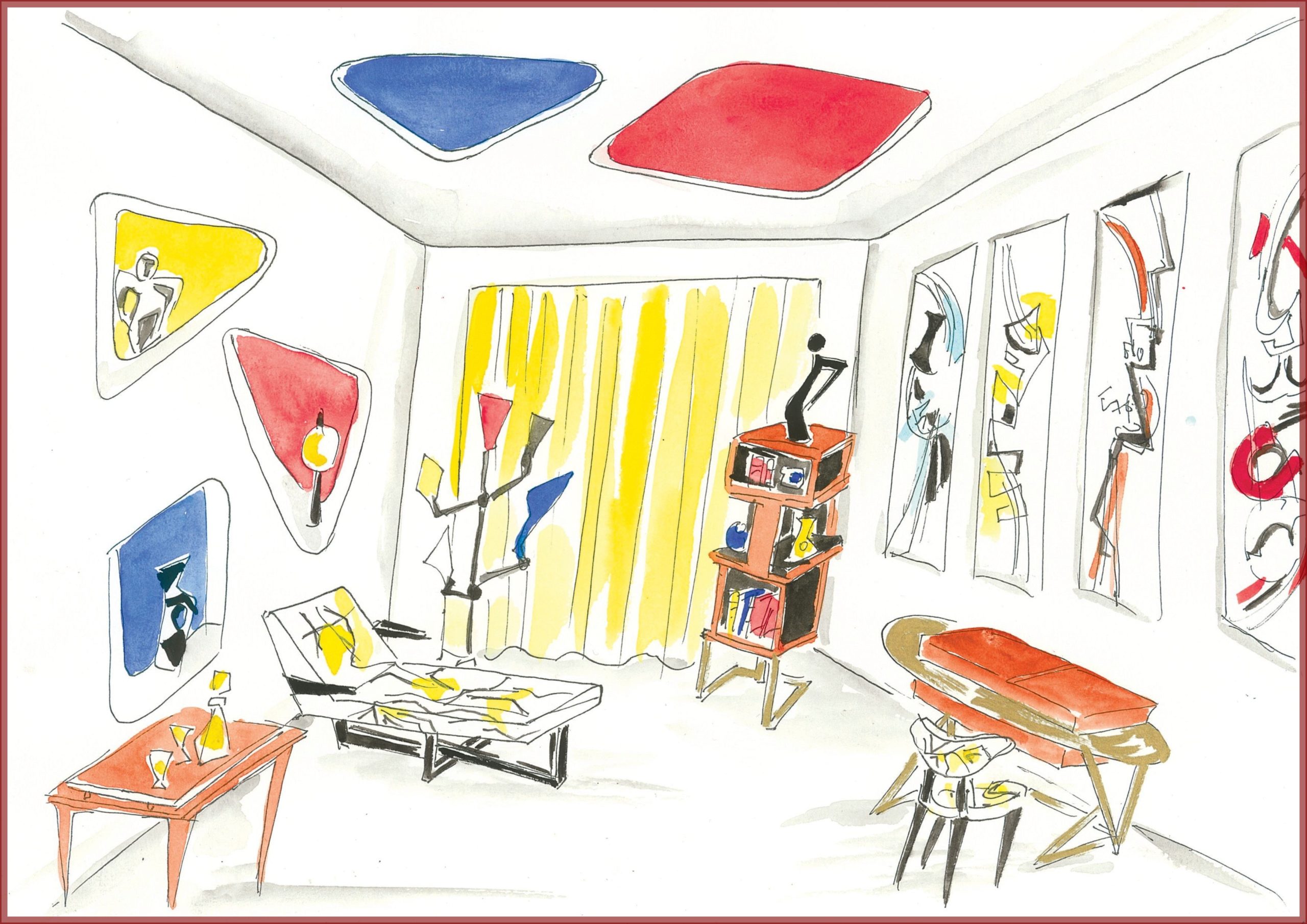
The scenography of the exhibition, conceived as a pileup of shapes and colors, was entrusted to designer Adrien Rovero. The exhibition is punctuated by three themes that reflect the great telescoping of ideas and forms specific to the decade: a new political and cultural era, design in turmoil and the look of the 80s. Inaugurating the journey in the galleries on the Tuileries side, the election of François Mitterrand in 1981 announced a decisive change.

It was under the impetus of the emblematic Minister of Culture Jack Lang that the Fête de la Musique was inaugurated on June 21, 1982. He also worked for public recognition of fashion with the creation of the Institut français de la mode (IFM) in 1986, the organization of fashion shows in the Cour Carrée du Louvre, the Oscars de la mode… Fashion is marked by the distribution of ready-to-wear, which affects the whole of society and replaces the status of couturier with that of designer. The look becomes the expression of a personal language. In the field of advertising and graphic design, these years marked the departure of global visual communication, which was then divided between the growing marketing of advertising agencies and public utility graphics emanating from graphic designers’ workshops.

The media and audiovisual are experiencing unprecedented growth. Étienne Robial created the concept of television packaging for Canal+ then for M6 or even 7. This multiplication of television channels led to the golden age of advertising film with emblematic directors such as Étienne Chatiliez, Jean-Paul Goude or Jean- Baptist Mondino. The written press is transformed: Claude Maggiori rethinks the covers of “Liberation” and the “art” of the slogan invests all areas.

In this period of effervescence, the creator of the 80s mixes several aesthetics, just like the world of fashion. A modernist design with high-tech accents rubs shoulders with neo-baroque and primitive universes that exalt know-how. The action of the VIA (Valorisation de l’Innovation dans l’Ameublement), initiated in 1979 by the Ministry of Industry, awards “Cartes Blanches” to a whole generation of young designers.

Unlike past decades, rather than schools or currents, it is brilliant individuals who are highlighted: François Bauchet, Martine Bedin, Sylvain Dubuisson, Olivier Gagnère, Andrée Putman, but also Philippe Starck or Martin Szekely. The VIA brings in its wake the opening of avant-garde places dedicated to contemporary creation: the Perkal, Néotù, Yves Gastou, En attendant les barbares, Avant-Scène and Gladys Mougin galleries.

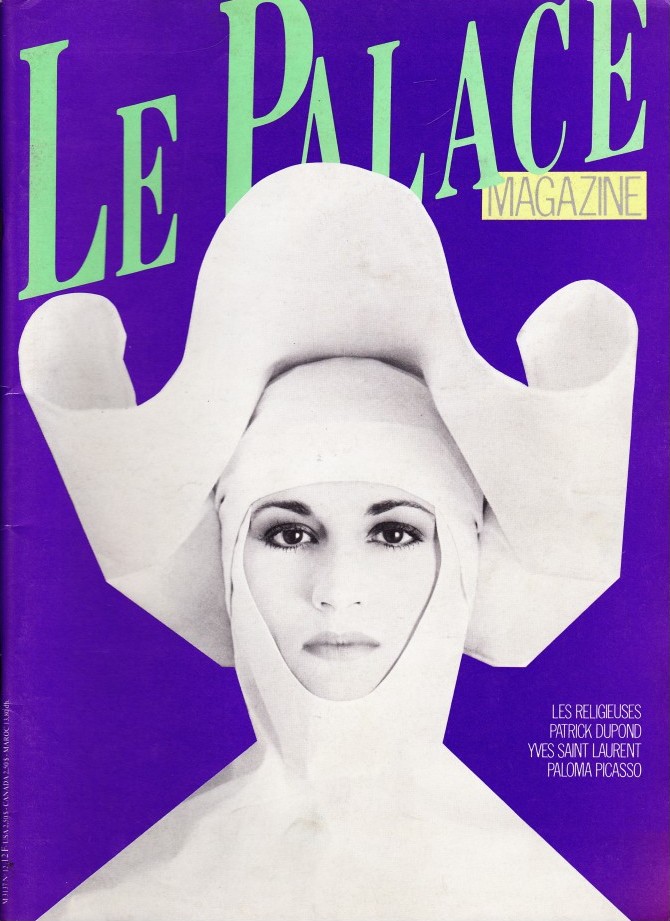
A wind of celebration and freedom blows over the 1980s: fashion shows turn into spectacular shows, paving the way for crazy parties in places that have become legendary : Le Palace and les Bains Douches.

In these clubs where appearance is essential and eccentricity the rule, the whole of Paris dances to new wave, rock and hip-hop music. Young people are diversifying the groups they belong to, giving rise to a multiplicity of subcultures with their own looks.

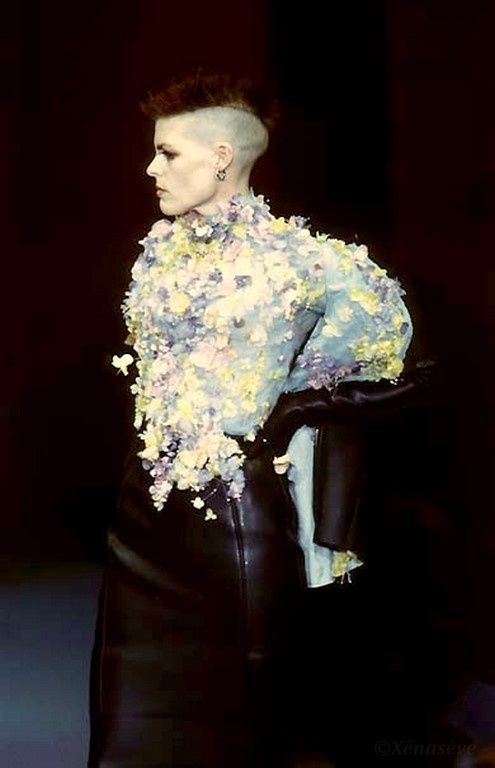
From Antiquity to the 1930s, a revival phenomenon took hold of fashion. Thierry Mugler or Claude Montana are then inspired by historical silhouettes when Jean Paul Gaultier, Vivienne Westwood or Chantal Thomass parody them.

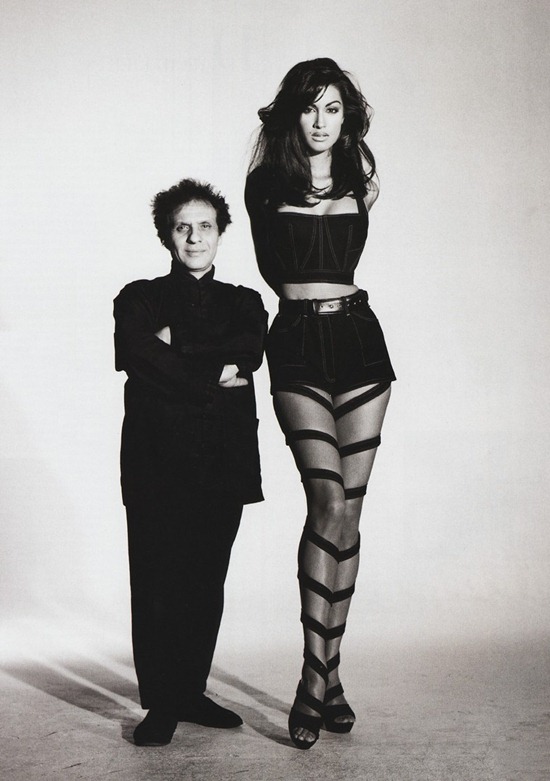
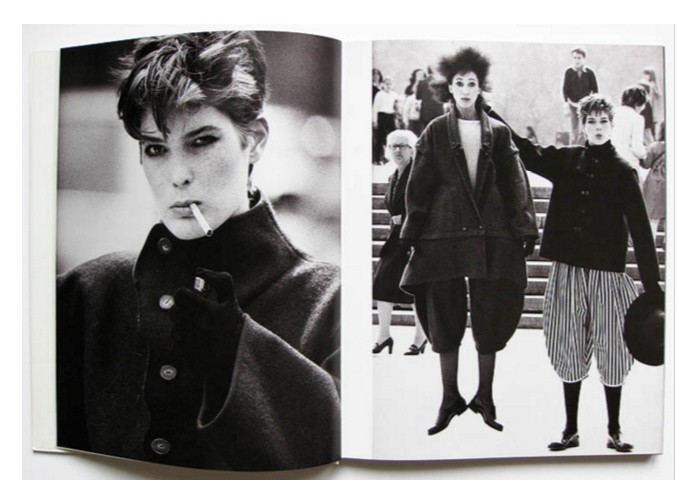
Conversely, Martin Margiela or Rei Kawakubo for Comme des Garçons attempt to deconstruct the notion of clothing. The athletic bodies of the models are molded in the creations of Azzedine Alaïa or Marc Audibert, while the ample forms of Issey Miyake or Anne-Marie Beretta are intended to be architectural and become a real medium of expression for Elisabeth de Senneville and Jean -Charles de Castelbajac.

Fashion is taking over the men’s wardrobe like Jean Paul Gaultier’s famous marinière. Consumer brands flood the urban space with their advertising campaigns such as Naf Naf, Kookaï or Benetton. At the same time, from the then rapidly changing Les Halles district, agnès b. designs the timeless wardrobe of the Parisian. The great anniversary parade of the French Revolution in 1989, to which Jean-Paul Goude gives all its brilliance, concludes the route.

The Museum of Decorative Arts, by retracing the highlights of a period that upset codes, honors its own history: the Museum of Posters and Advertising, created in 1982, and the Museum of Arts of mode, in 1986 – collections now attached to the Musée des Arts Décoratifs – are an offshoot of the policy of the Mitterrand and Lang years. The exhibition recalls how much the 80s were those of the pileup of styles, spontaneity and freedom.

October 13, 2022 – April 16, 2023

MAD

107 rue de Rivoli 75001 Paris

, ,

Rodin, Rêve d’Egypte

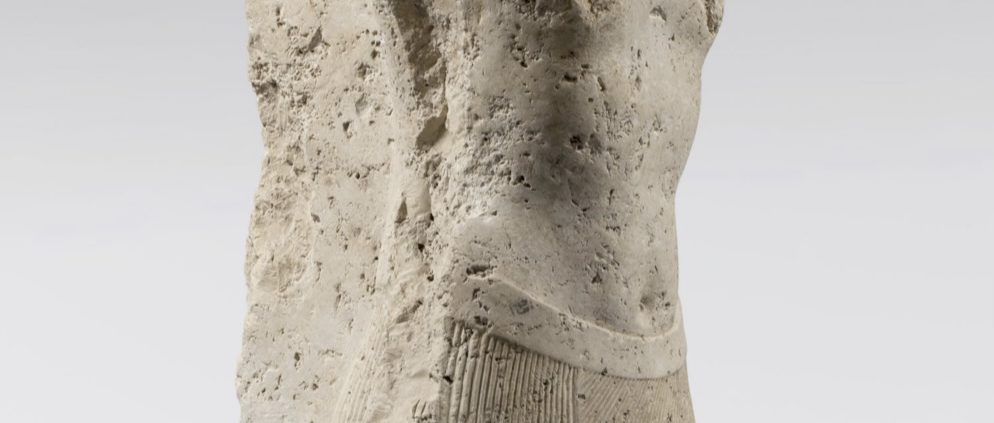
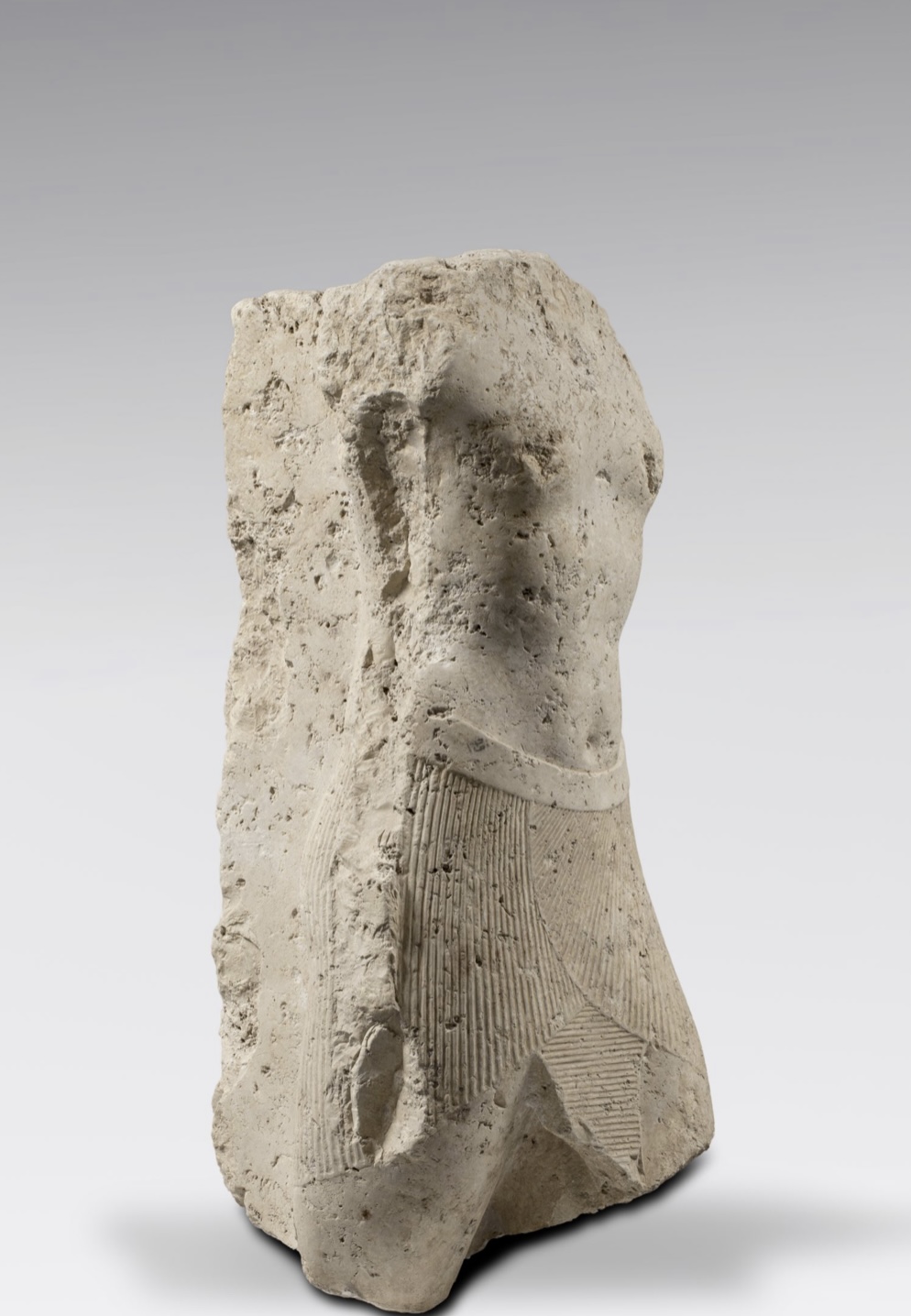
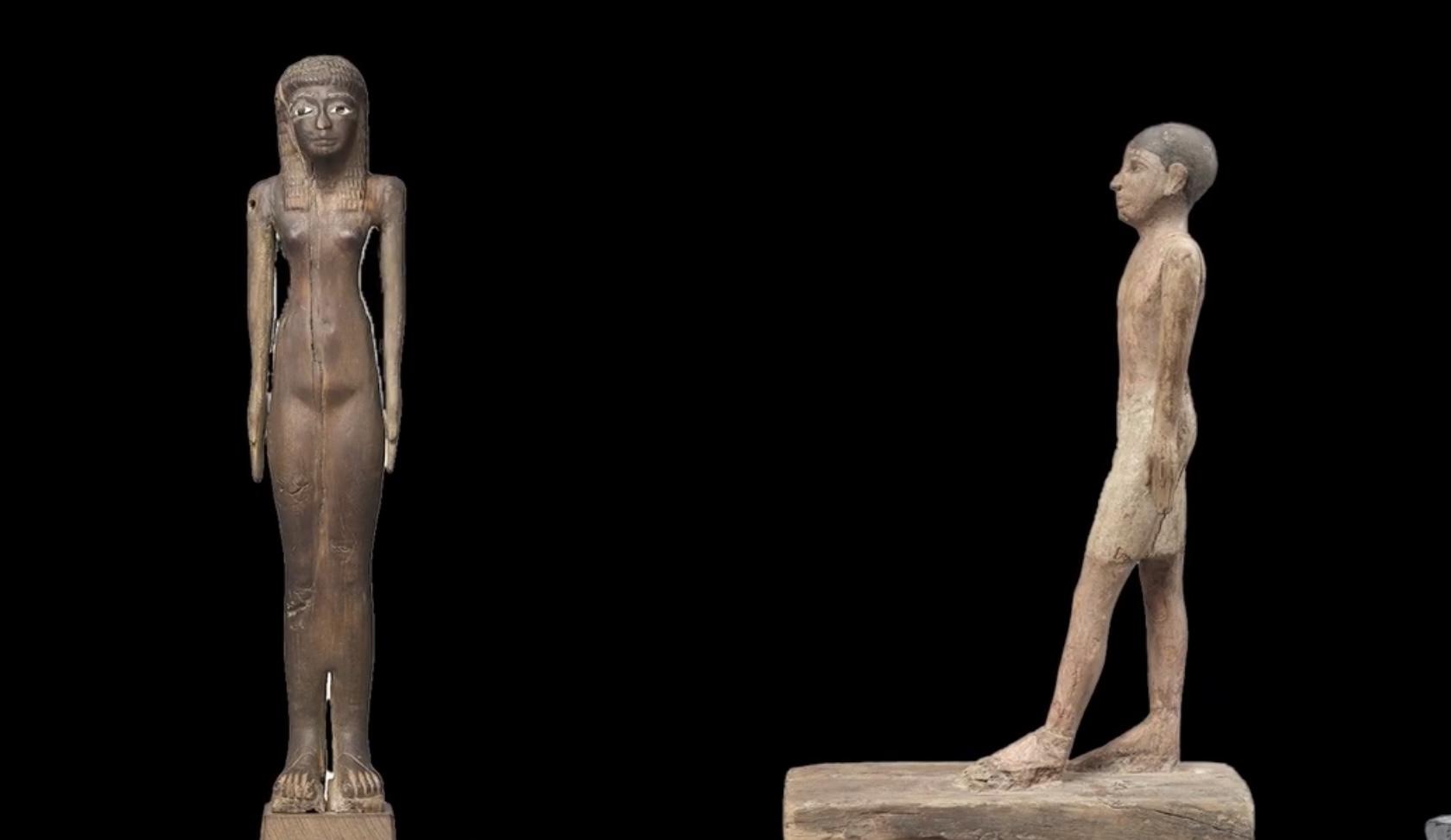
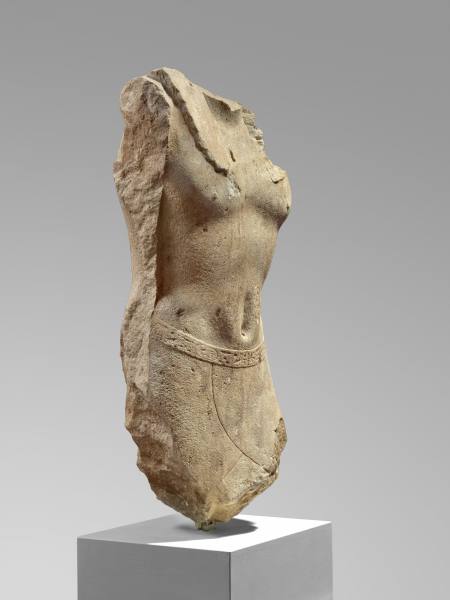
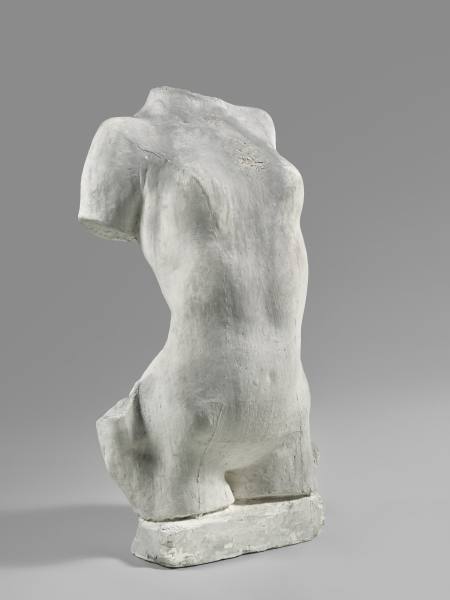
If Rodin studied all his life the arts of the past, those of Greece, Asia, the medieval arts, he was also passionate about this distant and mysterious civilization, which was seen at the very end of the 19th century and in the beginning of the 20th century as a symbol of modernity.

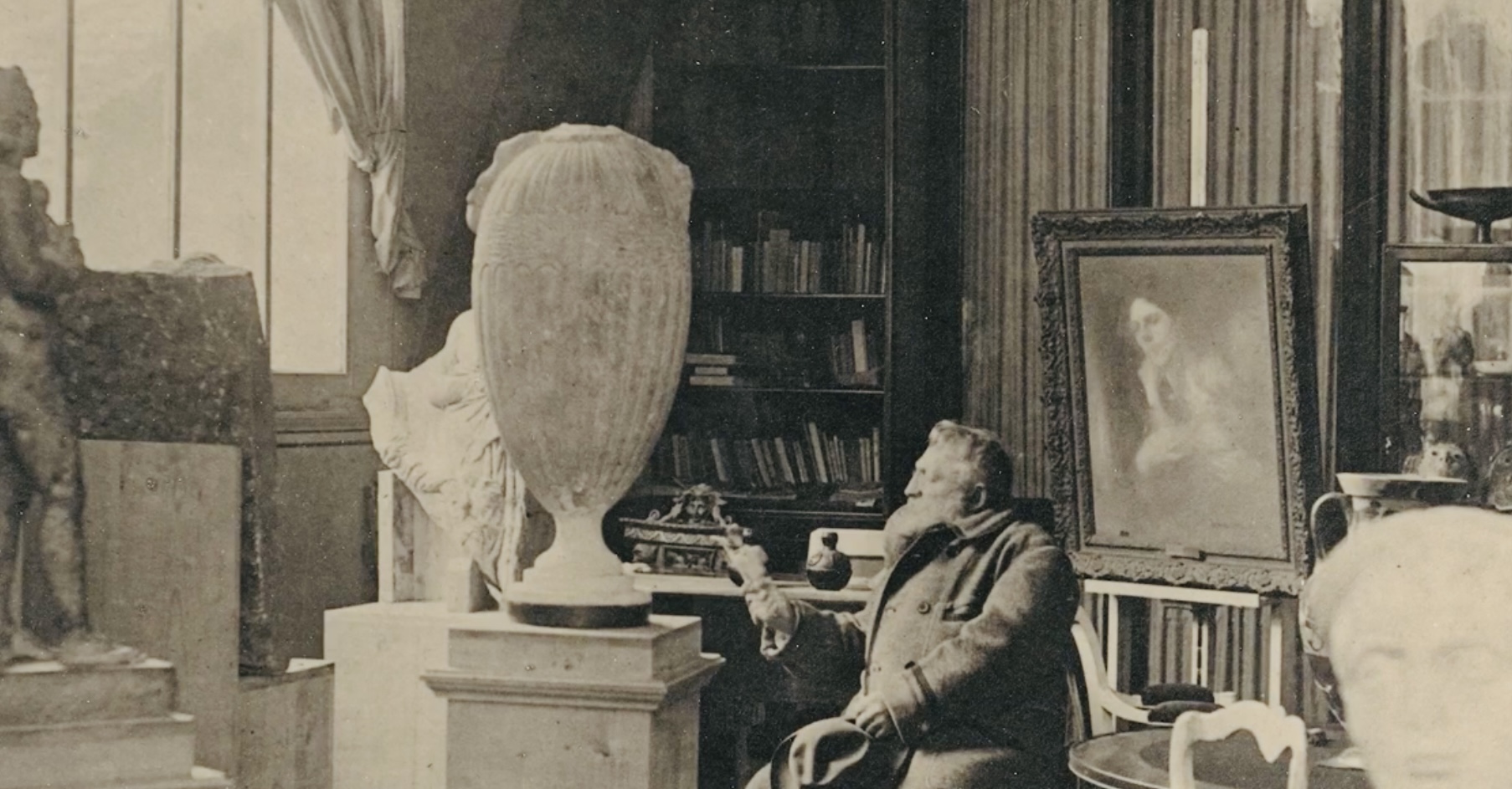
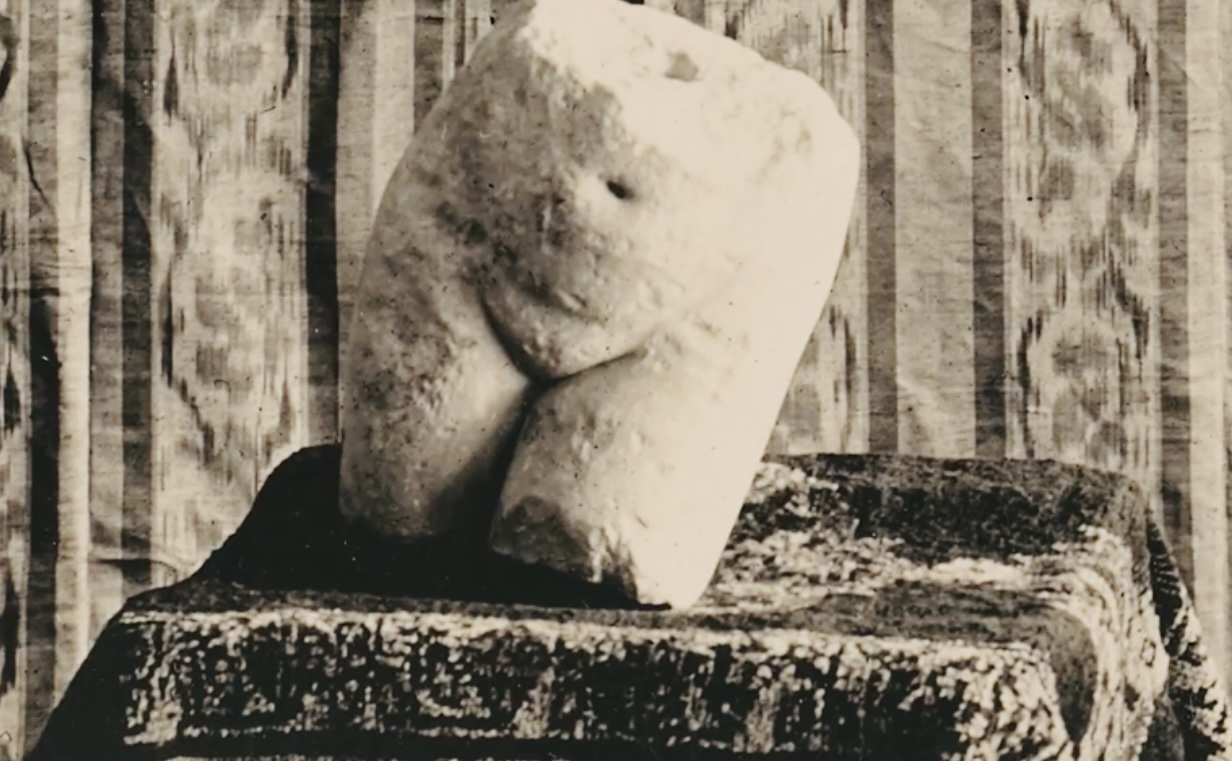
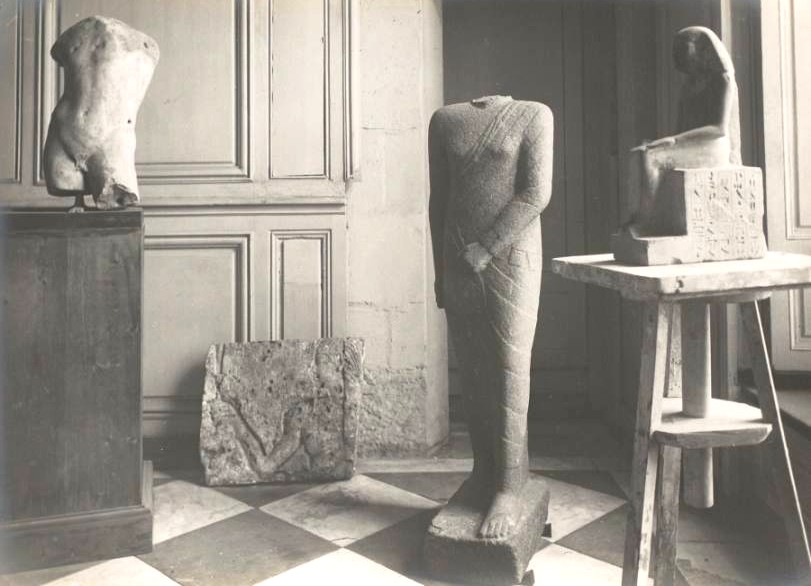
Obtaining supplies from Parisian antique dealers and merchants based in Cairo, he assembled an exceptional collection in number and quality in his studio at the Villa des Brillants in Meudon. From 1908, and even more so in 1911-1912, he also surrounded himself with monumental works with the idea of exhibiting them in the Hotel Biron in Paris, in prefiguration of the future Rodin Museum.

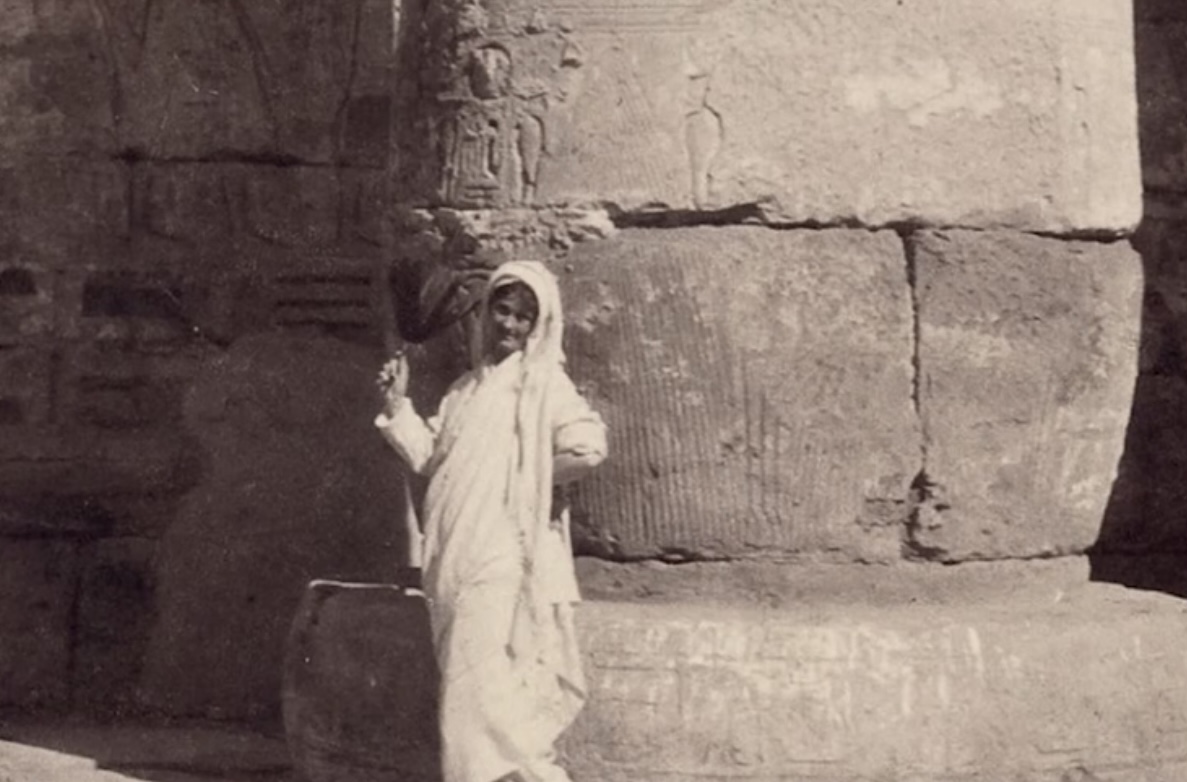
This exhibition is an opportunity to discover for the first time the major pieces of his collection made up of more than a thousand pieces from the pre-Pharaonic era to the Arab era. The 400 or so objects selected offer a varied journey, sculptures, bas-reliefs, masks, figurines, drawings, photographs, archives evoking the relationship that Rodin had with “his friends of the last hour” such as Rainer Maria Rilke or Isadora Duncan who , unlike him, made the trip to Egypt.

They bring out figures of smugglers, writers, artists, antiquarians and Egyptologists, who guided the artist towards Egypt by feeding him with visual sources, stories or objects. The constitution of Rodin’s collection thus reveals the history of the art market and antique dealers of this period. It is part of the commemoration program for the Champollion year, organized under the aegis of France Mémoire.

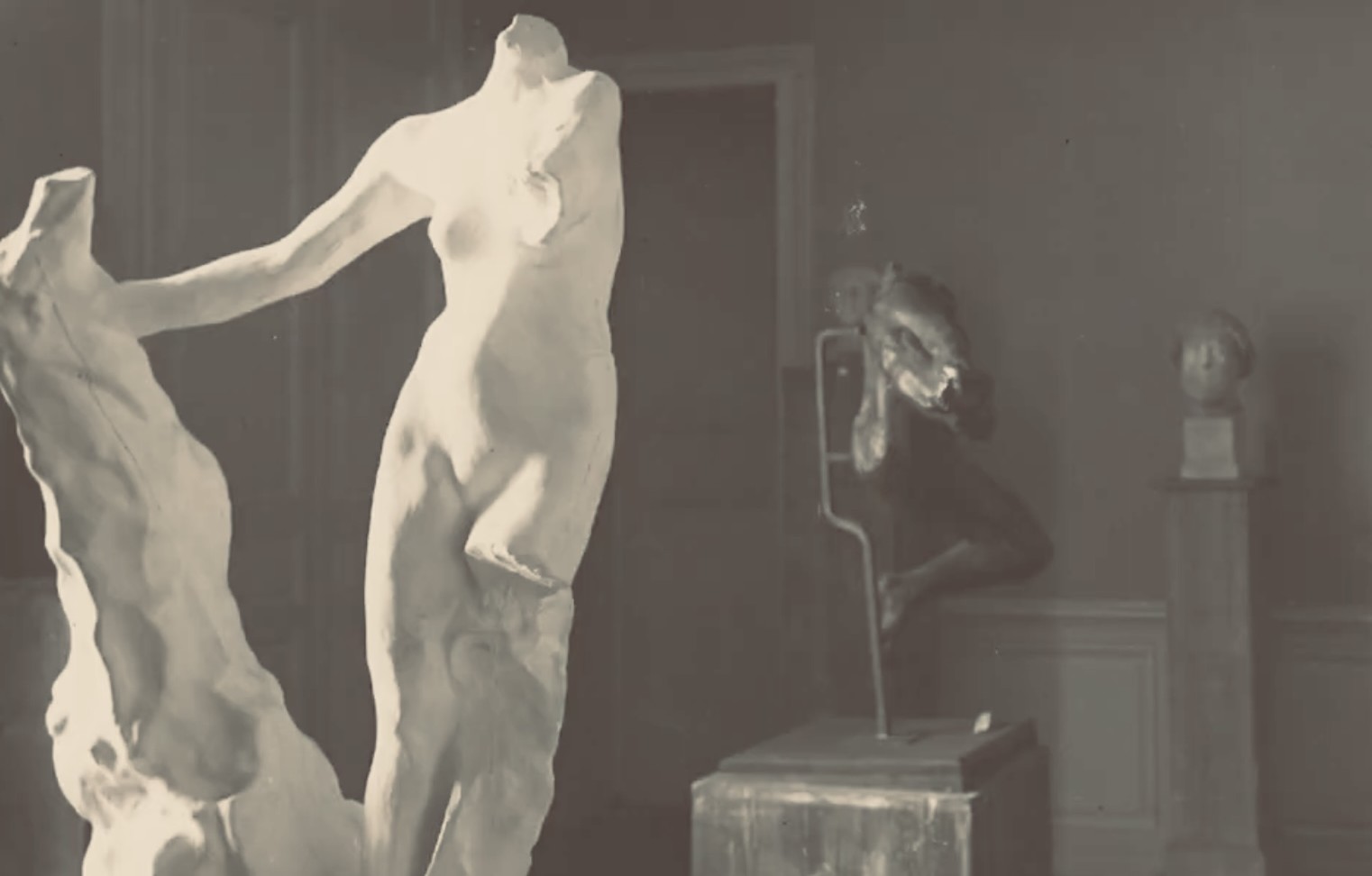
It also presents the resonance of Egyptian art in the work of the sculptor, through his research on the representation of the human body, the simplification of forms, the fragment or the monumentality with in particular with the Monument to Balzac (1898) which he said “Balzac is the Sphinx of France”. It is more for the sculptor to “be Egyptian” than to be inspired by Egyptian art. The exhibition benefits from major loans from the Louvre Museum, the Orsay Museum, the Bourdelle Museum and private collectors.

October 18, 2022 – March 5, 2023

MUSEE RODIN

77 rue de Varenne 75007 Paris

,

Jean Painlevé

Feet in the Water

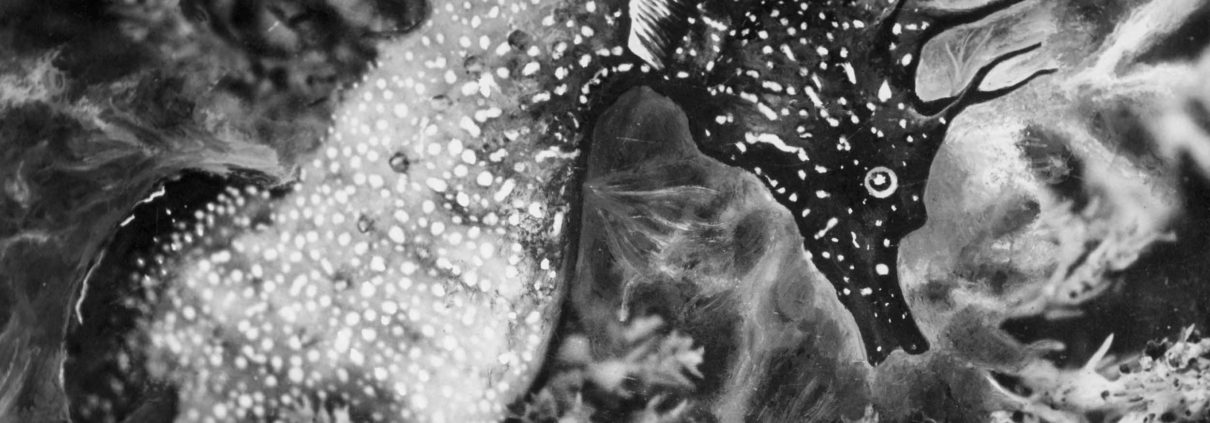
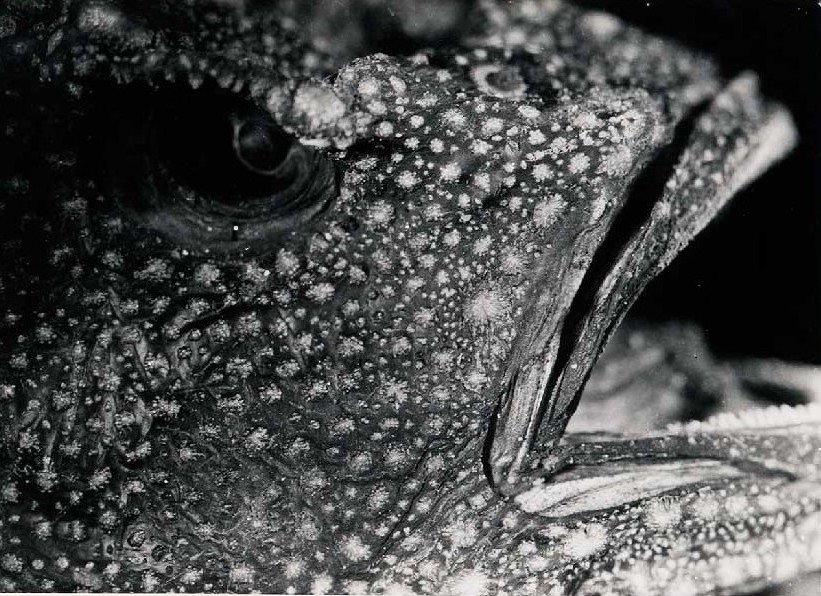
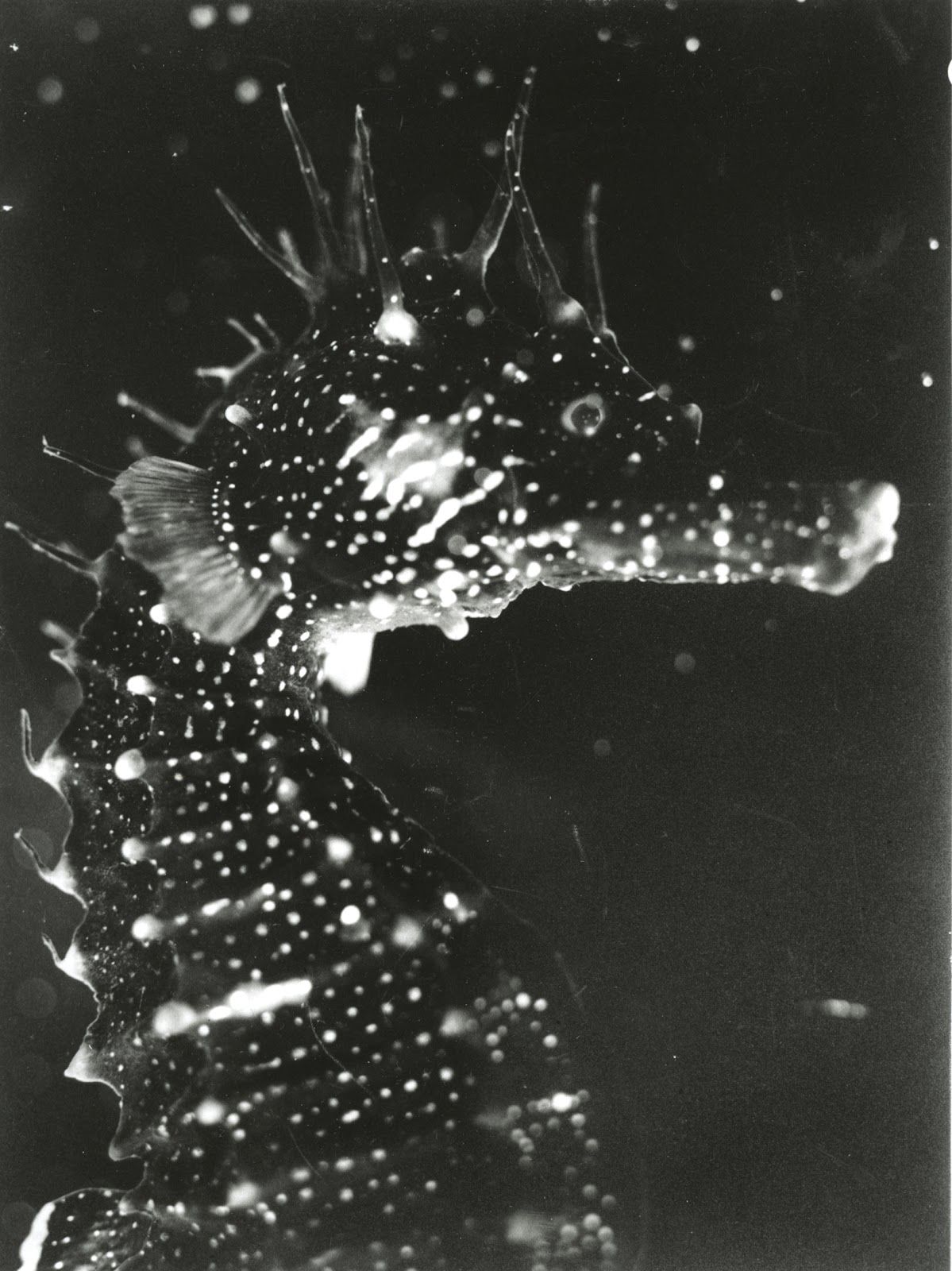
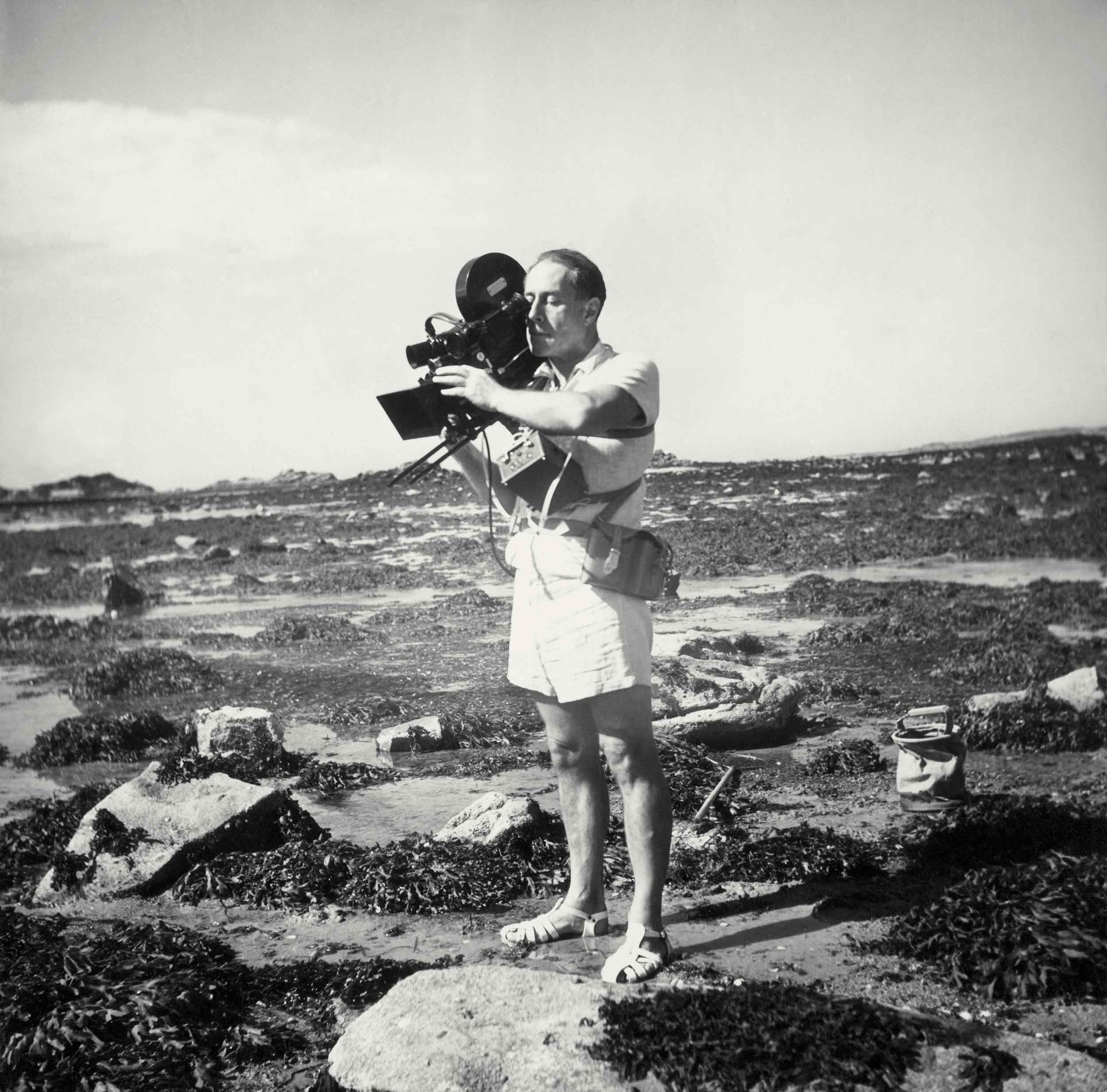
Associated with the avant-garde, Painlevé uses film as an exploratory tool to reveal unknown and mysterious aspects of living organisms. He accompanies the viewer with a descriptive and informative description of the subjects under study, while in most of his films the images continually alternate between full-scale observations and microscopic analyses.

During the inter-war period, his work was shown outside the scientific field, in avant-garde cinemas and film clubs. Painlevé was quickly recognised and his publications in the illustrated press of the 1930s contributed to his fame. His non-conformist attitude and his affinity with the surrealist spirit are undoubtedly at the origin of the privileged link he has with independent documentary cinema. The ease with which he crossed the boundaries between science and art was rooted in his artistic associations: Jacques-André Boiffard, Alexander Calder, Ivan Goll, Fernand Léger, Éli Lotar, Pierre Naville, Pierre Prévert, Jean Vigo…

From the 1950s onwards, Painlevé and Geneviève Hamon, his partner and collaborator, made a large number of research films, while their personal work continued, nourished by the research of the zoologists and biologists for whom they worked.
Four major aspects underline the specificity of this work: the coastline as a favourite terrain; the scientific and pedagogical approach; the relationship with the surrealist movement; and finally, the dynamics of film editing and the role of movement, rhythm and dance as characteristics and motifs.

This exhibition places Painlevé’s work in the historical and scientific context of its creation, highlighting the importance of research in his work. Still inspiring many artists today, it finds its contemporary resonance in the way the films immerse the viewer in an undefined mental space which, between familiar experiences and dreamlike drift, is still able to destabilise our sense of reality today.

June 8 – September 18, 2022

JEU de PAUME

1 place de la Concorde 75001 Paris

,

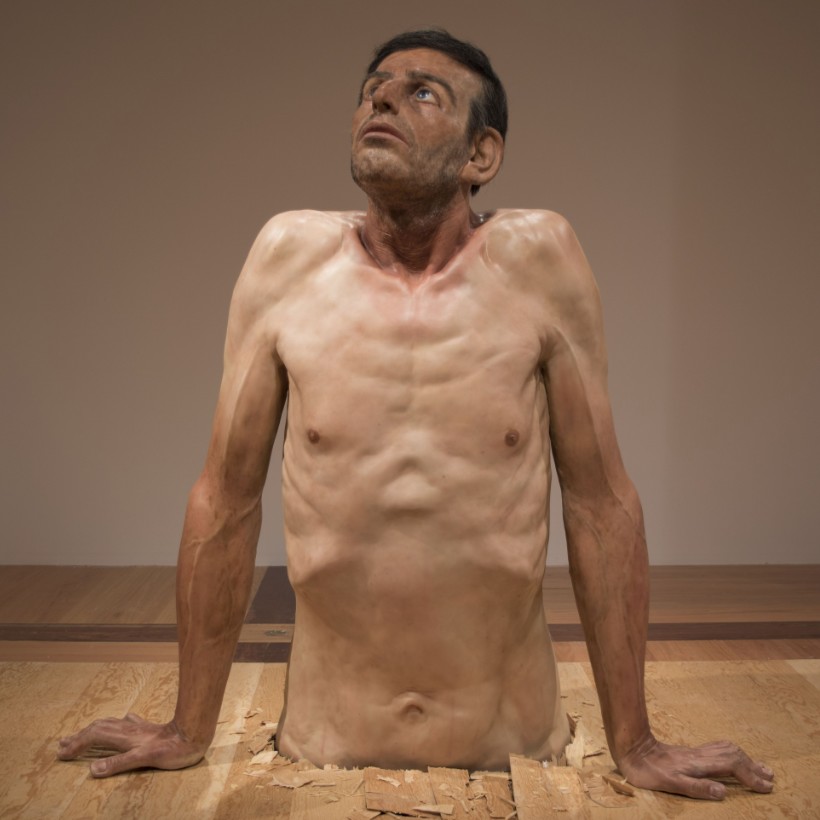
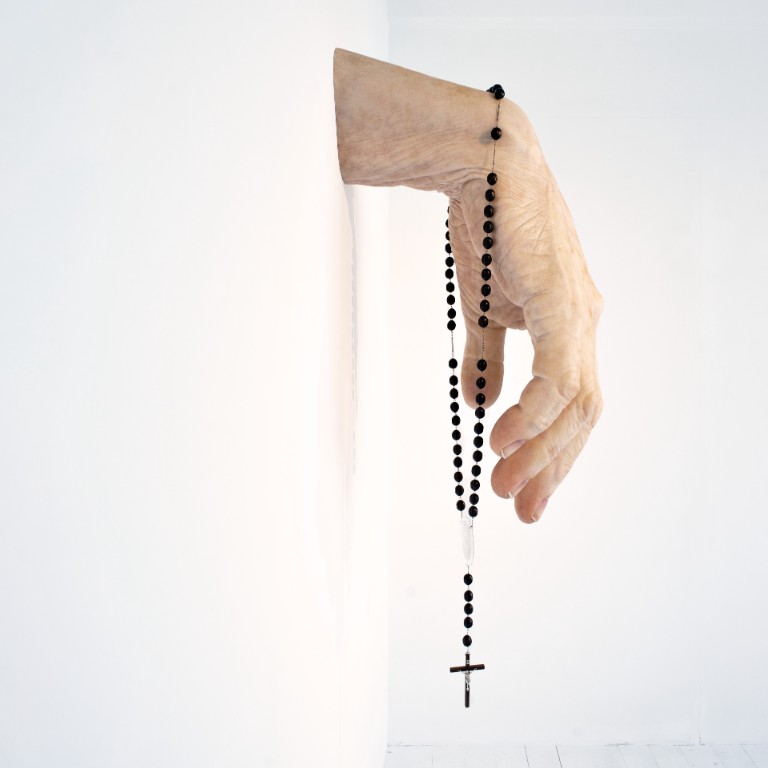
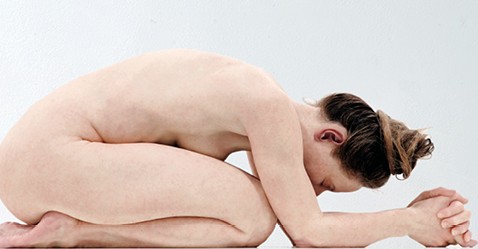
Hyperrealism. This is not a body

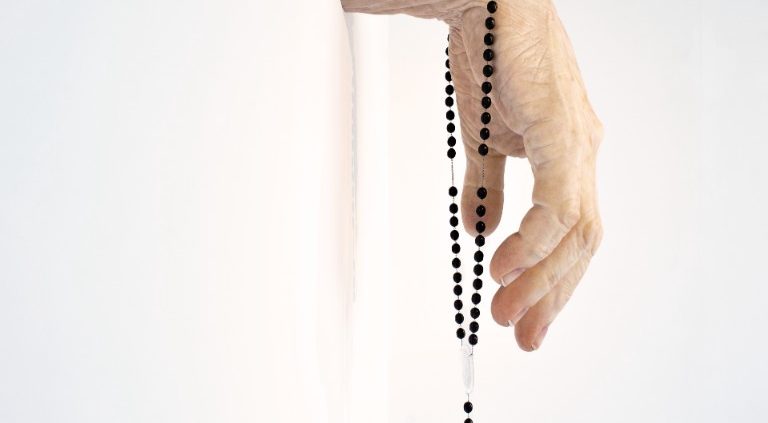
The exhibition presents a series of sculptures that shake our vision of art. Reality, art or copy? The hyperrealist artist turns his back on abstraction and seeks to achieve a meticulous representation of nature to the point that viewers sometimes wonder if they are dealing with the living body. These works thus generate a feeling of strangeness, but are always meaningful.

The subtitle of the exhibition refers to René Magritte’s famous work “Ceci n’est pas une pipe”, which questioned the relationship between art and reality. Some exhibited artists strive to give the human body the most faithful and lively representation possible while others, on the contrary, question the notion of reality: new technologies, diverted popular representations, deformations….

The route brings together more than 40 sculptures by leading international artists including: George Segal, Ron Mueck, Maurizio Cattelan, Berlinde De Bruyckere, Duane Hanson, Carole A. Feuerman, John DeAndrea,…

September 8, 2022 – March 5, 2023

Musée Maillol 


59-61 Rue de Grenelle 
75007 Paris