,

Monnaies et Merveilles
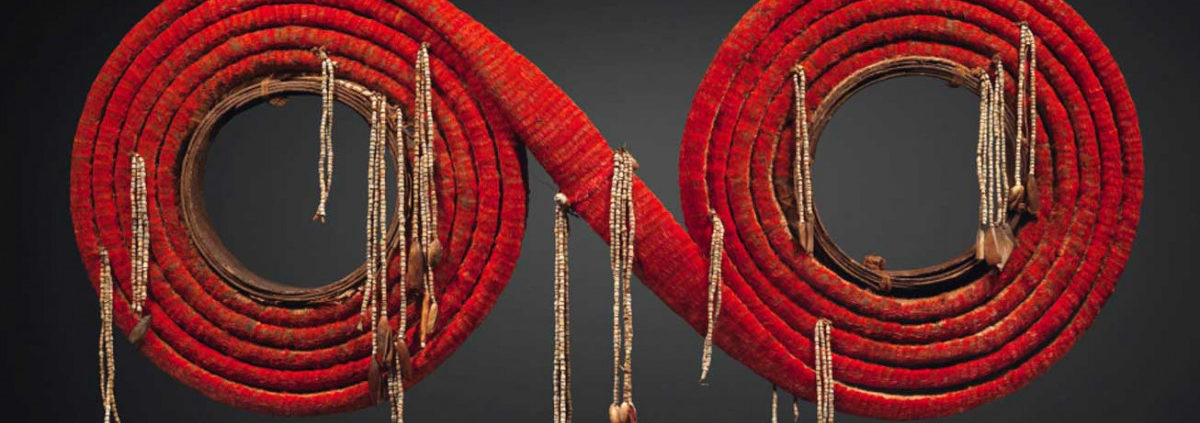
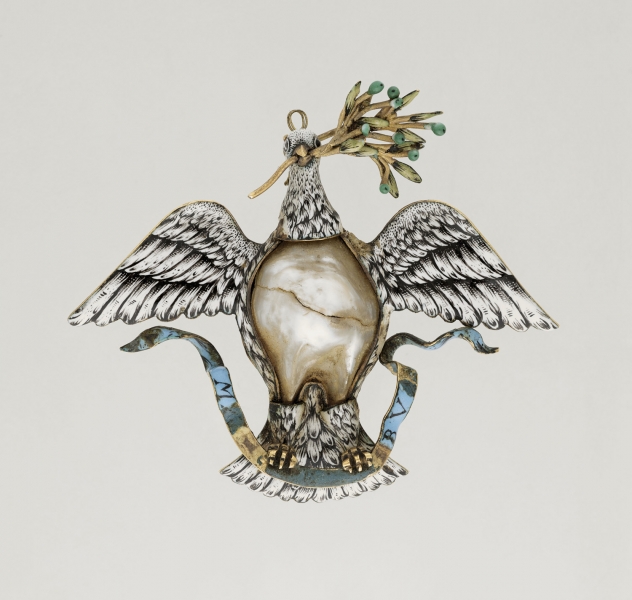
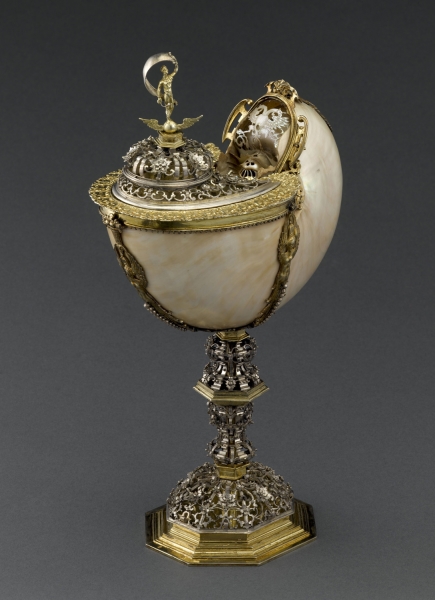
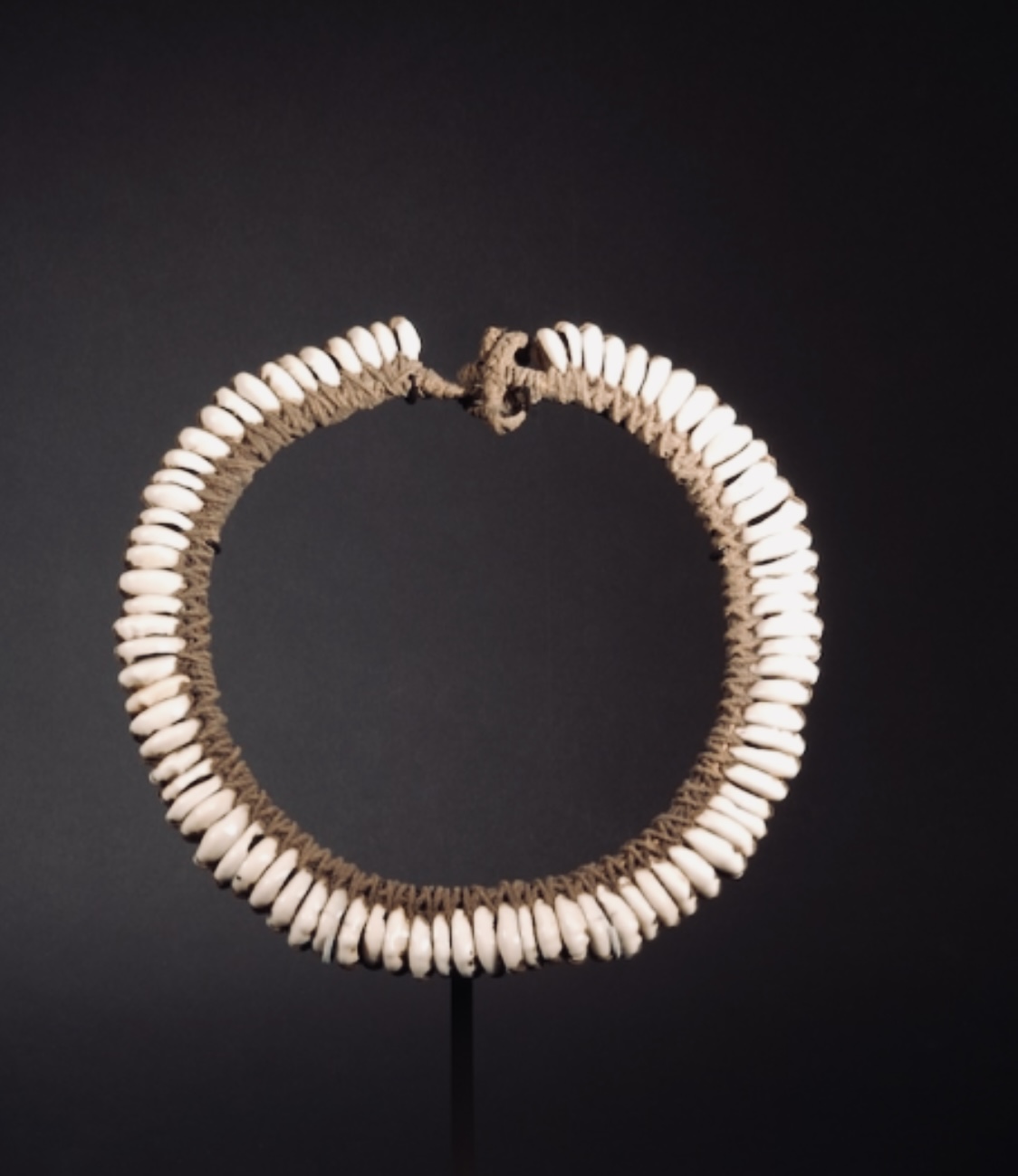
Deployed in the historic salons of the Monnaie de Paris, the exhibition “Monnaies & Merveilles” is an invitation to travel through the infinite variety of forms, materials and uses of money. Gold, silver, feathers, mother-of-pearl, pearls or iron, the currency amazes by its diversity. Commercial transactions are materialized in multiple forms, to finish, beyond exchange, by expressing rank, prestige and wealth.
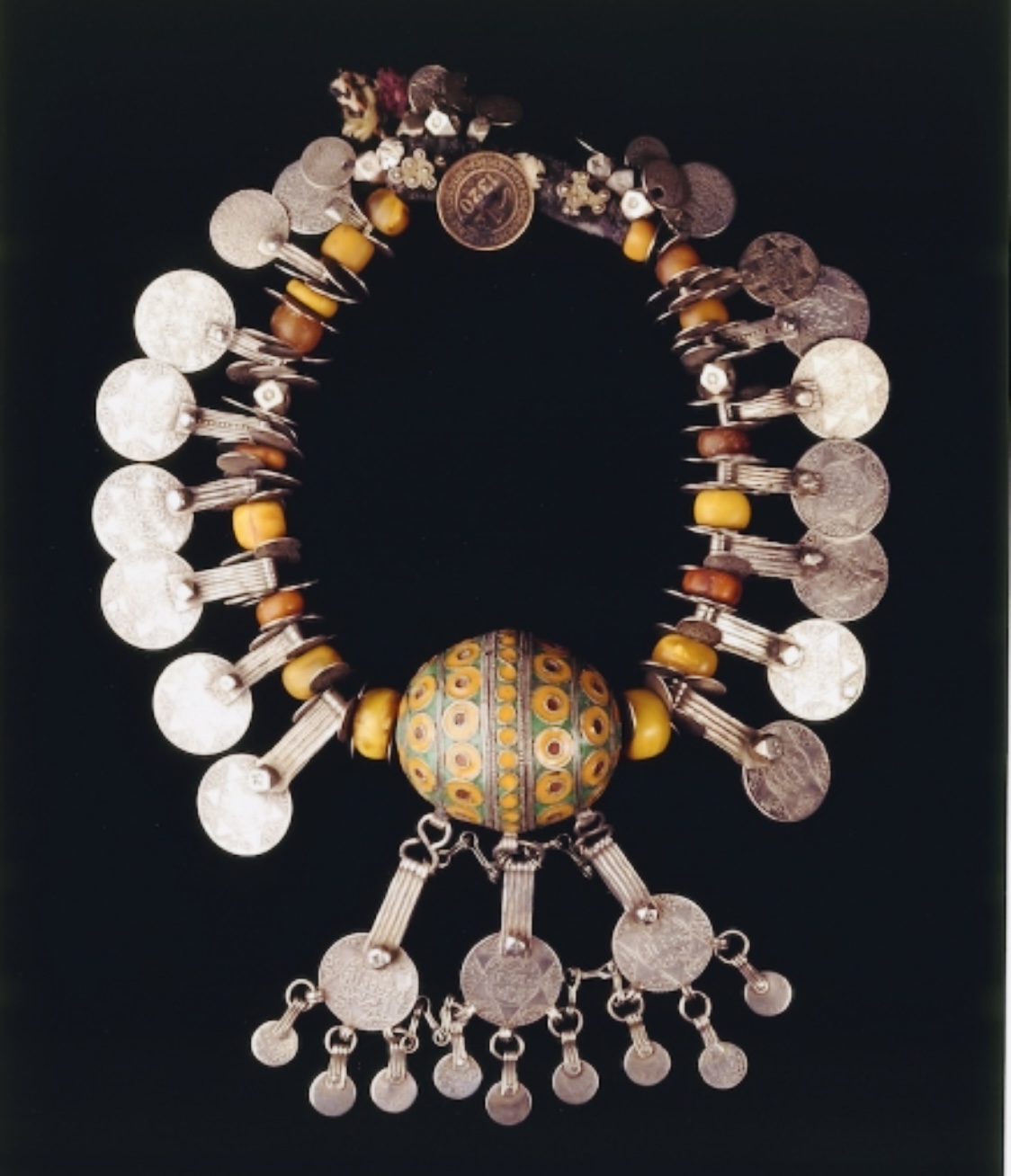
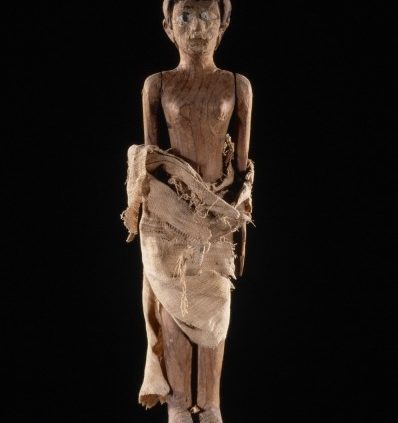
These instruments, exhibited or kept secret, are invested with social or sacred symbols and marry the most diverse aspects: Kuba velvet from Zaire, currency bracelets from Côte d’Ivoire, textiles from Timor (Southeast Asia), feather rolls from the Santa Cruz Islands (Polynesia)… Some 200 pieces from museum institutions or private collections invite the public on a sensitive journey into the heart of monetary uses and rituals across cultures and civilizations. The tour also highlights a series of popular European objects such as the spectacular clairvoyance automatons that celebrate the coin as a rite of passage to the irrational and the dream.

From archaeology to anthropology, economics, psychoanalysis, art history and philosophy, all disciplines agree to recognize the depth of their symbolism, their intense power of seduction.

Mapping the exchanges between the peoples of the lands and the peoples of the seas, drawing the balances between masculine and feminine, these protean ambassadors are, above all, concentrates of humanity.

Like a cabinet of curiosities, this exhibition is an invitation to travel and dream, a dreamlike and sensitive dive into the heart of the thousand and one metamorphoses of money through beliefs and civilizations.

At a time of dematerialization and the increasing standardization of monetary practices, it is also a tribute to these anonymous creators, men and women, who have been able to compete in imagination and audacity to raise these objects of exchange, culture and sociability to the rank of works of art.
May12 – September 25, 2022

MONNAIE de PARIS

11 quai de Conti ou 2 rue Guénégaud 75006 Paris

01 40 46 55 00

Pioneers

Artists in the Paris of the Roaring Twenties

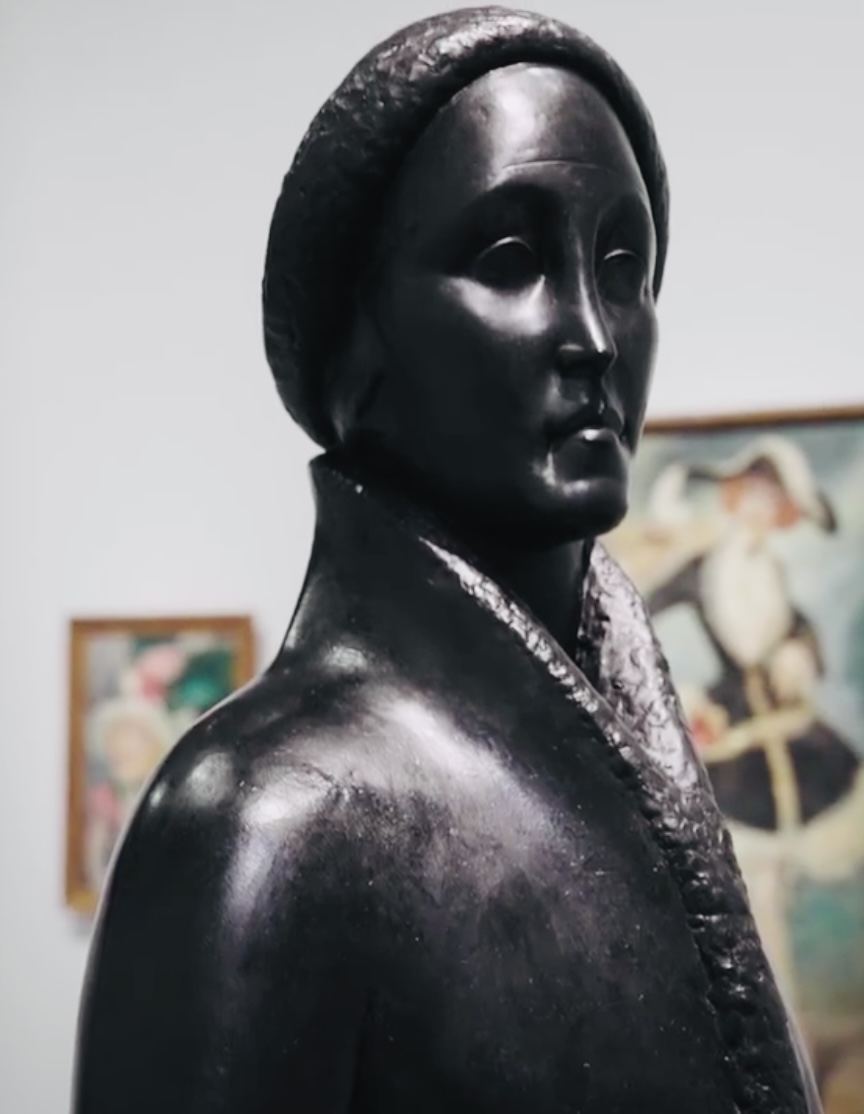
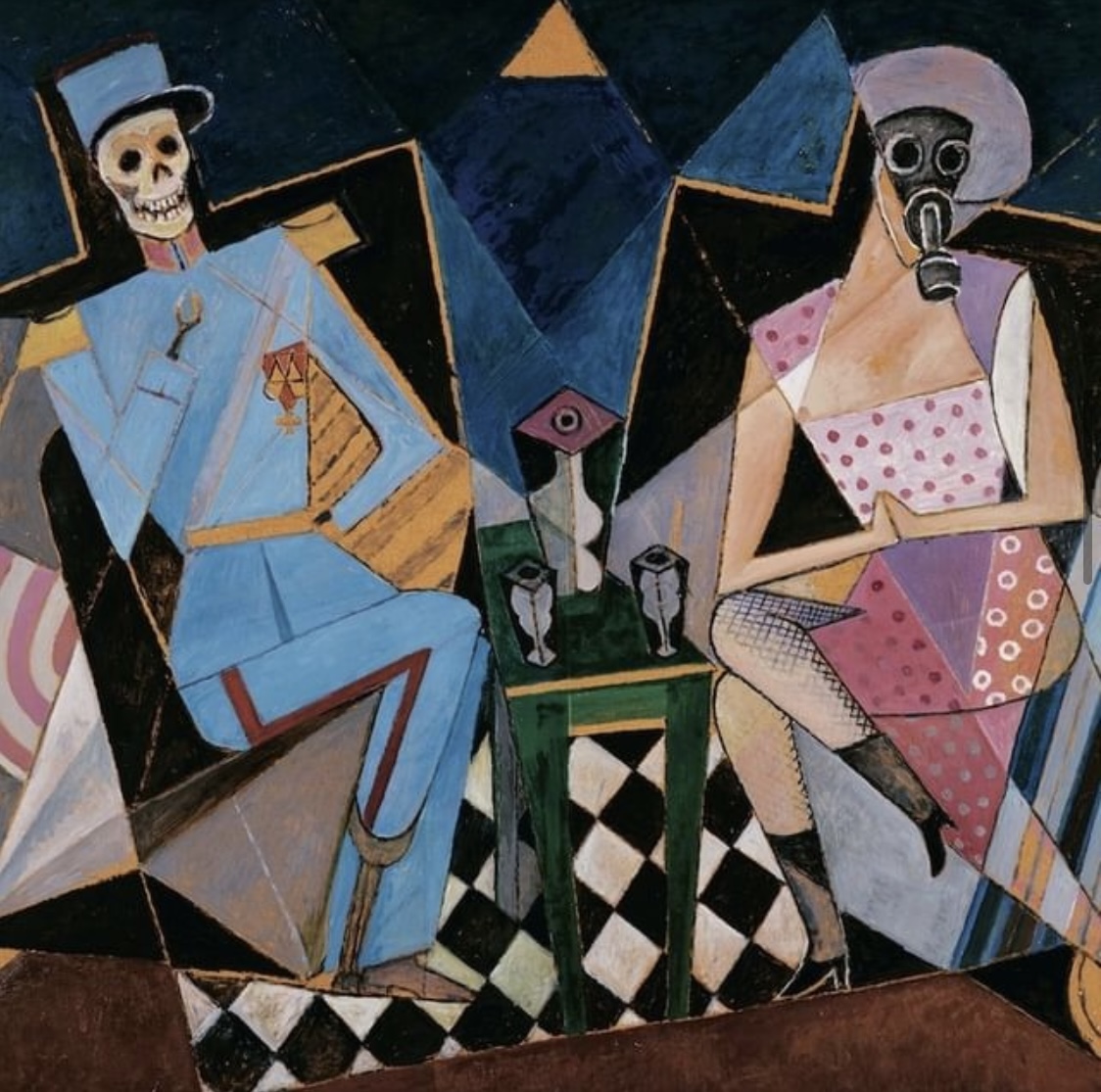
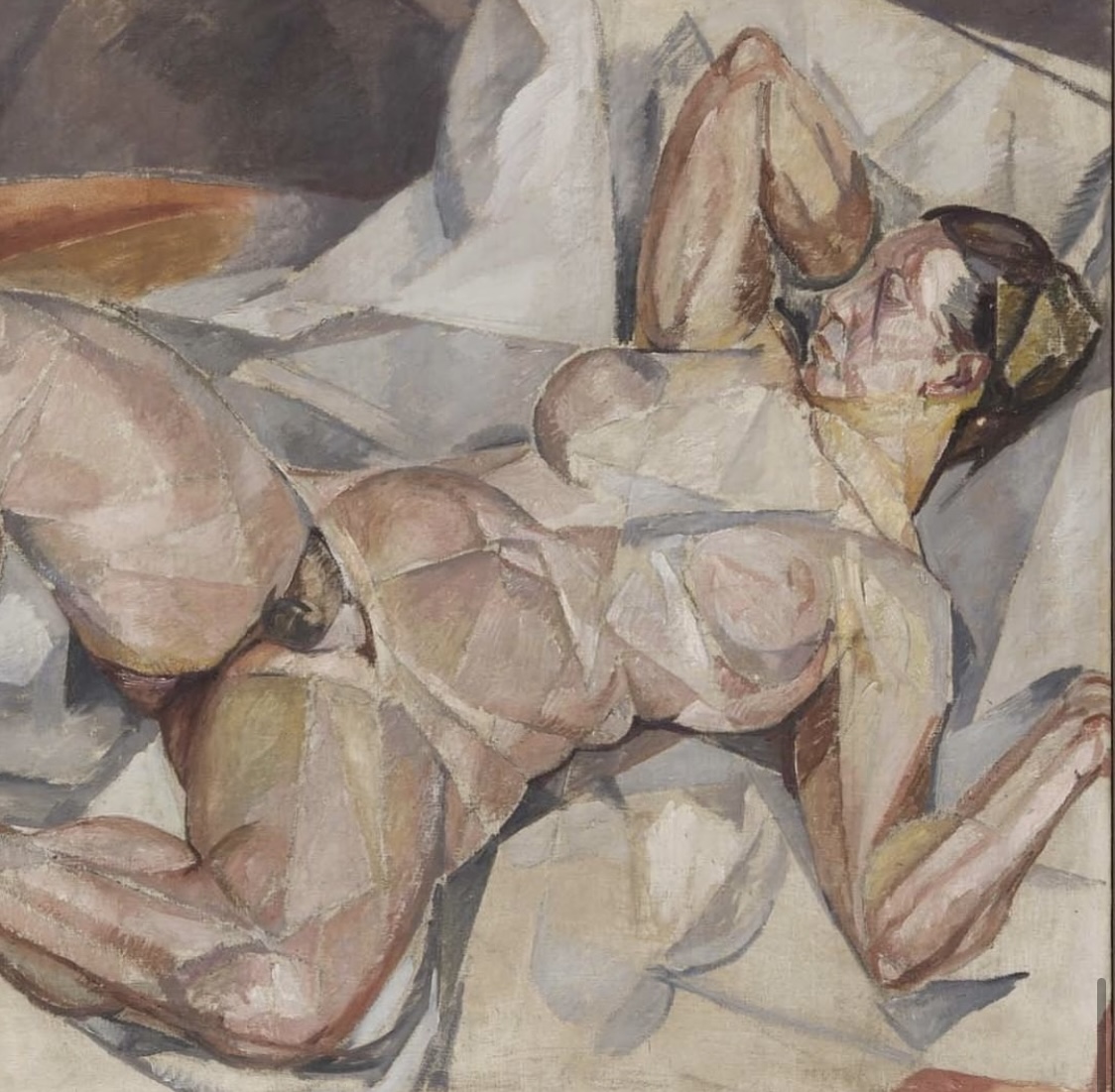
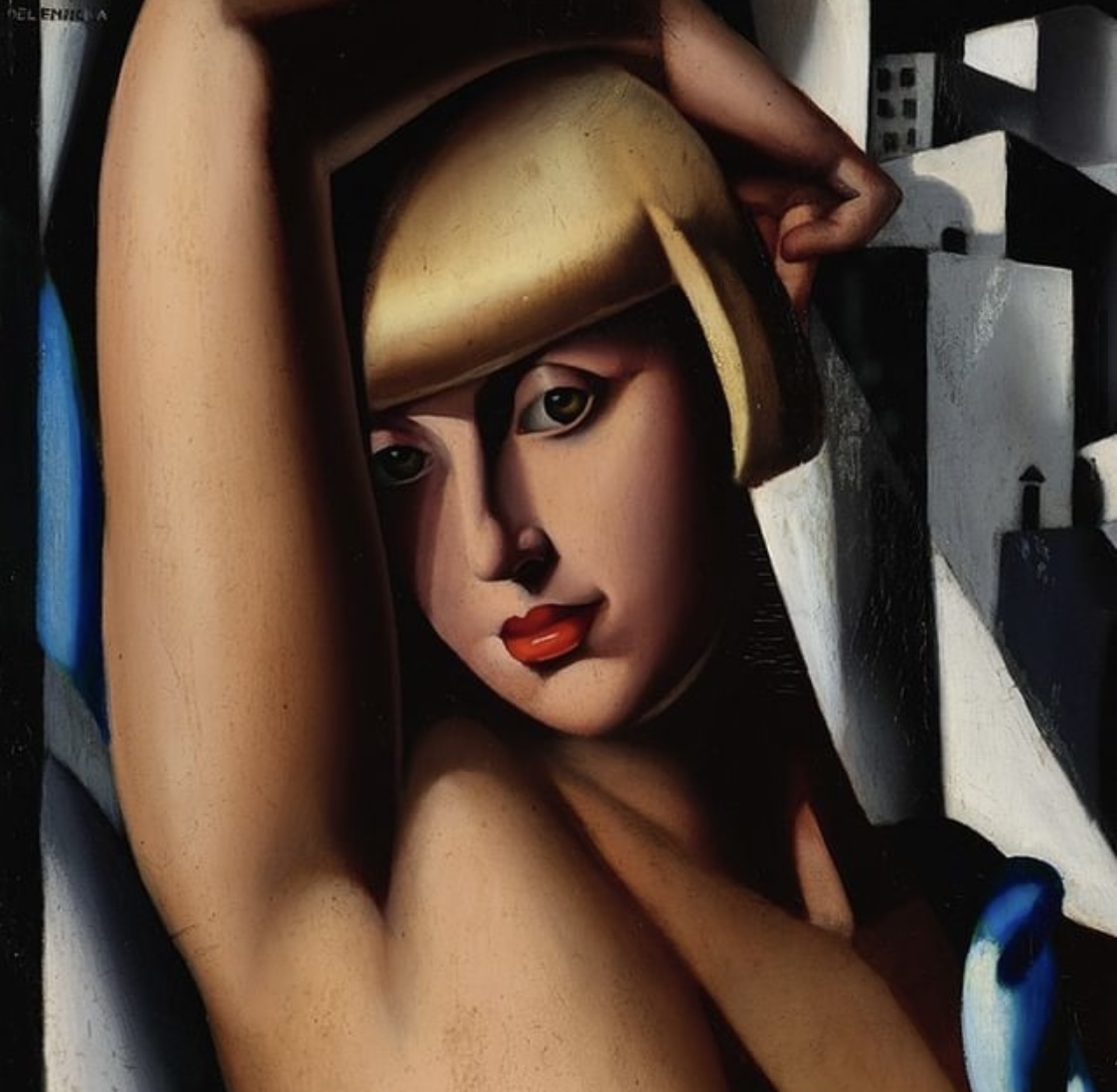
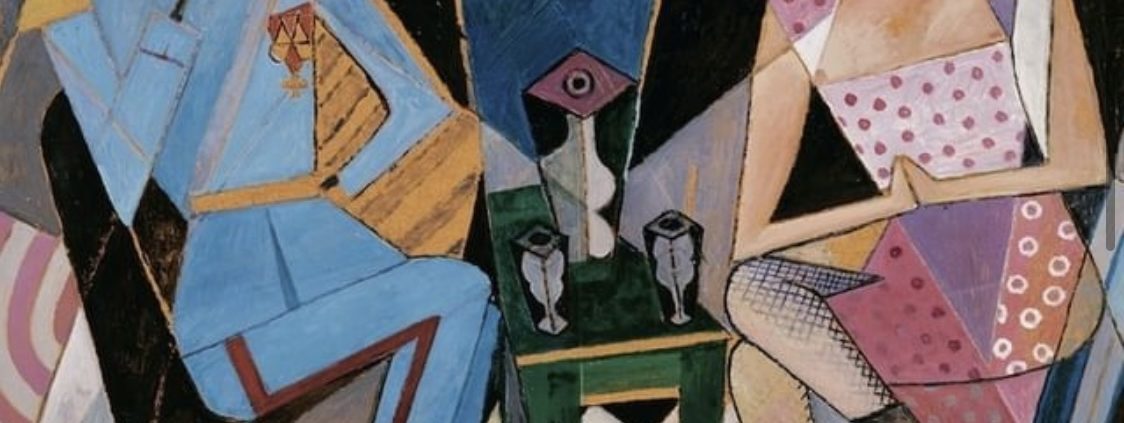
Having long been marginalised and discriminated against, both in terms of their training and their access to galleries, collectors and museums, women artists in the first half of the 20th century nevertheless played an essential role in the development of the major artistic movements of our times, even if this was not acknowledged during their lifetime. It is only recently that their role in the avant-gardes has been explored; indeed, it stands to reason that once these women’s role is properly recognised, these movements will be transformed.

This exhibition invites us to reinstate them in this changing history of art, from Fauvism to abstraction via Cubism, Dada and Surrealism, but also in the worlds of architecture, dance, design, literature and fashion, as well as scientific discovery.

Their visual and conceptual explorations attest to their audacity and courage in the face of established conventions that confined women within certain professions and stereotypes. They express, in many different ways, a desire to redefine the role of women in the modern world. Through the many upheavals of the early 20th century, a number of key women artists began to emerge. Their number increased after the Russian Revolution and the First World War, which intensified challenges to the patriarchal model for practical, political and social reasons. Women gained more power and visibility and artists gave these pioneers a face that actually represented them. 

March 2 – July 10, 2022

MUSÉE DU LUXEMBOURG

19 rue de Vaugirard 75006 Paris

From Afar

Travelling Materials and Objects

For its 6th season, the Petite Galerie offers a journey through time and around the world with the exhibition ‘From Afar: Travelling Materials and Objects’.

The Petite Galerie complements in this way the cycle of exhibitions dedicated by the Louvre to discoveries and explorations of lands near and far: ‘Paris-Athens: The Birth of Modern Greece, 1675–1919’ in September and ‘Pharaoh of the Two Lands. An African Epic: the Kings of Napata’ in the spring.

Through materials and objects, this exhibition describes exchanges between distant worlds – exchanges often far more ancient than the explorations of the 16th century. Forms, techniques, and themes intertwined to create new objects, reflecting all the complexity of our world as it could be perceived in Europe from the late Middle Ages on.

september 22, 2021 – july 4, 2022

Petite Galerie

MUSEE DU LOUVRE

The Little World of Steve McCurry

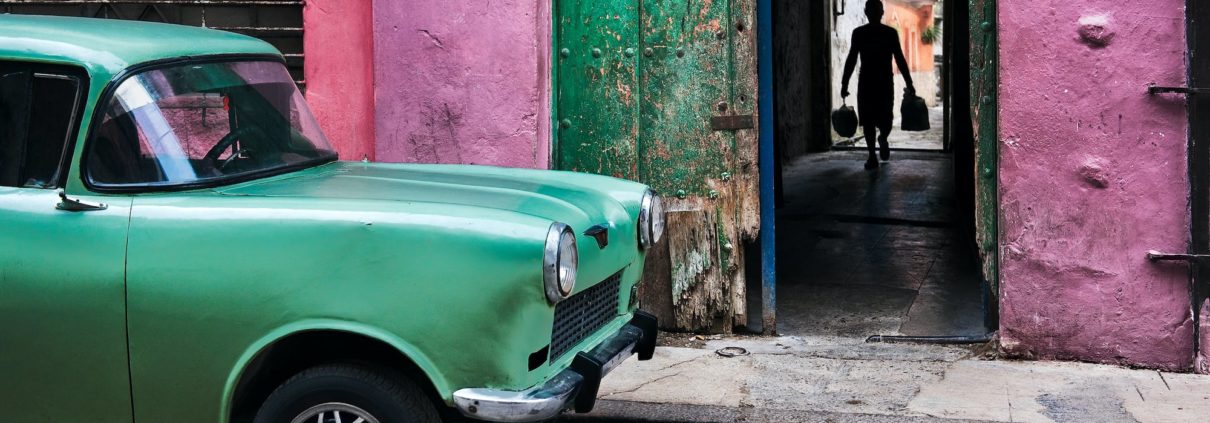
The exhibition The World of Steve McCurry presents more than 150 photos printed in large format for the first time in Paris. It is the most complete retrospective dedicated to the American photographer. You can admire his most famous photos, made throughout his 40-year career, but also his most recent shots and many unpublished photos.

Each of Steve McCurry’s images, mostly known around the world, contains a complex universe of experiences and emotions.

The exhibition, designed by Biba Giacchetti, offers a long journey into the world of Steve McCurry, from Afghanistan to India, from Southeast Asia to Africa, from Cuba to the United States, from Brazil to Italy, through his vast and fascinating repertoire of images, where the Human is always the main protagonist, even if he is only evoked.

December 9, 2021 – July 31, 2022

MUSEE MAILLOL

59-61 rue de Grenelle 75007 Paris

Yves Saint-Laurent to Museums

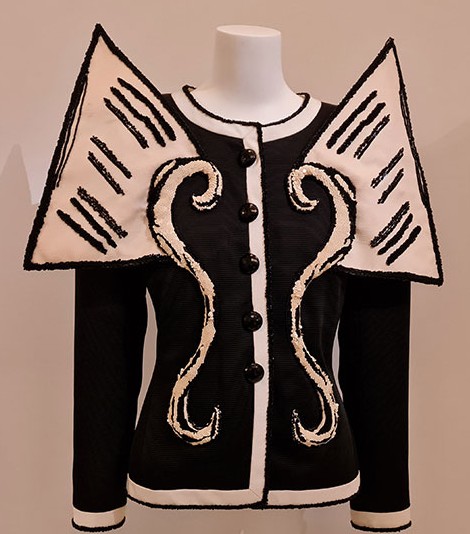
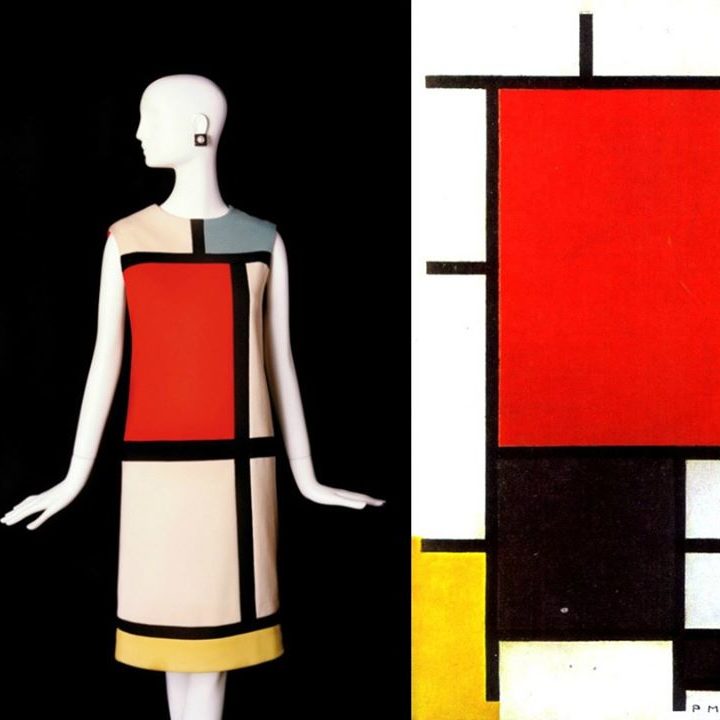
Twenty years ago, Yves Saint-Laurent, the most artistic of French couturiers, presented his last show in Beaubourg. In his fashion house created in 1962, he has never ceased, throughout his collections, to maintain a dialogue with art: painting, sculpture, literature, theater or cinema have nourished his imagination and his creations. It now enters the museum, further recognition of its creation as a national heritage. In a new format, YVES SAINT LAURENT AUX MUSÉES is an anniversary exhibition that is taking place in six Parisian museums: the Centre Pompidou, the Musée d’Art Moderne de Paris, the Louvre Museum, the Musée d’Orsay, the Musée National Picasso-Paris and the Musée Yves Saint Laurent Paris. It illustrates the continuity and deep unity of the links that the couturier weaves with art but also with French public collections. Supported by the Pierre Bergé – Yves Saint Laurent Foundation, the exhibition YVES SAINT LAURENT AUX MUSÉES, created by games of rapprochement and references, a dialogue between certain models, among the most iconic of the couturier, but also beautiful discoveries less known to the public, and the permanent collections of various Parisian museums.

At the Centre Pompidou, at the heart of the Musée national d’art moderne, the tour approaches the work of Yves Saint Laurent as that of an artist deeply rooted in his time and as a witness to the evolution of artistic creation in the twentieth century. Absolute master of this period, Picasso holds a special place in the work of the couturier as evidenced by the games of quotations proposed at the Musée National Picasso-Paris. Sensitive to the correspondences between the arts, Yves Saint Laurent never ceases to juggle between rhythms and colors, lights and materials, like the dialogues set out at the Musée d’Art Moderne in Paris, which alternate monumental rooms and more intimate sequences. At the Louvre Museum, it is the couturier’s fascination for light, for gold – the color of the sun – for the decorative arts but also and especially for the great pageantry that is honored in the gallery of Apollo. However, all these trajectories that respond to each other cannot be apprehended without questioning the role and place that Marcel Proust occupies in the imagination of the couturier. This Proustian passion, as well as the question of gender through male-female dress codes, are explored at the Musée d’Orsay.

At the Centre Pompidou, Mouna Mekouar, curator of these six exhibitions, and curators Christian Briend and Marie Sarrey, revealed Saint-Laurent’s interest in Africa. The coat in red raffia and wooden beads, reminiscent of Dogon ritual clothes, dialogue with André Breton’s cabinet of curiosities, the black dress with conical chest in organza embroidered with plastic beads coexists with the Unpleasant Object of the sculptor Alberto Giacometti. At the Picasso Museum, the couturier borrows from the cubist aesthetic of the great master, eternal games of construction and deconstruction. In 1979, Saint-Laurent dedicated a complete autumn-winter collection to the Spanish painter, like this dress that takes up the asymmetrical faces in the painter’s eye.

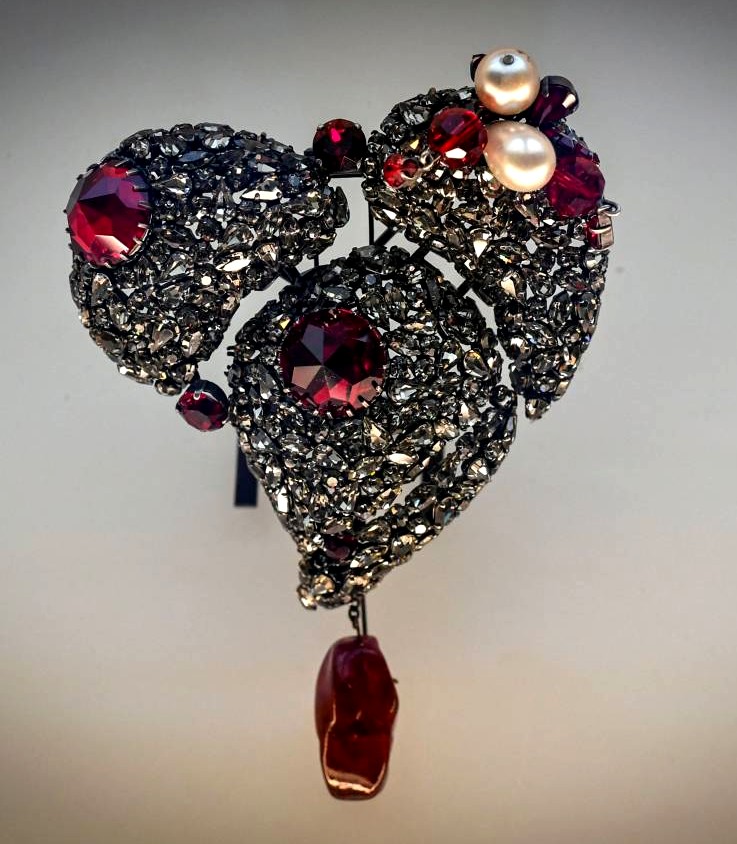
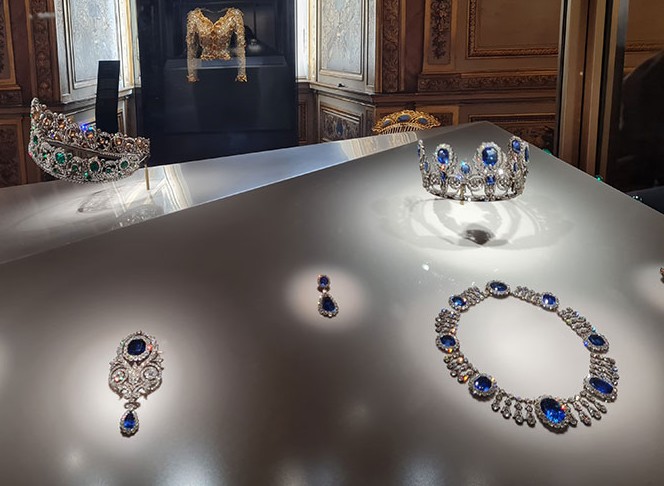
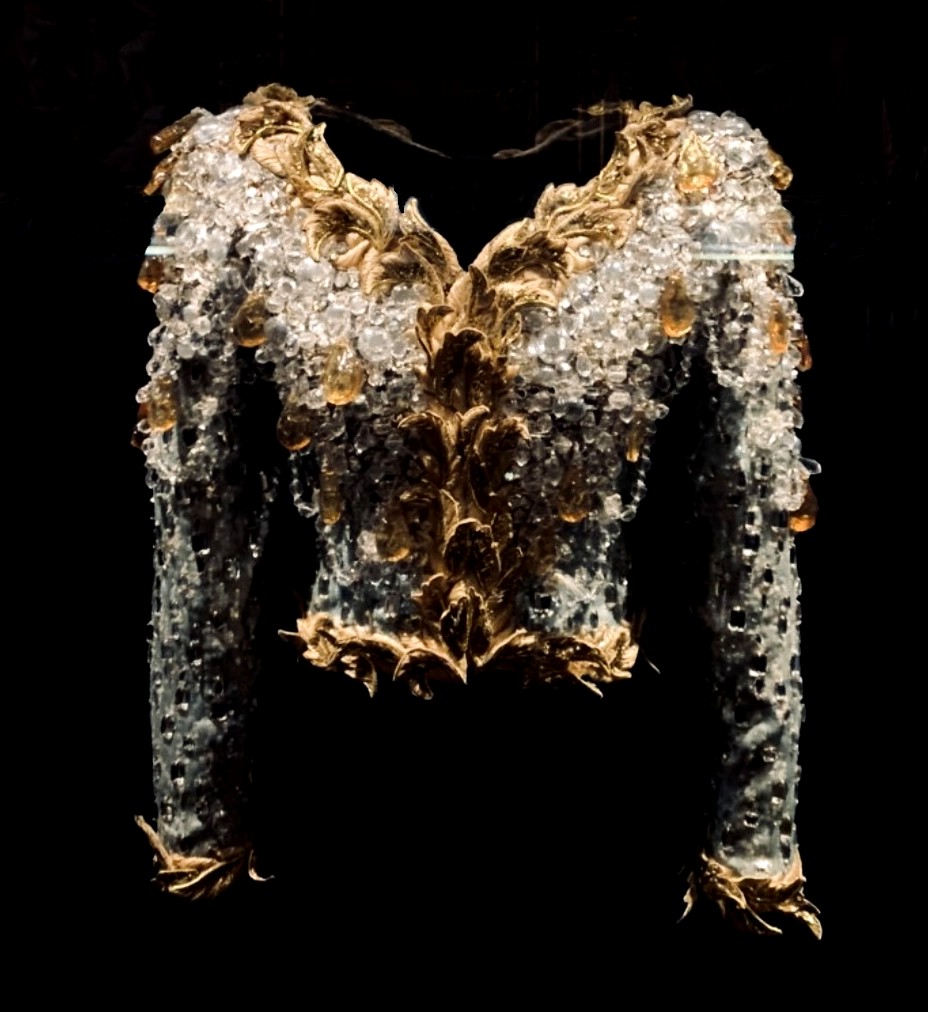
At the Louvre, in the Apollo Gallery, the art department of the world’s largest museum houses crown diamonds. Four embroidered jackets compete with the goldsmith’s shop, including the famous Rhinestone Heart, a brooch worn by one of his models during each show.

Marcel Proust’s work was very dear to Yves Saint-Laurent. The Musée d’Orsay has chosen the Salon de l’Horloge to exhibit the dresses worn in 1971 by Jane Birkin and Marie-Hélène de Rothschild for the ball organized by the latter in her castle of Ferrières to celebrate the hundredth anniversary of the birth of Marcel Proust. Yves Saint Laurent created Belle Époque-inspired dresses for Nan Kempner, Hélène Rochas, Jane Birkin and the mistress of the place. They coexist here with different tuxedos, iconic pieces of the couturier, reinvented year after year, a garment that transferred the codes of male power to women.

“I am a failed artist,” yves Saint-Laurent said in a press interview in 2000, admitting to having drawn from the greatest artists of his time. Through his models, it is indeed a whole culture, a whole artistic universe that is expressed. Because in his creative power, Yves Saint Laurent reinvents, with rigor and fantasy, all the plastic heritage of the world. In this perspective, this vast project of exhibitions envisages the creation of Yves Saint Laurent, as crossed by different cultures and temporalities.

Echoing the masterpieces presented in the permanent collections of the partner museums, part of the archives of the fashion house – preciously gathered by Pierre Bergé and Yves Saint Laurent – are presented at the Yves Saint Laurent Museum Paris.

January 29 – May 15, 2022

MUSEE D’ORSAY

MUSEE du LOUVRE

MUSEE PICASSO

CENTRE GEORGES POMPIDOU

MUSEE d’ART MODERNE de la VILLE de PARIS

MUSEE YVES SAINT-LAURENT Paris

James McNeill Whistler

Chefs-d’œuvre de la Frick Collection, New York 

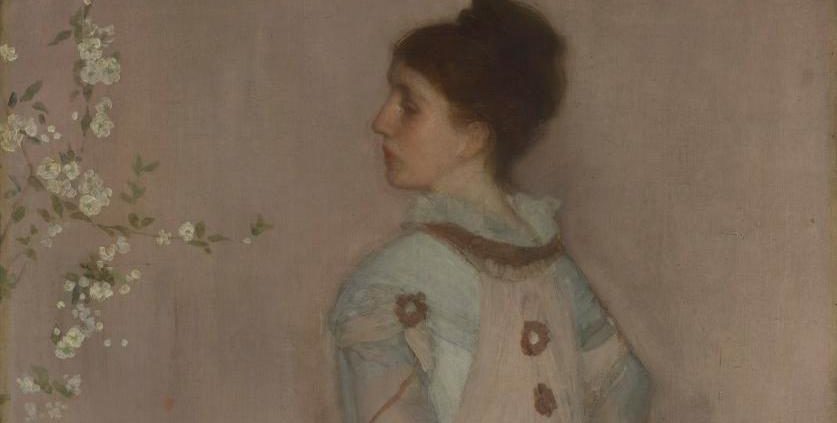
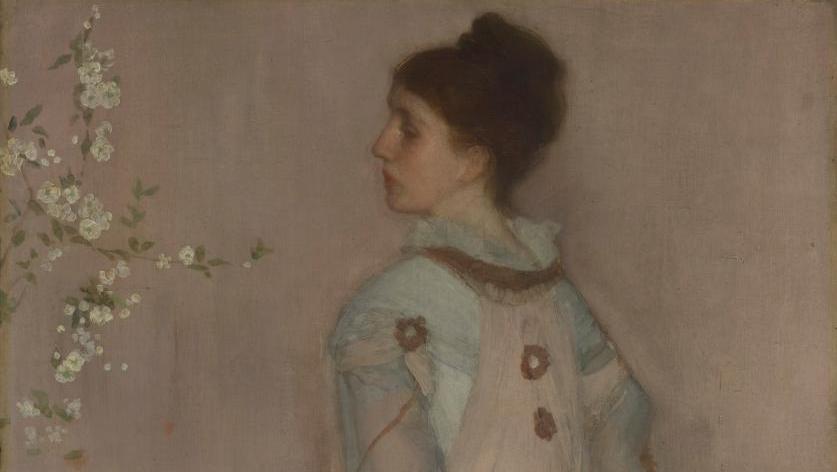
The Frick Collection, opened to the public in 1935 in the New York mansion of industrial magnate and collector Henry Clay Frick (1849-1919), is one of the most important museums of European art in the United States. Thanks to the closure of the institution for work and the temporary presentation of the collections at the “Frick Madison” between 2021 and 2023, an important set of works by the American painter James Abbott McNeill Whistler (1834-1903) leaves New York for the first time in more than a century to be presented at the Musée d’Orsay.

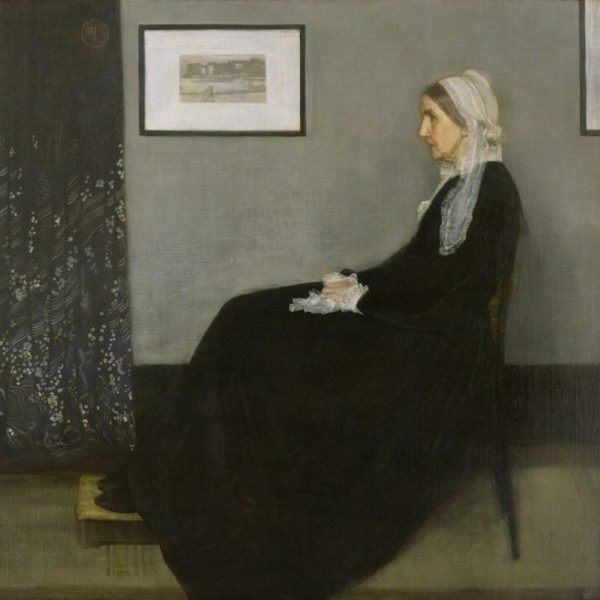
Along with the United States and the United Kingdom, France is one of the painter’s three homelands. Born in 1834 in Massachusetts, Whistler apprenticed and began his career in Paris between 1855 and 1859. After his installation in London, the artist kept a privileged link with the Parisian art scene, exhibiting alongside the refused in 1863 and becoming in the 1890s one of the “lighthouses” of the new symbolist generation. In 1891, the French State bought his masterpiece: Arrangement in grey and black: portrait of the artist’s mother. On the same date, Henry Clay Frick built his collection, and in the early 1910s, opened it to the art of the late nineteenth century. He purchased eighteen of Whistler’s works – paintings and graphic arts – making this artist one of the best represented in his collection.

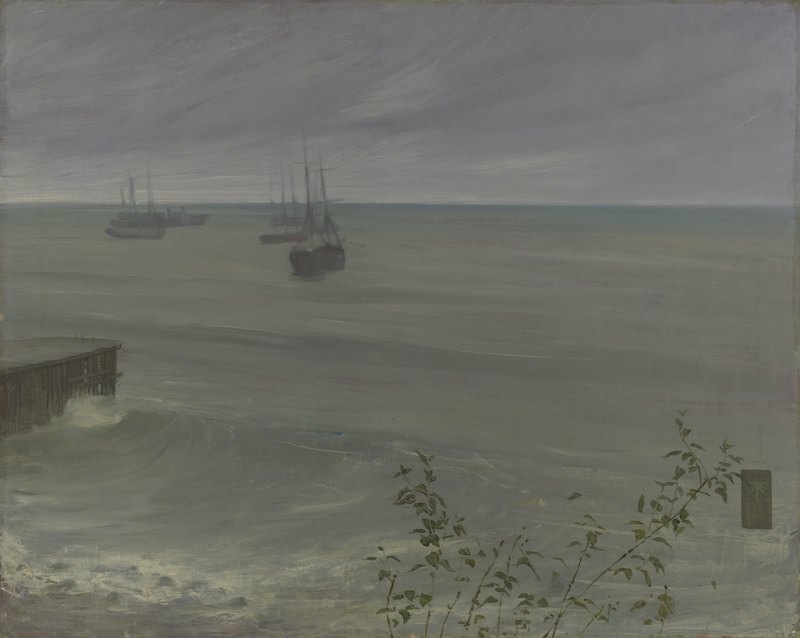
At the Musée d’Orsay are presented the astonishing landscape The Ocean, painted by Whistler during a trip to Chile, three pastels and twelve prints with Venetian subjects, and three large portraits representative of his famous “symphonies in white” and “arrangements in black”: the portrait of Mrs Frederick Leyland (masterpiece of the Aesthetic Movement), the portrait of Rosa Corder, and finally that of the extravagant aesthete Robert de Montesquiou-Fezensac. The latter, one of the last paintings painted by Whistler, is probably the most modern work in Frick’s collection. While the year 2022 is placed under the sign of Marcel Proust, whose centenary of death we will celebrate, this effigy also reminds us of the influence of Montesquiou and Whistler in the development of La Recherche and the creation of the characters of Baron de Charlus and the painter Elstir.

February 2 – May 8, 2022

MUSEE D’ORSAY

Esplanade Valéry Giscard d’Estaing 75007 Paris

Thierry Mugler

COUTURISSIME

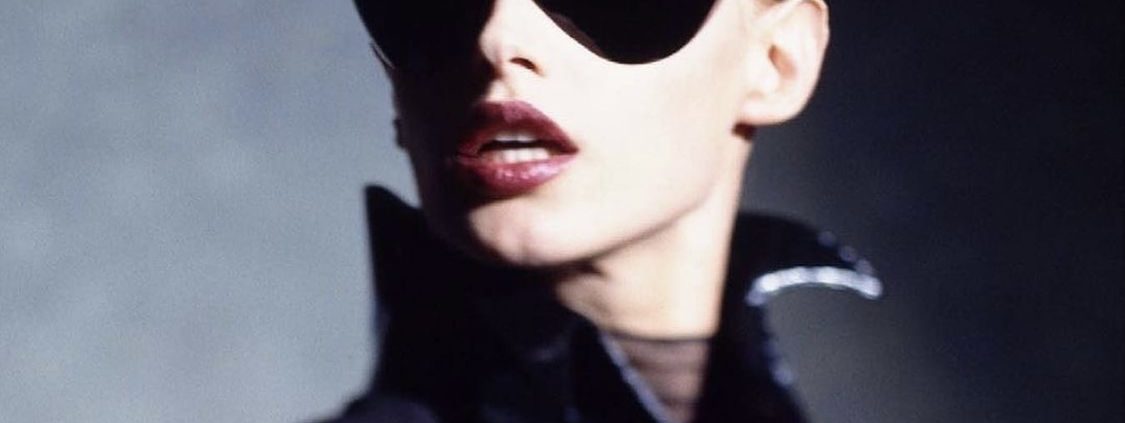
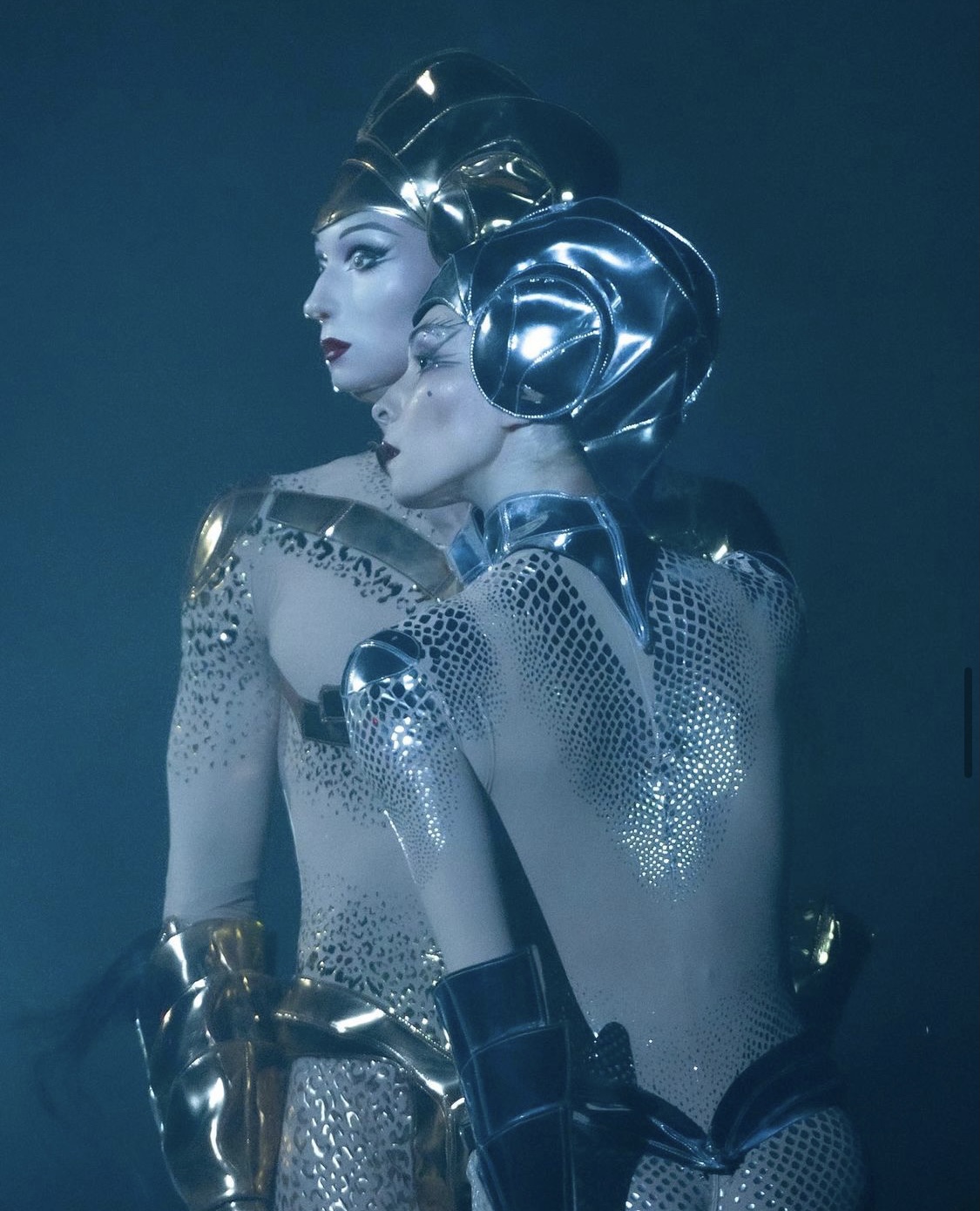
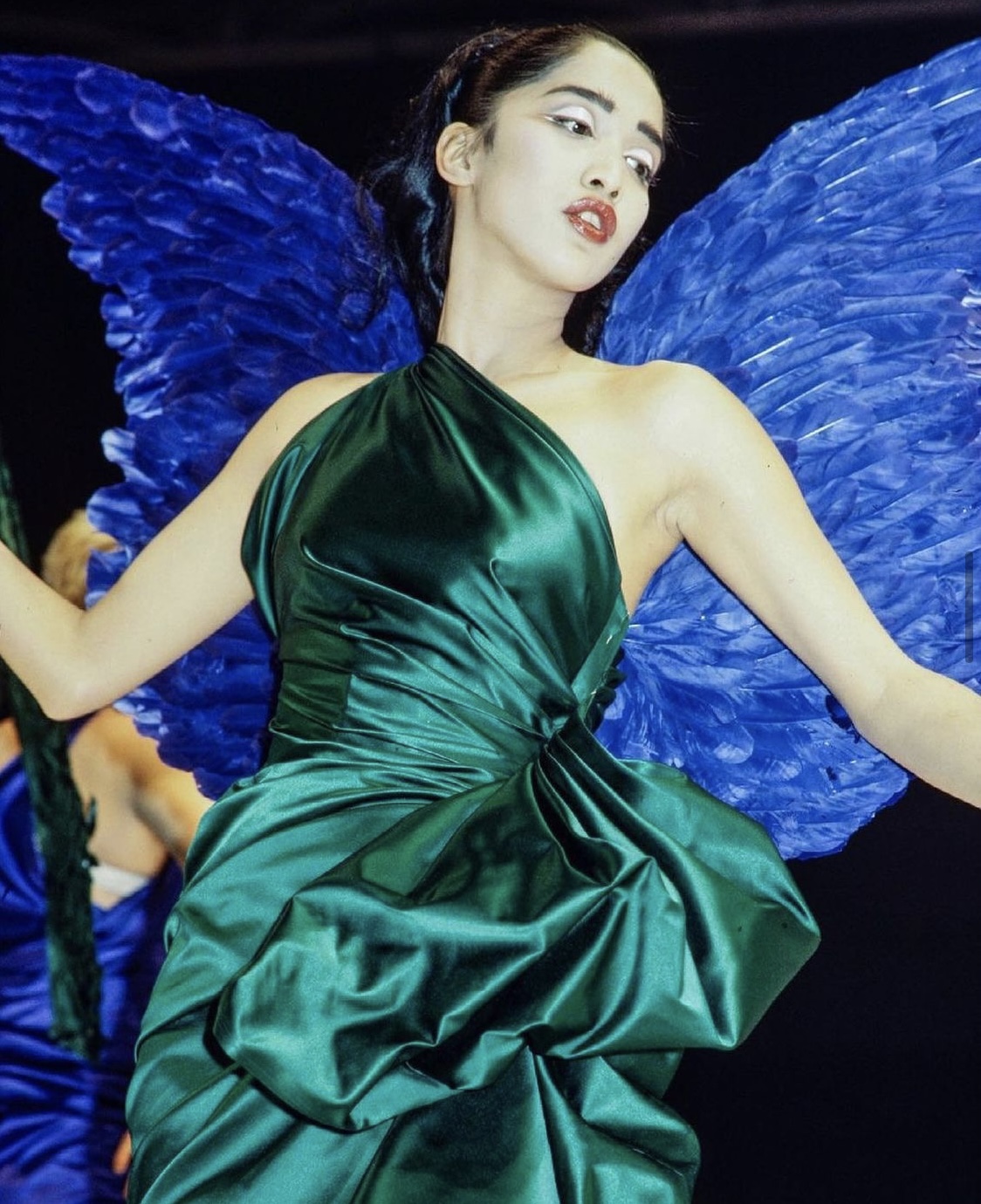
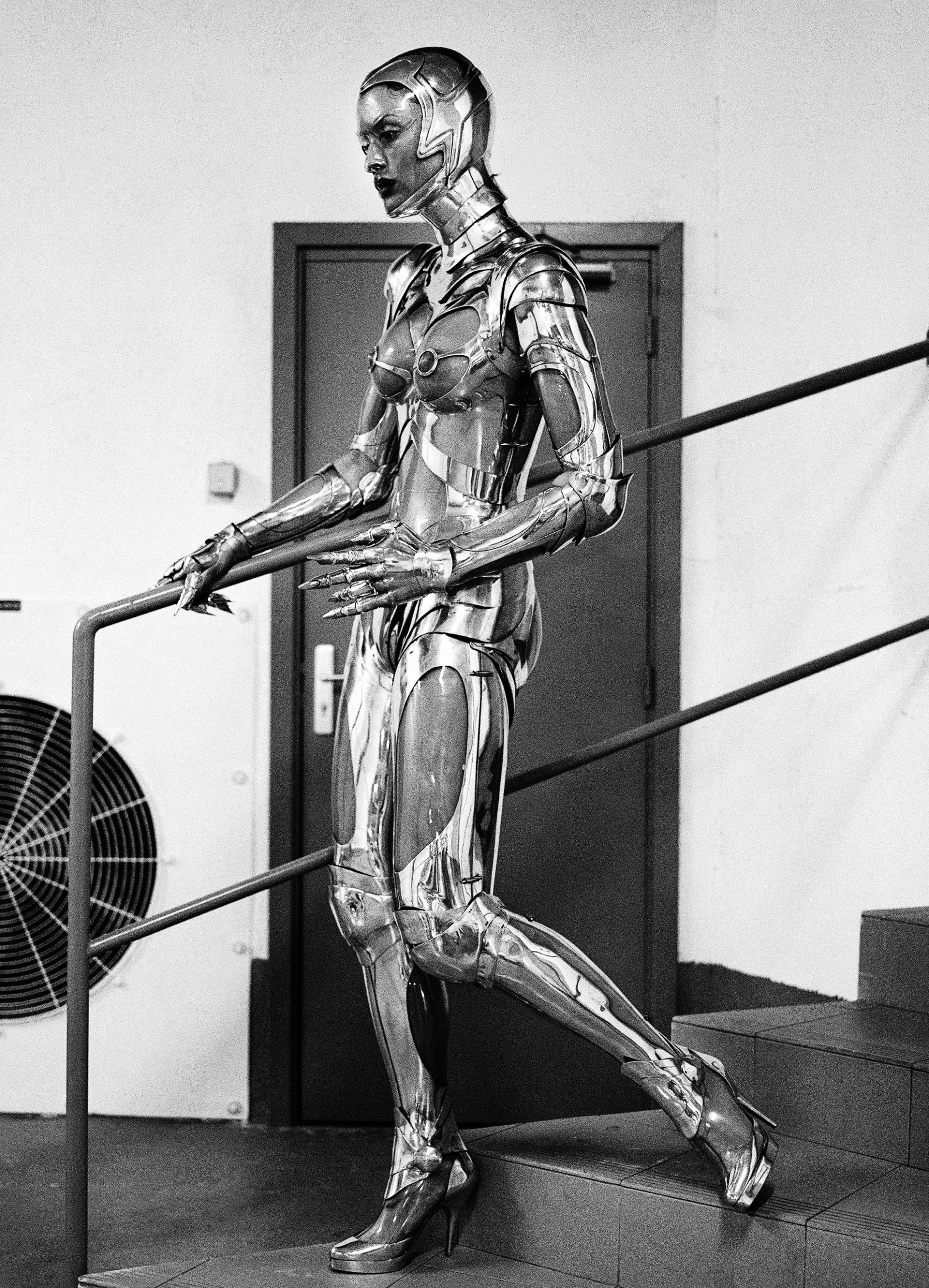
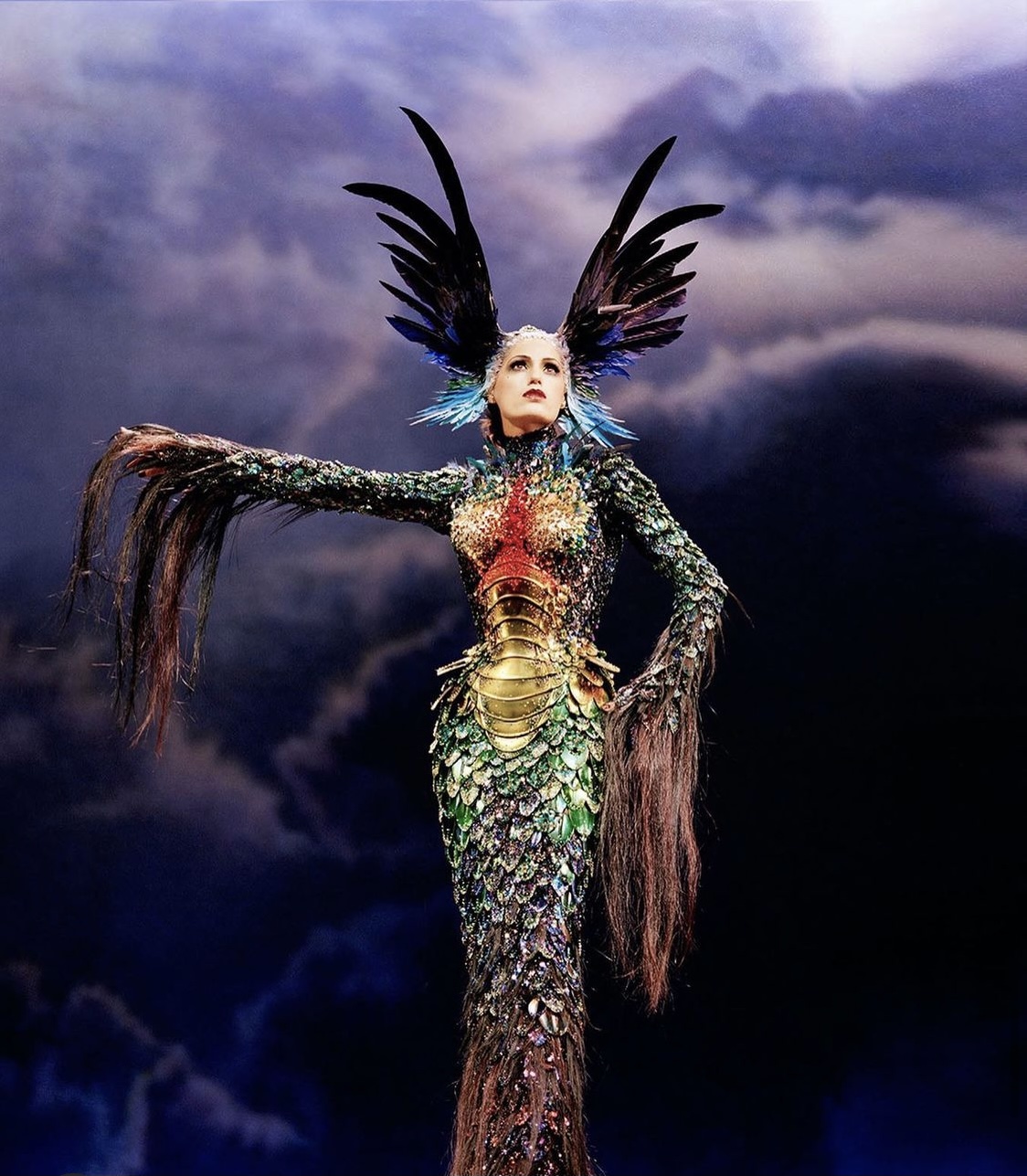
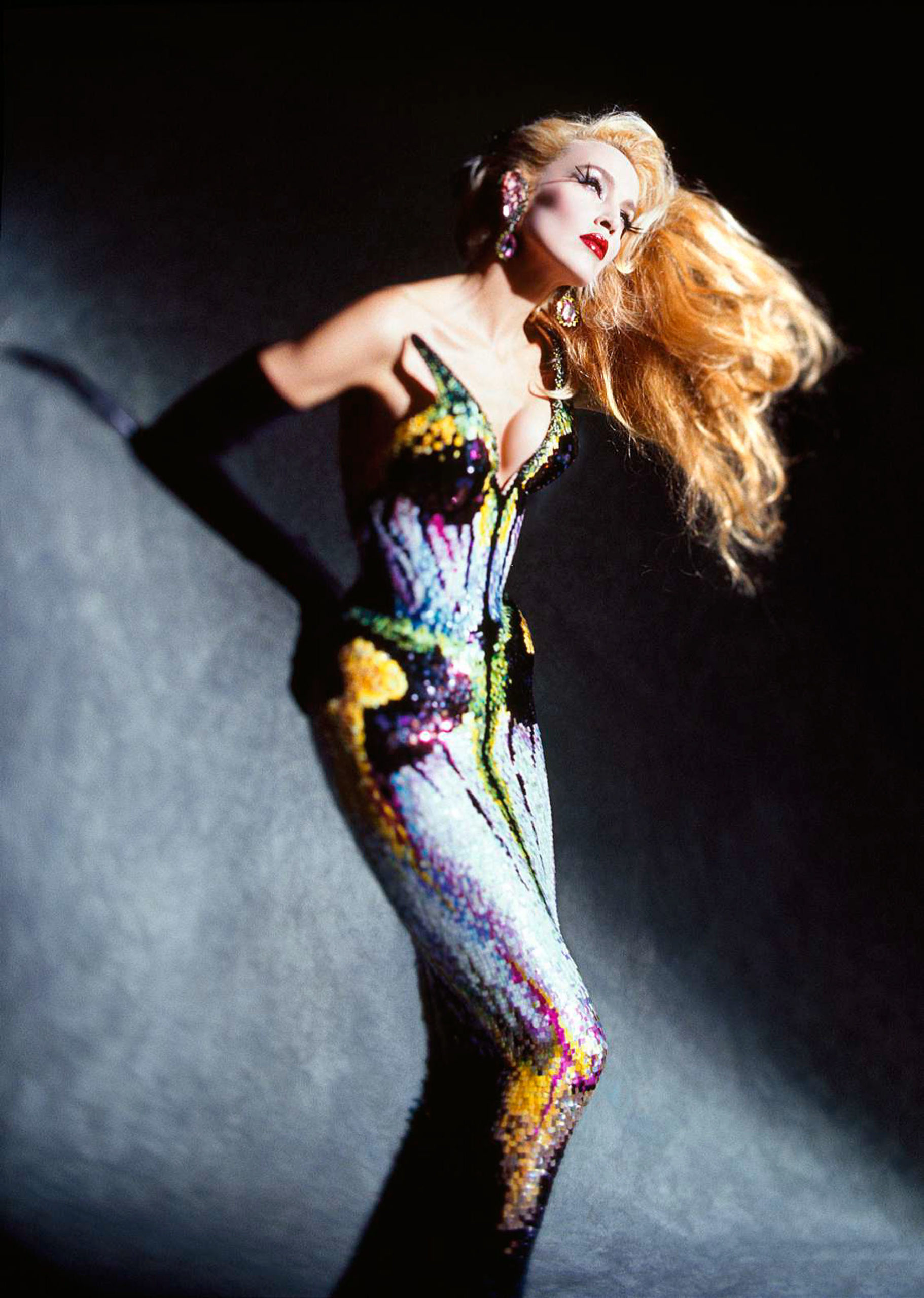
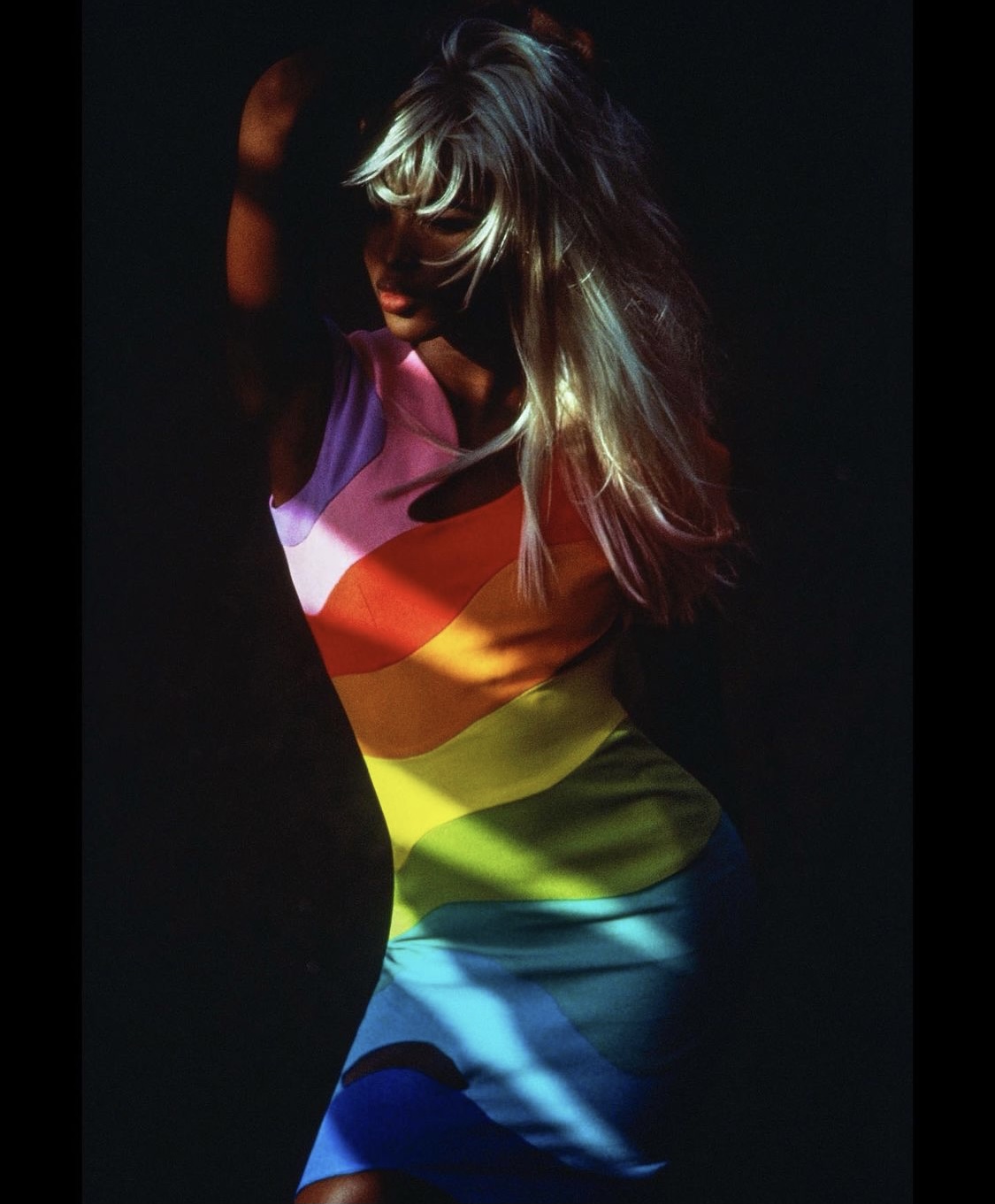
Far from a classic retrospective, Thierry Mugler, Couturissime will encapsulate the life and energy that defined the historic collaborations between Thierry Mugler and his creative alter-ego Manfred. The exhibition will be presented in the newly renovated Christine and Stephen A. Schwarzman Fashion Galleries of the Musée des Arts Décoratifs. From the 1970’s until 2002 when Mugler turned the page on fashion, the creator established himself as one of the most daring and innovative couturiers of his time, creating silhouettes of remarkable potency often hailed as the embodiment of the 1980’s through the lens of fashion. In the 1990’s, Mugler galvanized the renaissance of haute couture through his bold collections and spectacular understanding of scenography, exemplified in his fashion shows and catwalks, which included the use of grandiose photography and the most iconic models of the day.

The exhibition, organized in several acts like a classic opera, thematically blends costumes, animated projections, photographs and music, creating varying atmospheres that personify the numerous projects Mugler has championed since the end of the 1970’s. Displayed on two floors of the Musée des Arts Décoratifs, the exhibition’s opening aquatic theme evokes an eccentric world of fantasy-inspired fauna in which excess abounds, from the ocean’s surface to the depths of the sea.

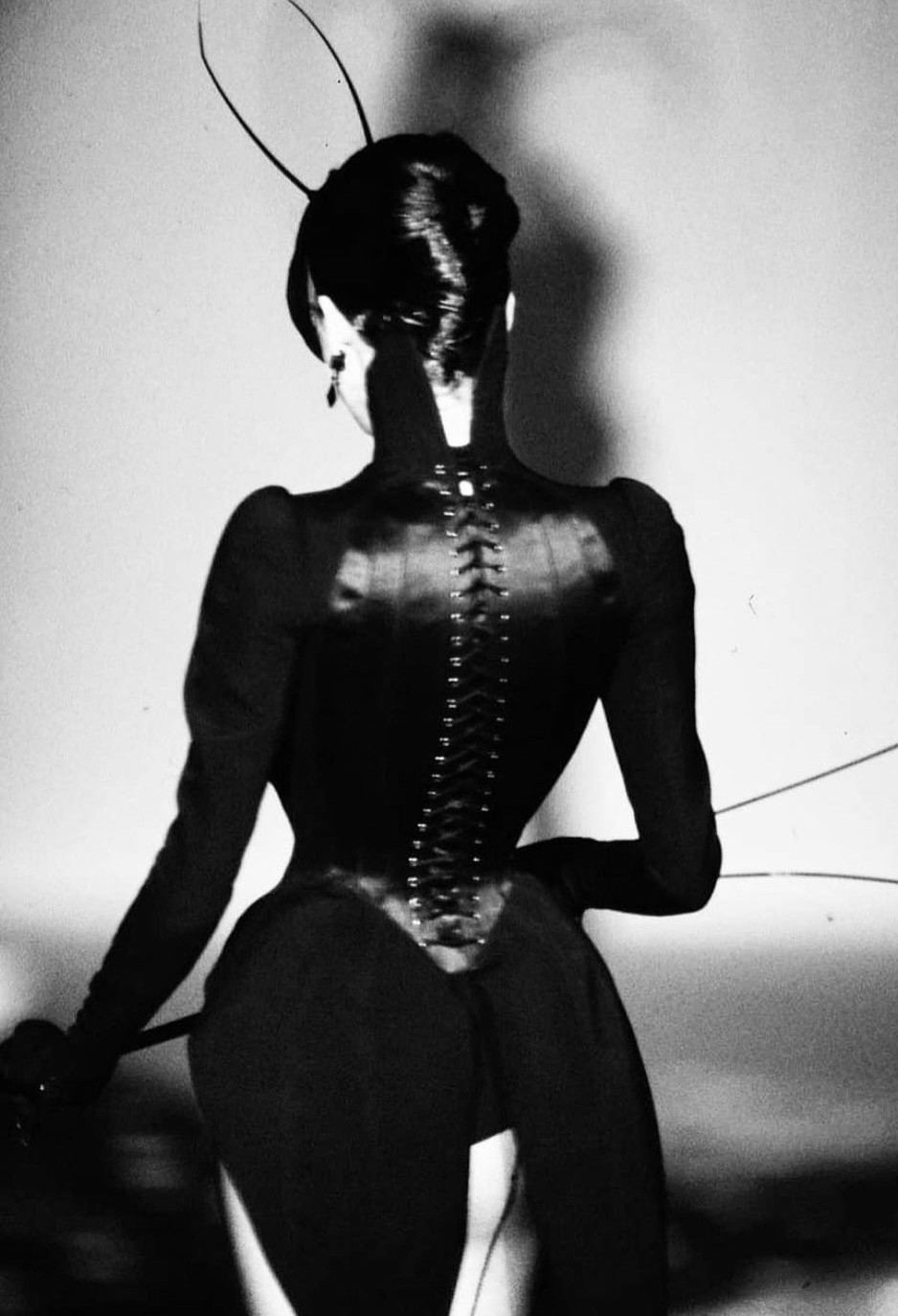
The following segment highlights two flamboyant silhouettes from Mugler’s Insect and Chimères Collection of 1997/1998 – futuristic silhouettes with high, piercing shoulders, plunging décolletés, and surreal hourglass waistlines. The first exhibited silhouette includes a black velvet sheath and train adorned with butterfly wings created by the Maison Lemarié, covered in iridescent scales and embroidered with crystals, costume diamonds, feathers and horsehair, all representative of the extravagance of Mugler’s couture. The second installation depicts Nymphs donning scalloped glass and shell bustiers alongside extravagant organza jellyfish evoking the imagery of Jules Verne’s Twenty Thousand Leagues Under the Sea. The theme of Science Fiction succeeds the animal and aquatic kingdoms as animated super heroines, industrial design and futuristic automobiles become new sources of inspiration.

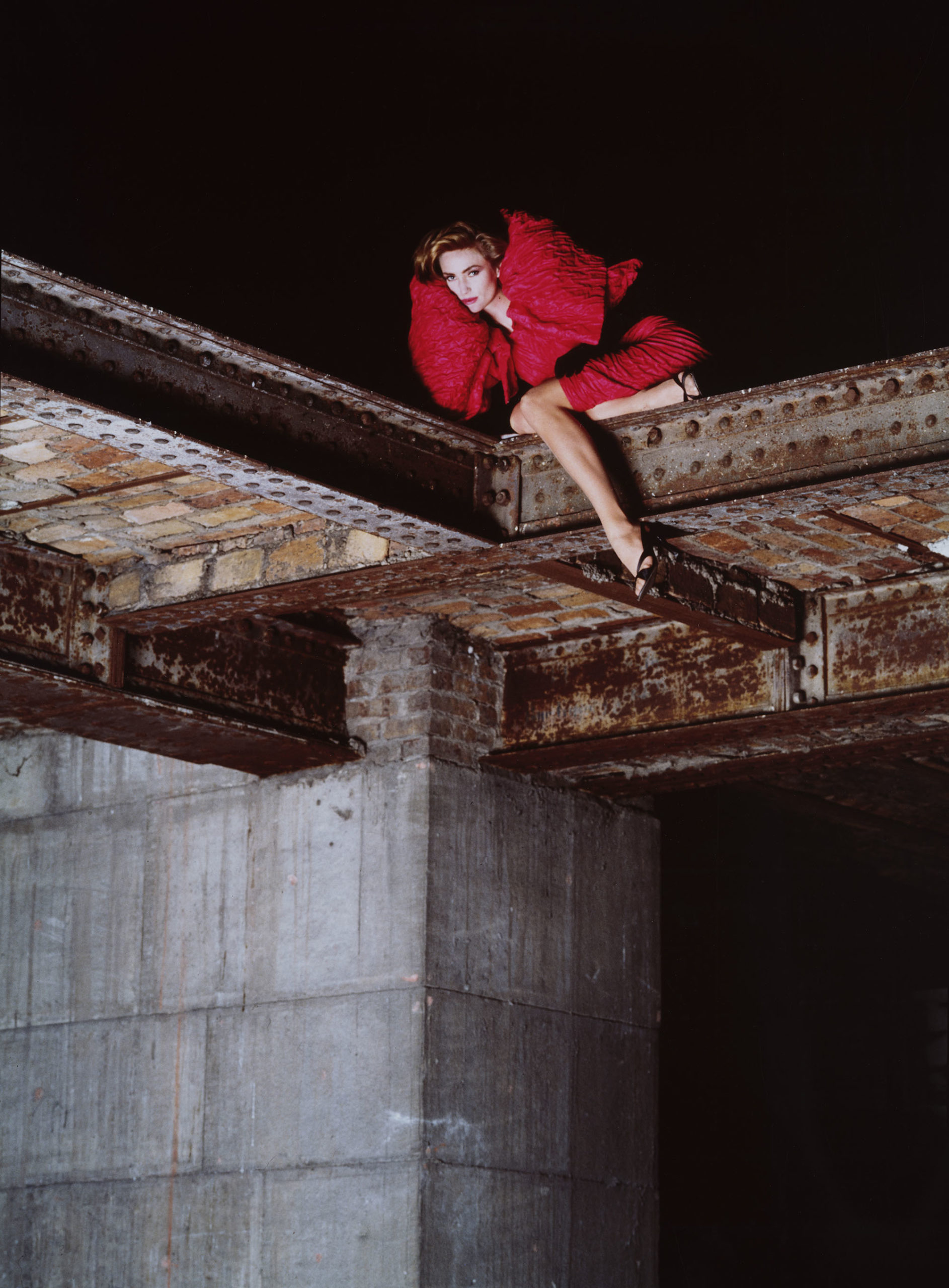
From the end of the 1960’s, fashion photography asserted itself as an art form, replacing illustrations which had once reigned supreme. Beginning on the second floor, Thierry Mugler, Couturissime gives pride of place to this artistic medium with numerous rare prints signed by artists and photography greats including Guy Bourdin, Jean-Paul Goude, Karl Lagerfeld, Dominique Issermann, David LaChapelle, Luigi & Iango, Sarah Moon, Pierre et Gilles, Paolo Roversi, Herb Ritts and Ellen von Unwerth, while also highlighting the timeless collaboration between Thierry Mugler and photographer Helmut Newton.

This room is dedicated to the photographic achievements of Mugler himself who, in 1976, began photographing his own visual campaigns, playing on the glamour and beauty of his muses, from Jerry Hall to Iman, in exotic locations such as Greenland, the Sahara Desert, and the rooftop of the Paris Opera House.

In the late 1970’s, Mugler created his acclaimed “Glamazon,” a chic, modern, glamorous urban woman whose style was selected in direct opposition to the flower power, hippie fashions of the time. In black and white décor, Mugler’s crystal creations arouse the temptations of eroticism and fetishism, with exposed creations that combine latex and vinyl, subversive materials that Mugler elevated to the level of classics.

Music takes pride of place with George Michael’s song and music video “Too Funky,” which Mugler directed in 1991. The fashion ensembles for the video were worn throughout the 1990’s by top models of the day, including Eva Herzigova, Linda Evangelista, Emma Sjöberg, Estelle Lefebure, transgender model Connie Girl, and performers Joey Arias and Julie Newmar, the first “Catwoman.” It also pays tribute to the eight-time Oscarwinning American costume designer, Edith Head. Mugler’s catwalks launched the phenomenon of celebrities-as-models, inviting Hollywood celebrities such as Diana Ross, Tippi Hedren and Sharon Stone to participate as models, staging elaborate backgrounds and producing original soundtracks for their walks.

Finally, the exhibition showcases costumes designed by the artist for the stage, including works devised for the theatrical production of Macbeth presented by the Comédie-Française at the Festival d’Avignon in 1985. Mugler’s design for the character of the first witch, along with his original sketches displayed in life-sized proportions on the wall and a multimedia installation by Michel Lemieux (4D Art), are just a few examples of the designs intended to transport the visitor back to this tragic Shakespearean world.

Thierry Mugler, Couturissime is an opportunity to discover and rediscover the brilliance of this artist, and in turn, dancer, man of the stage, photographer and designer – an artist who marked his time by revolutionizing the world of fashion through his creations with sculptural morphologies that are both futuristic and elegant. Mugler’s distinctive style transcends fashion, having influenced generations of artists to this very day.

september 30, 2021 – april 24, 2022

MAD

107-111 rue de Rivoli 75001 Paris

MASTERWORKS OF MODERN PHOTOGRAPHY 1900-1940

Collection Thomas Walther

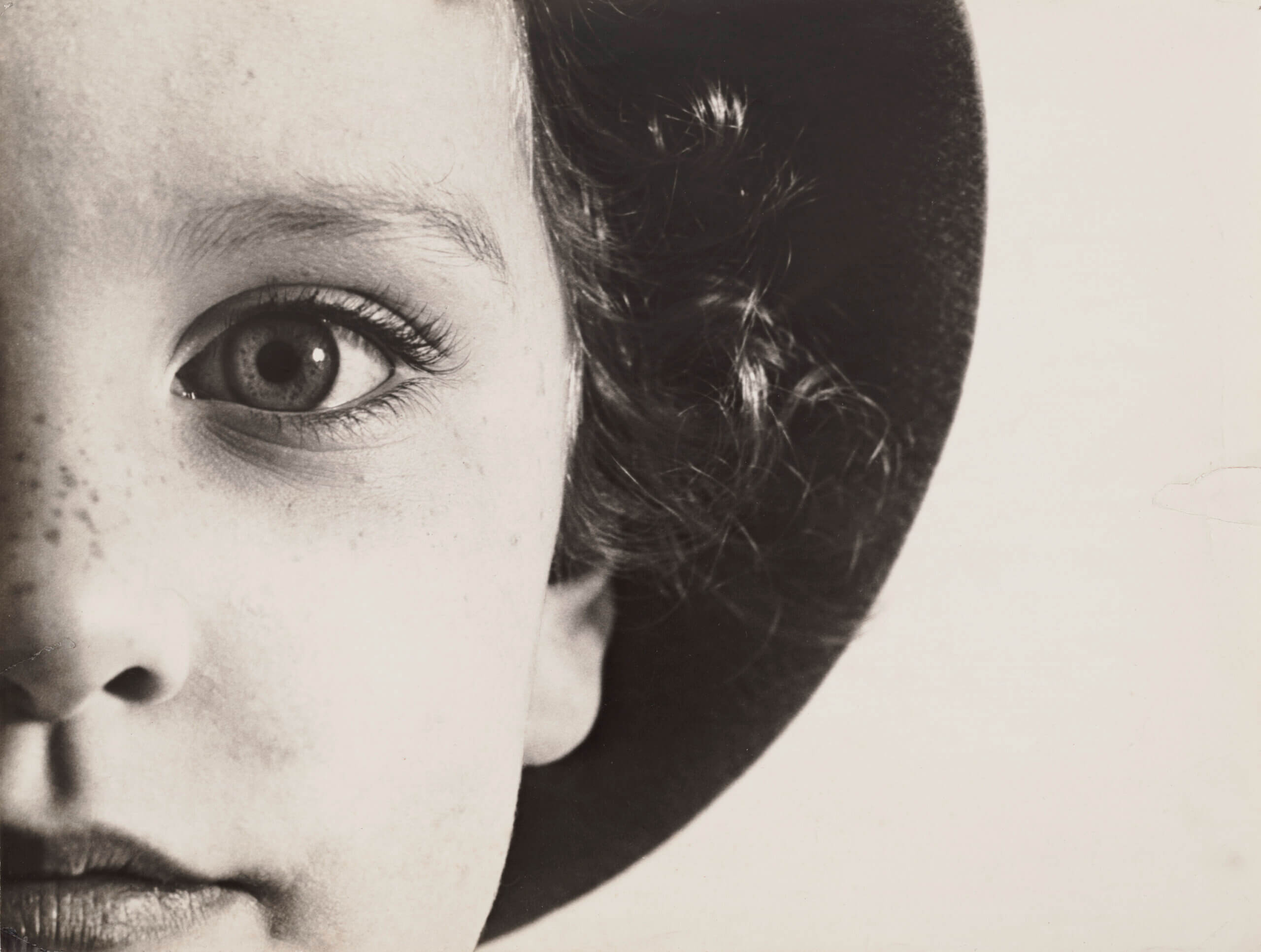
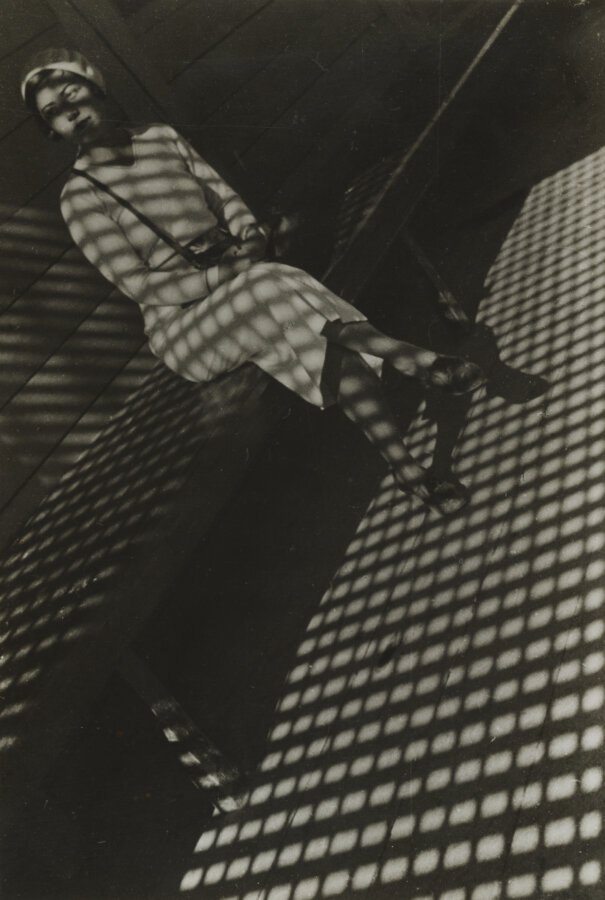
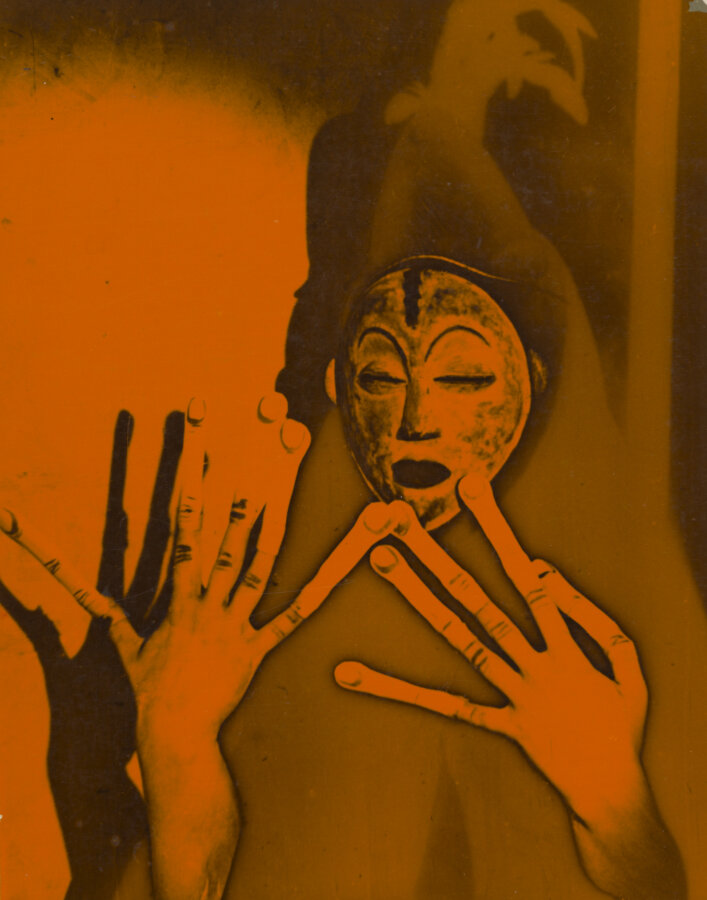
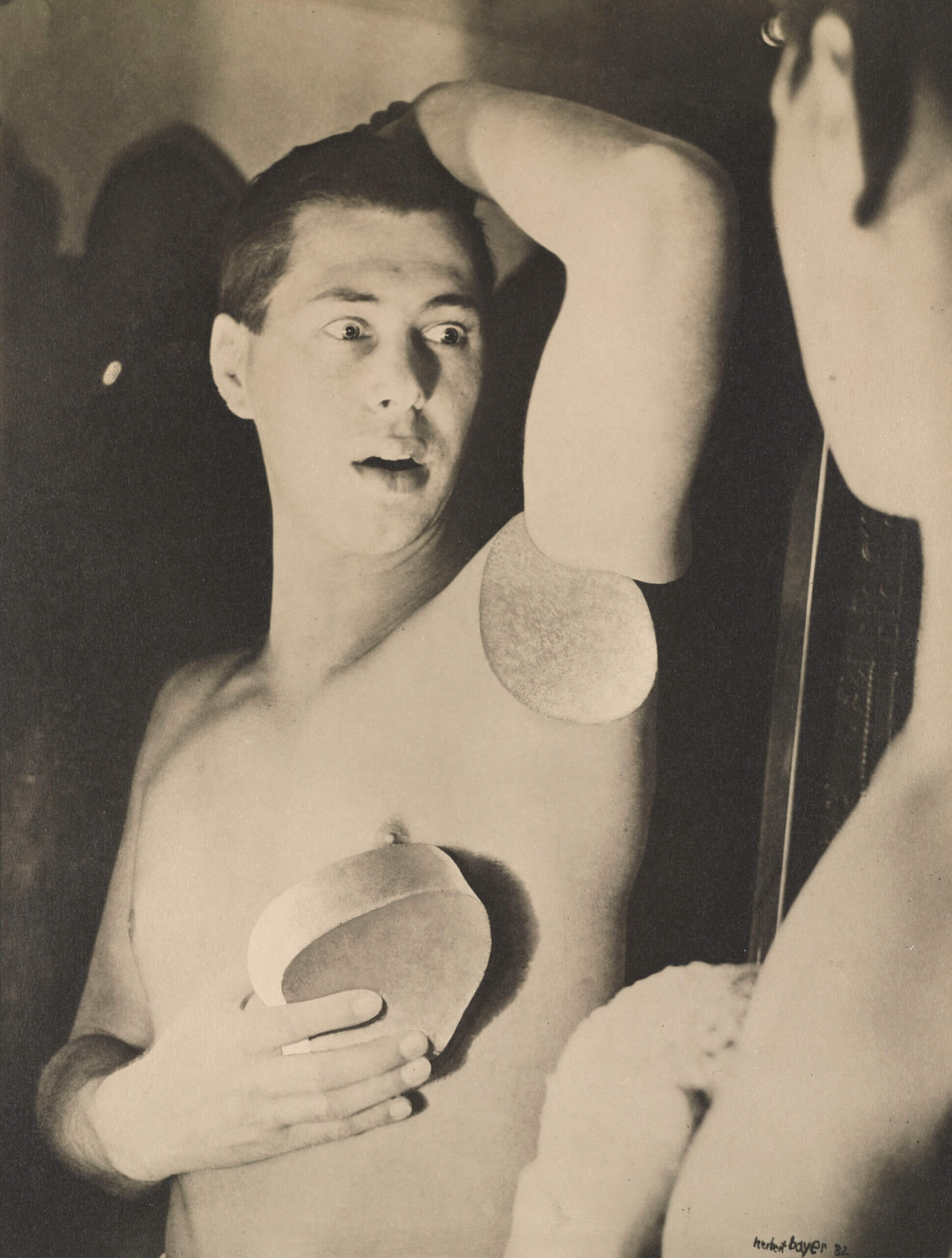
In 2001 and 2017, The Museum of Modern Art in New York acquired more than 350 photographs from the collector Thomas Walther. This collection, which is now one of the pillars of MoMA’s modern collection, is presented for the first time in France in an exhibition of some 230 images.

Comprising iconic works from the first half of the twentieth century, the exhibition provides a history of the European and American photographic avant-gardes. Through the works of a hundred or so photographers, from Berenice Abbott to Karl Blossfeldt, from Claude Cahun to El Lissitzky, from Edward Weston to André Kertész, this fusion of masterpieces and lesser-known images traces the history of modernity in photography. Mixing genres and approaches—architecture and urban landscapes, portraits and nudes, reportage, photomontage, experimentation, etc.—the exhibition delves deep into the artistic networks of the inter-war period, from the Bauhaus to Surrealist Paris, via Moscow and New York.

In their visually radical inventiveness, these images capture perfectly the utopian spirit of those who wanted to change images in order to change the world; now we fully understand the words of the photographer and theoretician Lázló Moholy-Nagy who, a century ago, stated that «the illiterate of the future will be ignorant of the camera and the pen alike.».

du 14 september 14, 2021 – february 13, 2022

JEU DE PAUME

1, place de la Concorde 75001 Paris

Picasso / Rodin

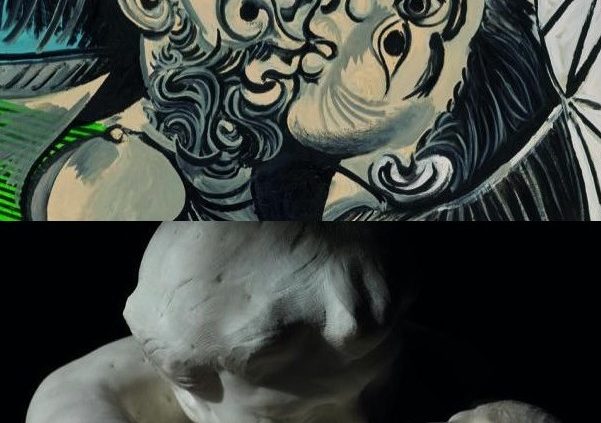
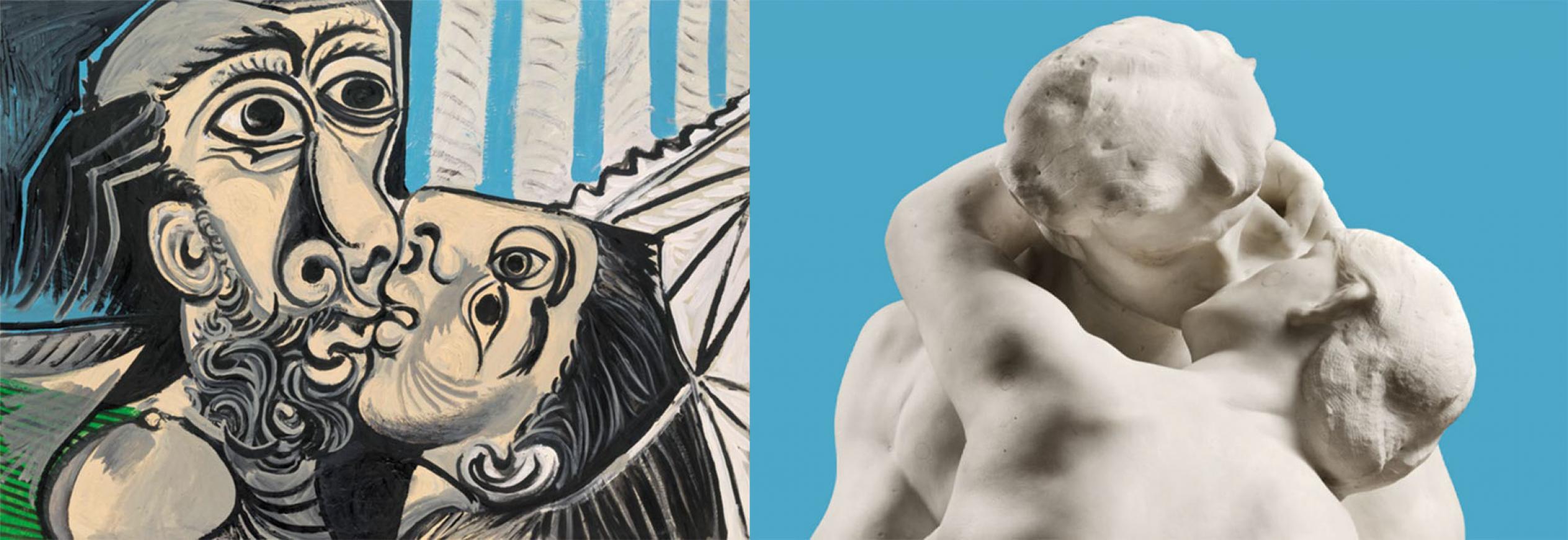
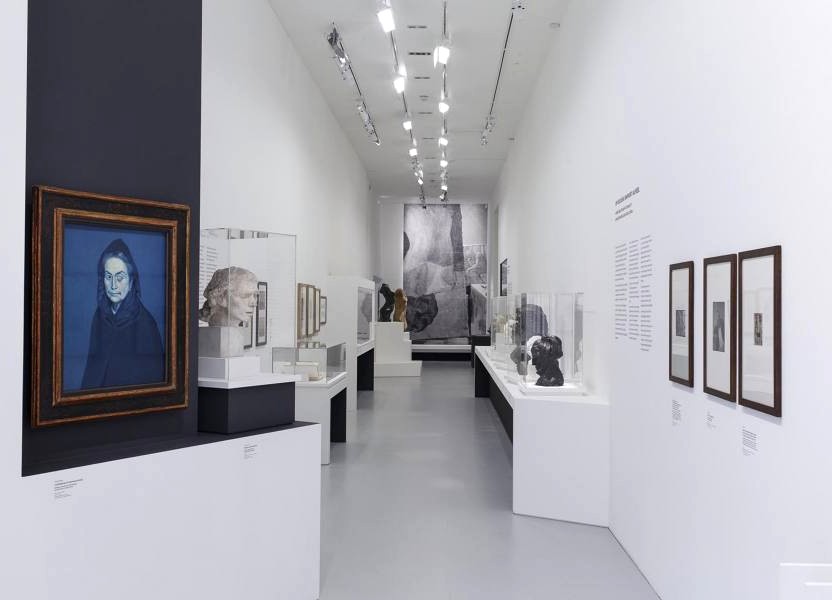
The Musée Rodin and the Musée National Picasso-Paris are joining forces for the first time to present the “Picasso-Rodin” landmark exhibition.This unprecedented partnership between two major single-artist museums casts a new light on two creative geniuses who paved the way for modernity in art. Their masterpieces are presented simultaneously in the two historic buildings that house these national museums.

The exhibition proposes a new comparative view of the works of Rodin (1840-1917) and Picasso (1881-1973), who each had a profound and lasting impact on the art of their time and that of the generations to come. The exhibition does not aim to show what Picasso borrowed from Rodin, but rather to explore how elements of Rodin’s oeuvre merged with periods in Picasso’s artistic career.

This comparative view of the two great artists takes a different form at each venue:  the Musée Rodin looks at the crisis of representation in the early 20th century, while the Musée Picasso focuses on their creative processes. At different times and in different contexts, Rodin and Picasso both experienced major historical upheavals that could provide a clue to their similarities.

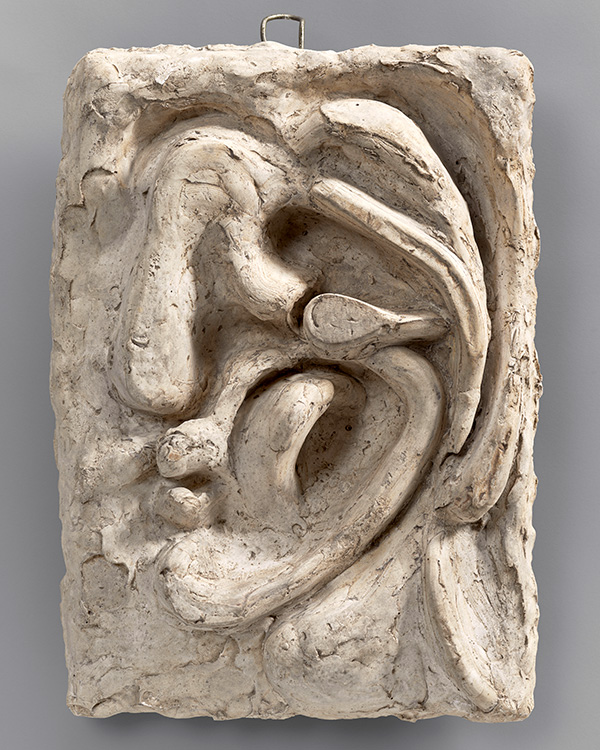
Each in his own way, they invented a new form of representation – expressionist in Rodin’s case and cubist in Picasso’s. They both preferred to work in their studios, experimenting with forms and materials and developing innovative approaches involving serial projects, fragmentation, assemblage and détournement. Both artists were constantly evolving in their exploration of the ever-changing world around them.
This two-part exhibition, featuring over 500 works, paintings, sculptures, ceramics, drawings, archival documents and photographs, offers a new take on the intensely creative careers of two pioneering artists.

July 1, 2021 – january 2? 2022

Musée Rodin
77 rue de Varenne 75007 Paris

Musée national Picasso
5 rue de Thorigny 75003 Paris

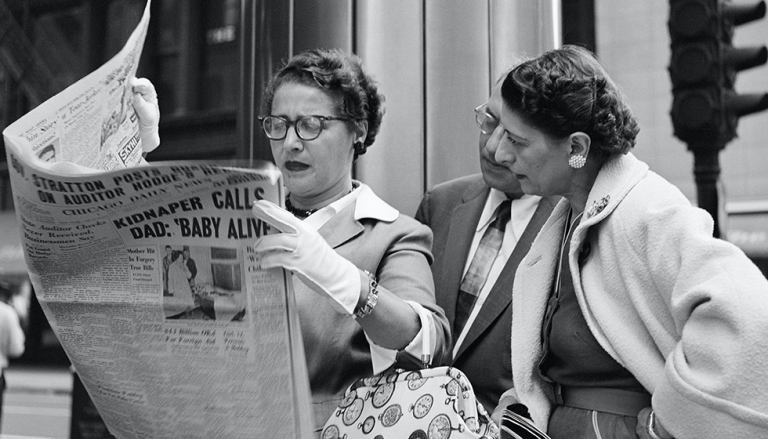
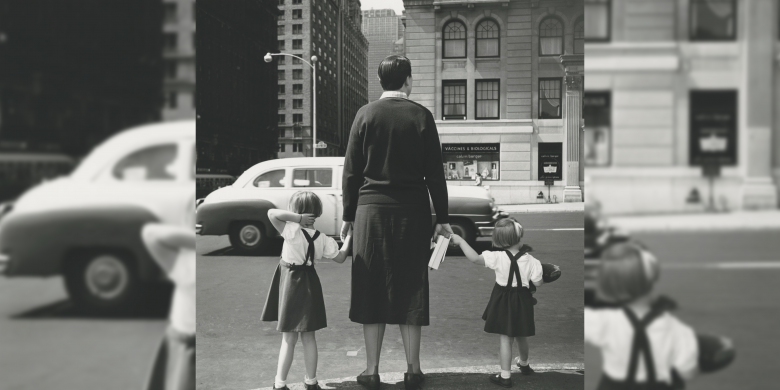
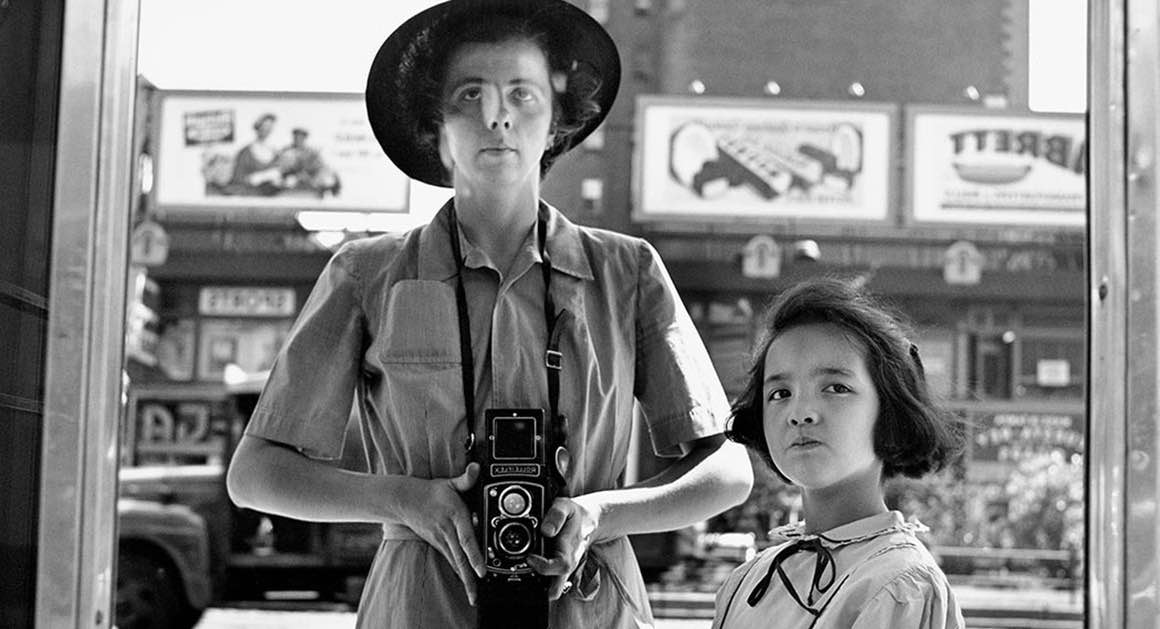
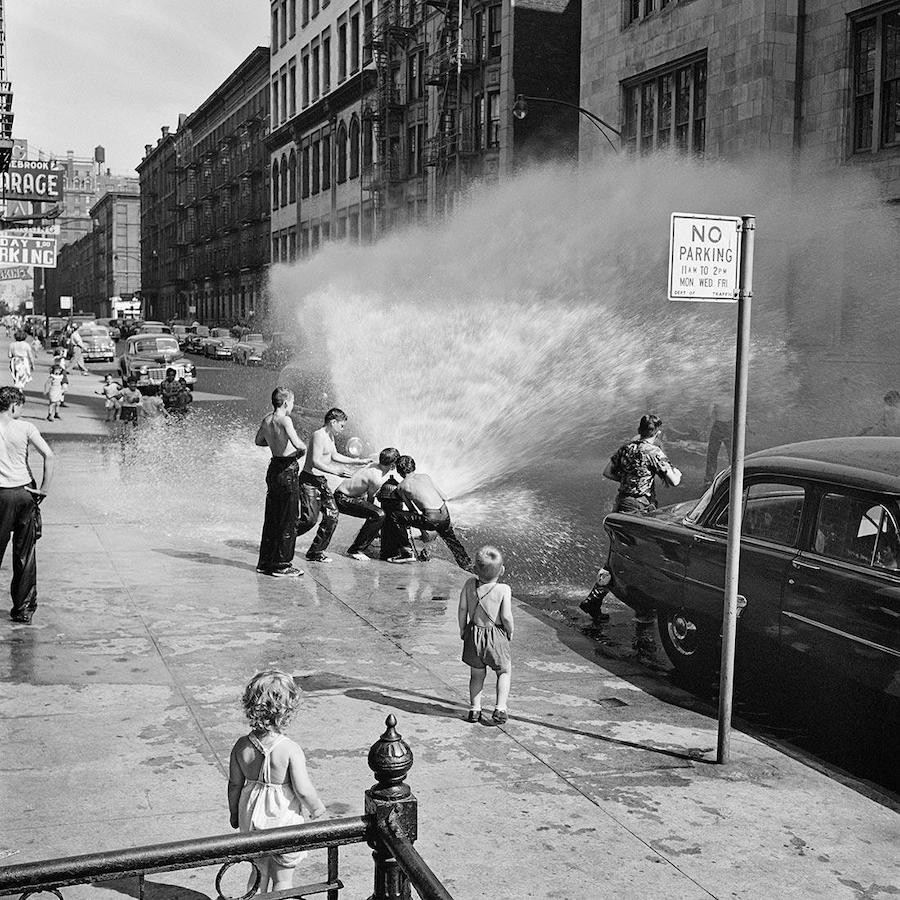
Vivian Maier

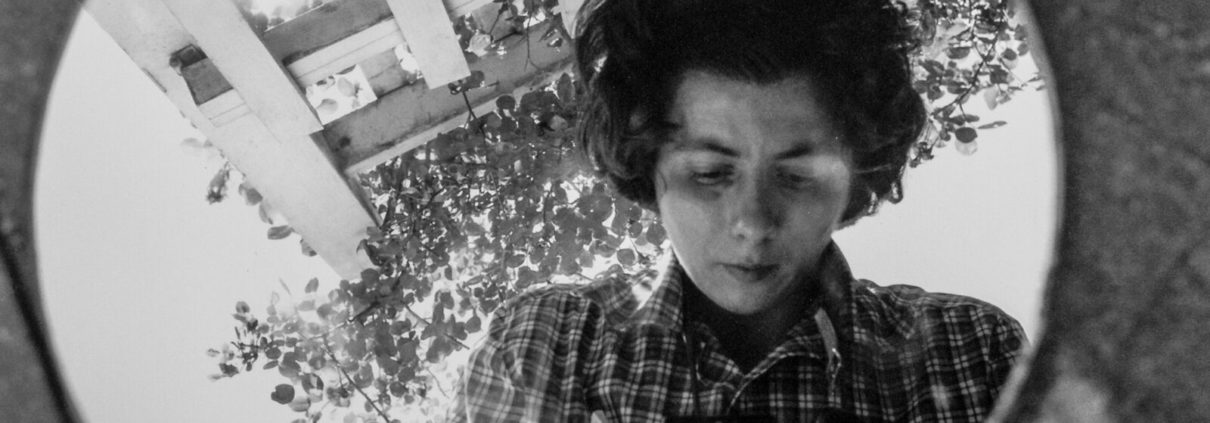
The career path that Vivian Maier (New York, 1926 – Chicago, 2009) took is unusual yet is that of one of the greatest photographers of the 20th century. It was at the heart of American society, in New York from 1951 then in Chicago from 1956, that the children’s governess meticulously observed the urban fabric that already reflected the great social and political changes in its history.

It was the time of the American dream and overexposed modernity, the behind-the-scenes of which constituted the very essence of Vivian Maier’s work. The exhibition allows the public to see archives of the photographer that were discovered in 2007 and have not been seen before: vintage photographs that Vivian Maier printed, super 8 films never shown, audio recordings… As such the exhibition allows the full extent of the eminent artist’s work to be appreciated, and for her work to be placed in the history of photography.

september 15, 2021 – january 16, 2022

MUSEE du LUXEMBOURG

19 rue de Vaugirard 75006 Paris 

Damien Hirst – Cherry Blossoms

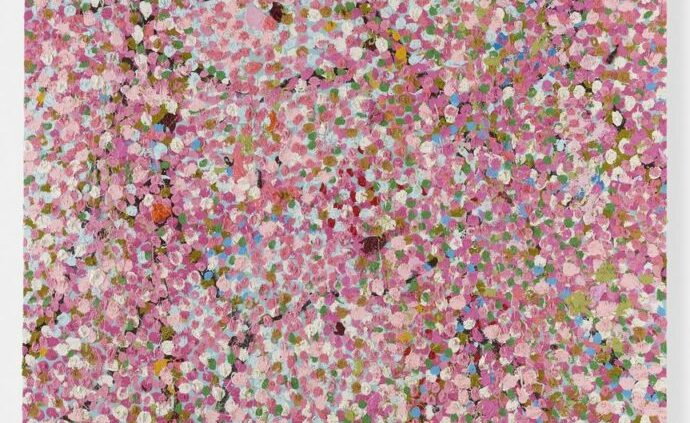
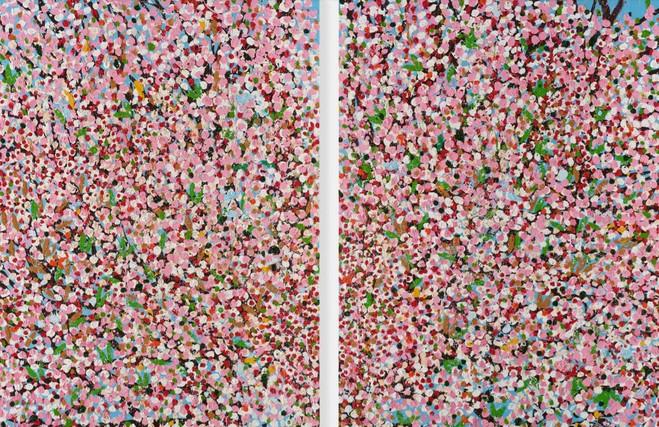
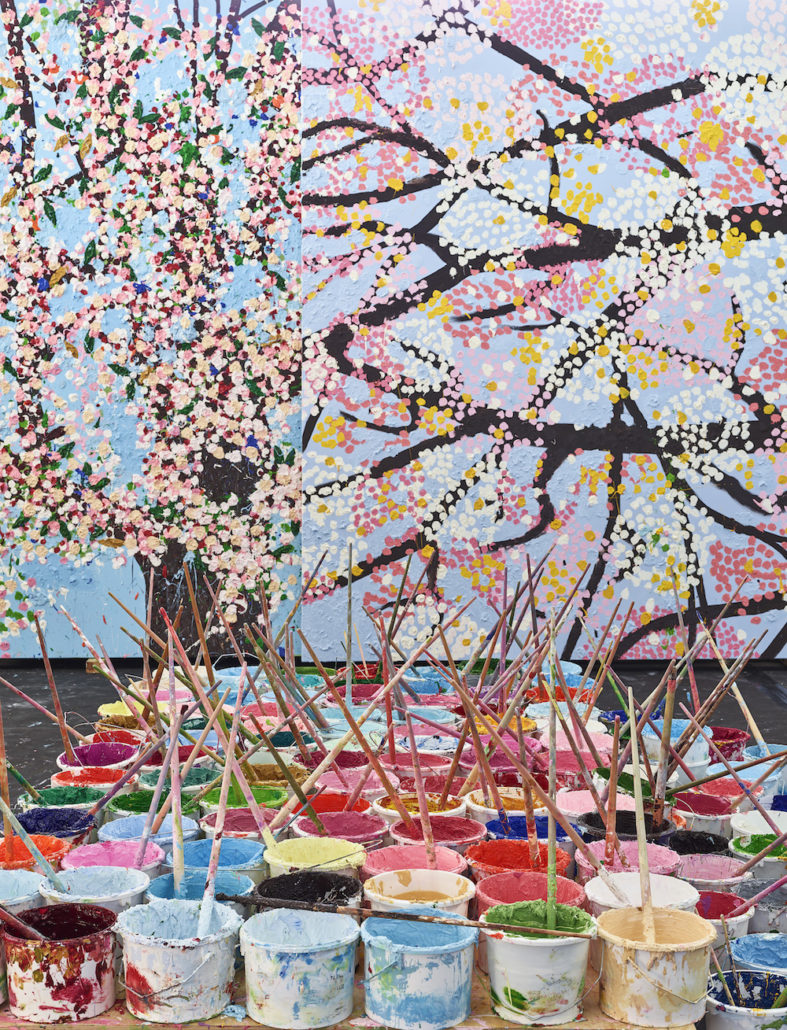
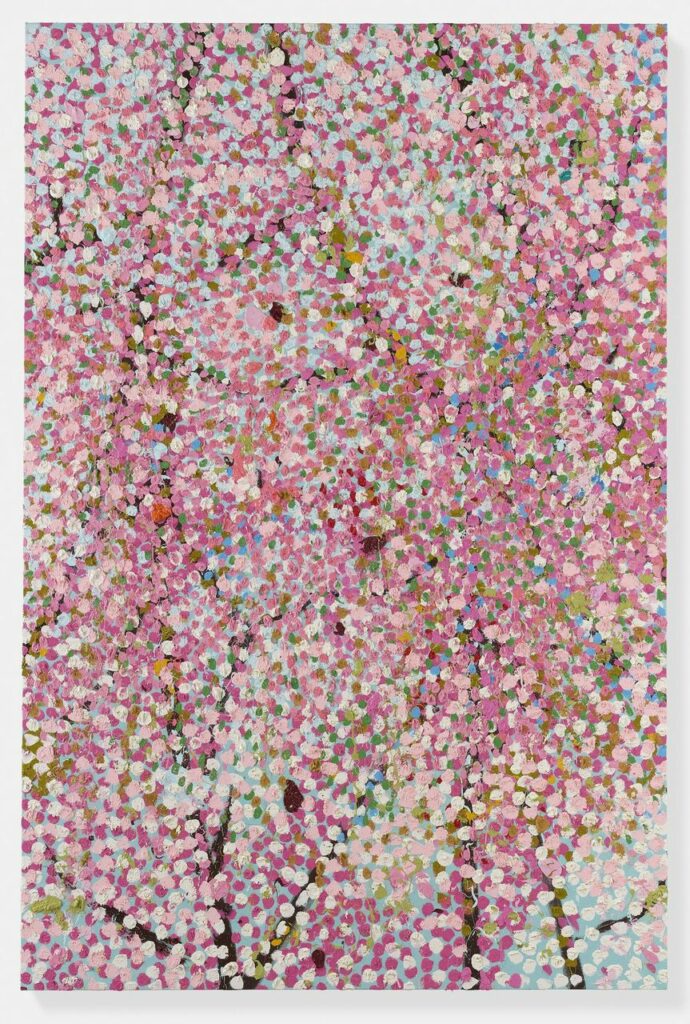
Cherry Blossoms is Damien Hirst’s first museum exhibition in France. The Cherry Blossoms series reinterprets, with playful irony, the traditional subject of landscape painting. Hirst combines thick brushstrokes and elements of gestural painting, referencing both Impressionism and Pointillism, as well as Action Painting. The monumental canvases, which are entirely covered in dense bright colours, envelope the viewer in a vast floral landscape moving between figuration and abstraction.
The Cherry Blossoms are at once a subversion and homage to the great artistic movements of the late nineteenth and twentieth centuries. They are integral to the pictorial exploration long carried out by Hirst.

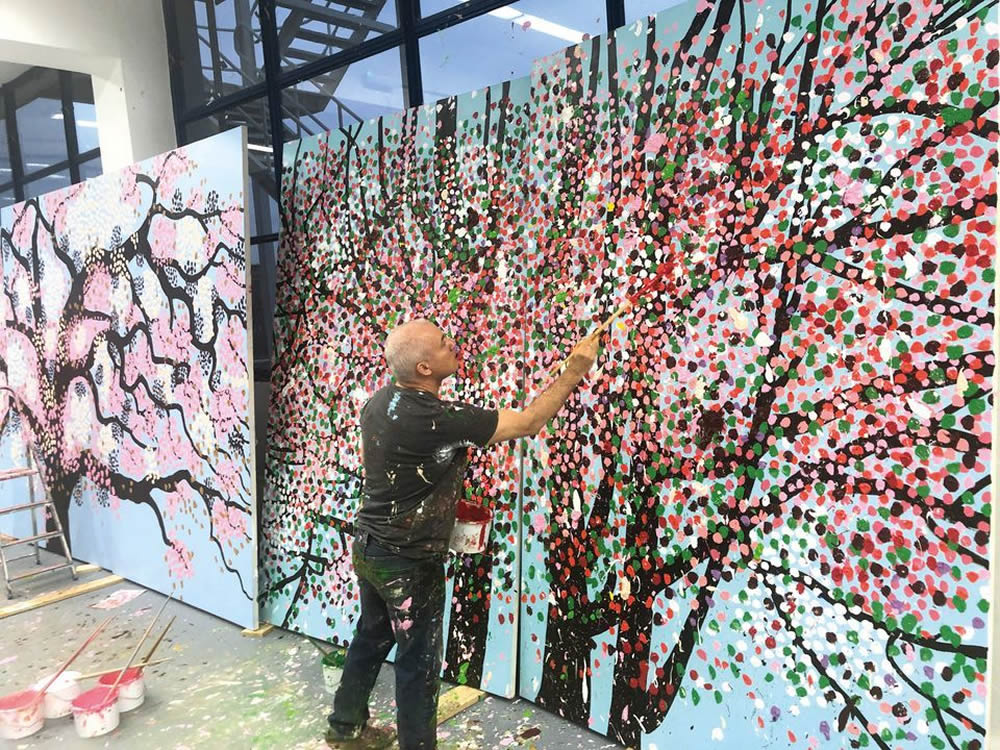
In his London studio, the artist describes “diving into the paintings and completely blitzing them from one end to the other”.

He also talks about working on several canvases at the same time and constantly returning to these, which he kept close by, months after their completion. After devoting three full years to the series, Damien Hirst finished the Cherry Blossoms series in November 2020 : “[The pandemic] has given me a lot more time to live with the paintings, and look at them, and make absolutely certain that everything’s finished.” The complete series comprises 107 canvases (all reproduced in the exhibition catalogue), divided into single panels, diptychs, triptychs, quadriptychs and even a hexaptych, all large-format. The exhibition, a response to an invitation by Hervé Chandès, General Director of the Fondation Cartier, to Damien Hirst during a meeting in London in 2019, presents thirty paintings selected by Hervé Chandès and the artist. Taking over the space designed by Jean Nouvel, the canvases, covered in thick, vibrant paint, absorb the spectator into the paintings.

After studying in Leeds, Damien Hirst entered Goldsmiths College in London in 1986 and quickly became the face of the Young British Artists, a group with a taste for experimentation and creating art viewed as provocative by some. They dominated the British arts scene in the 1990s. Hirst’s Natural History series — in which animals appear in formaldehydefilled tanks — soon became emblematic of his work.

However, painting has always played an essential role in Hirst’s work: “I’ve had a romance with painting all my life, even if I avoided it. As a young artist, you react to the context, your situation. In the 1980s, painting wasn’t really the way to go.”

If his early canvases were inspired by Abstract Expressionism, which he refers to as a “paint how you feel” approach, in 1986 he began a series known as Spot Paintings, where coloured dots, which appear to have been painted by a machine, erase all traces of human intervention. Initially conceived as an ongoing series,today, the Spot Paintings include over one thousand canvases of varying sizes and titles. In contrast with the mathematical infinity of the Spot Paintings, the Visual Candy paintings (1993-1995), ironically named after a scathing comment by an art critic who said the paintings looked like curtain designs, are characterized by their thick smudges of paint and exuberant superimposed colours.

More recently, the series known as Colour Space (2016), a variation around the infinite possibility of colour, and Veil Paintings (2018), where dabs of paint shimmer and cover the entire canvas, celebrate the painting surface, depth and color. This exploration culminates in the Cherry Blossoms.

June 1, 2021 – January 2, 2022

FONDATION CARTIER

261 boulevard Raspail 75014 Paris

Histoires de photographies

Collection du Musée des Arts Décoratifs

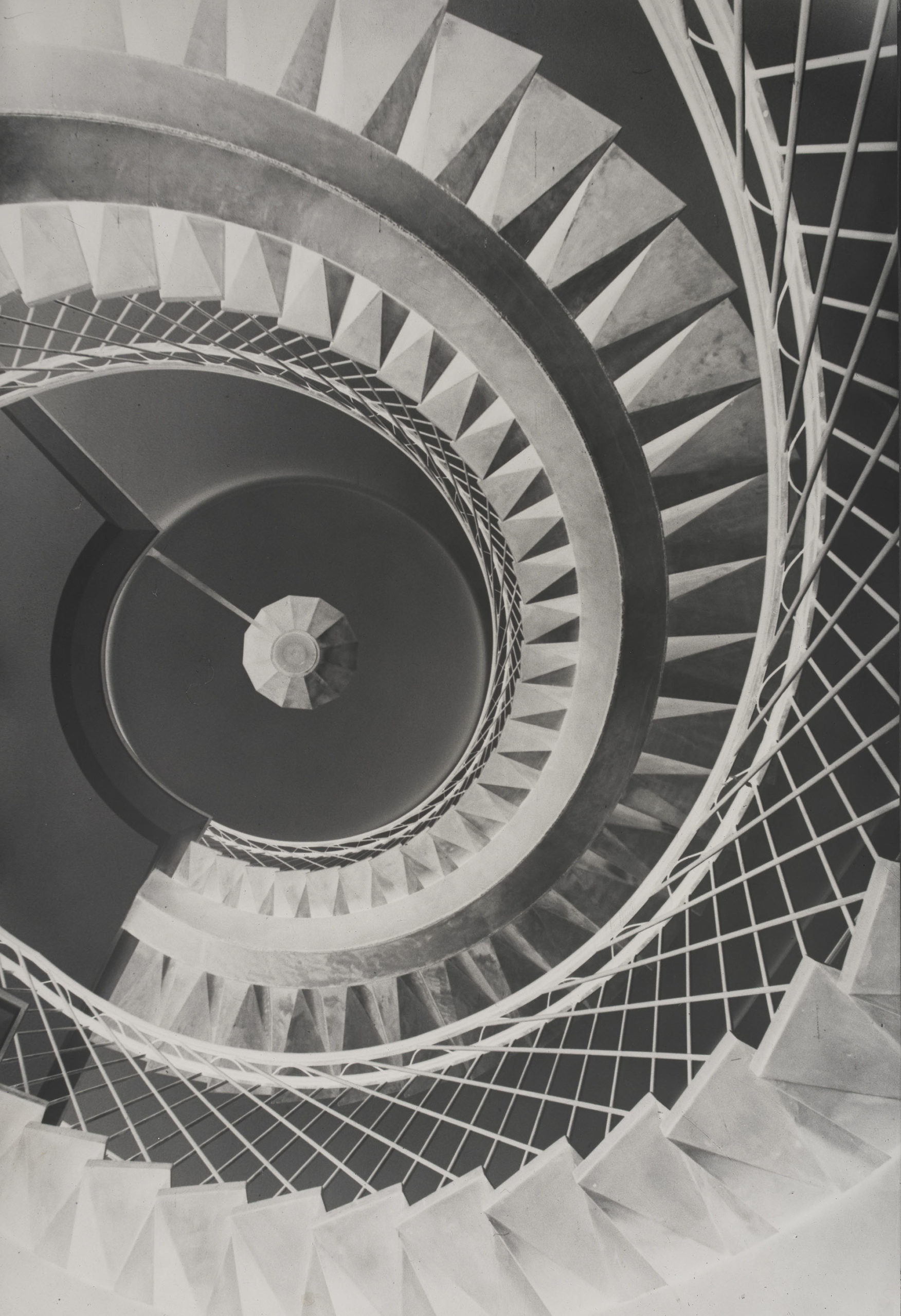
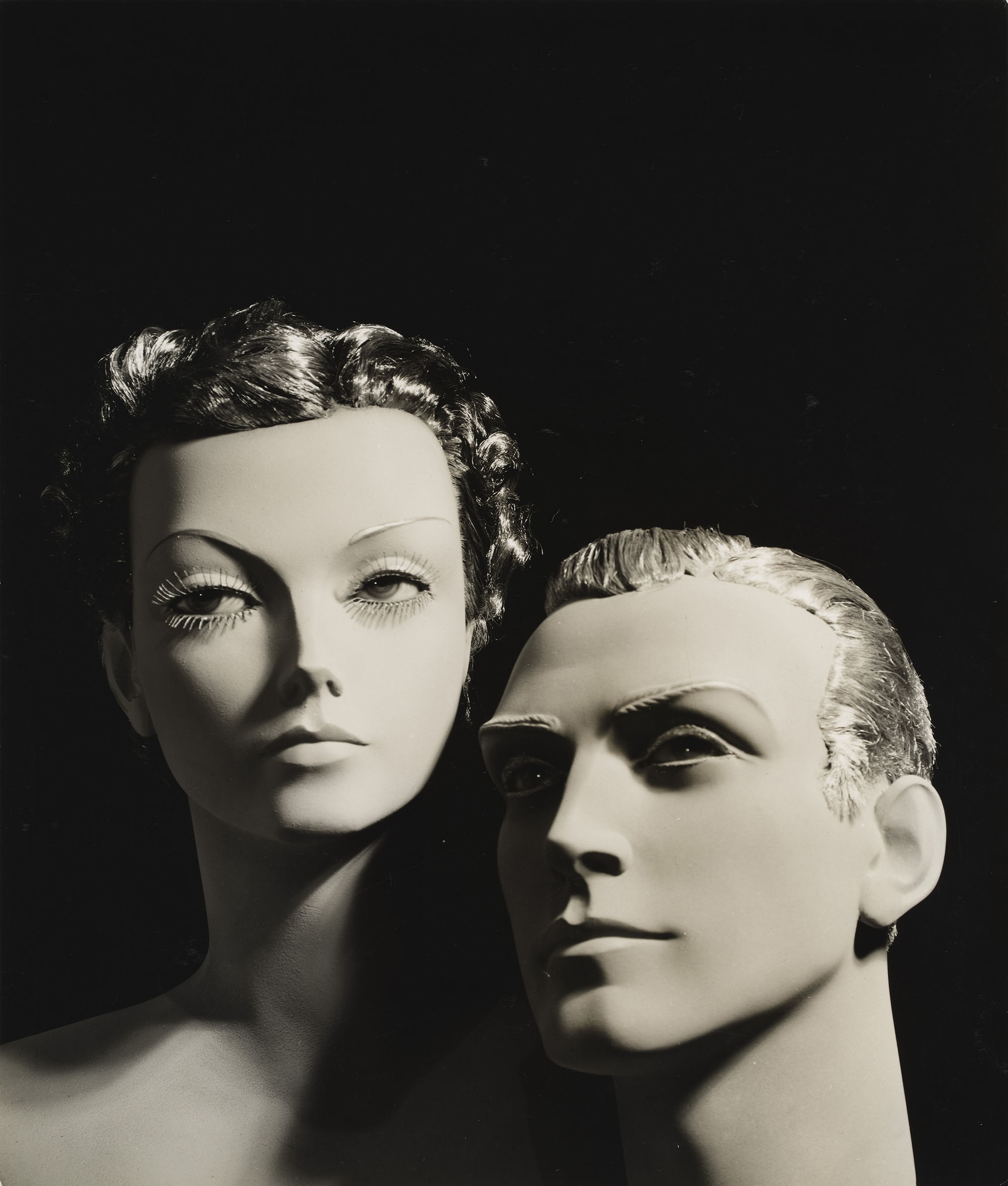
The Musée des Arts Décoratifs will unveil, from their own collections, the exhibition Photo Stories, an assemblage of almost never-seen photographs from the worlds of fashion, architecture, landscapes, interior design and advertising. These works, dating from 1840 to the present day, were selected from the exceptional collection of over 350,000 photographs held by the Musée des Arts Décoratifs in Paris.

Through 400 original prints and negatives, Photo Stories will retrace over a century and a half of photography. The exhibition will highlight works that have immortalized the genre, including those by renowned photographers such as Eugène Atget, Laure Albin Guillot, Dora Kallmus (known artistically as Madame d’Ora), Man Ray, Cecil Beaton, Robert Doisneau, Bettina Rheims and David Seidner.

Photo Stories will demonstrate, both chronologically and semantically, the many fields that photography has helped to shape, be they political, economic, legal, artistic or of a documentary nature. At the same time, the exhibition will accentuate the various junctions that exist between photography and the decorative arts. Moreover, it will shed new light on the role that the Musée des Arts Décoratifs has played in acknowledging and disseminating photography since its popularization as a legitimate artistic genre.

Since its founding in 1864, the Union centrale des beaux-arts appliqués à l’industrie, the precursor of the Musée des Arts Décoratifs, has envisaged photography as an applied art form for its capacity to educate and popularize, serving as a highly effective means of inspiring artisans and creators. In 1883, a photographic laboratory had already been installed on the premises and the Union centrale des beauxarts appliqués à l’industrie was able to produce its own photography. With this advancement, photographers were called upon to join the ranks of artists and artisans of the institution and to employ this novel art form as a tool for artists and creators. Over time, the Union Centrale and its Library, would secure innumerable photographs of works in their original environments by the likes of Pierre Chareau, Jacques-Emile Ruhlmann and Louis Sognot.

The 20th century brought with it photographic exhibitions at the Musée des Arts Décoratifs that nourished the national identity, including the 1916 Exposition de Photographies de Guerre (War Photographs Exhibition). In 1955, the Musée des Arts Décoratifs hosted a retrospective devoted to the photography of Henri Cartier-Bresson and in 1975, a retrospective dedicated to the photography of Jacques Henri Lartigue. Photo Stories will comprise six sections, showcasing the variety and depth of the photographic holdings of the Musée des Arts Décoratifs. The sections will include the quest for photographic models, views of countries, photography at the service of the heritage and commercial photography in advertising, the press and fashion.

The exhibition begins with the mid-19th century photographs presented which will examine the pedagogical use of photography and underline the importance of photographs in providing artists and artisans with authentic representations of important historical works including still lifes, ornaments and figures. This new form of access to historical masterpieces thus thrust photography to the forefront of artistic education in the mid-19th century.

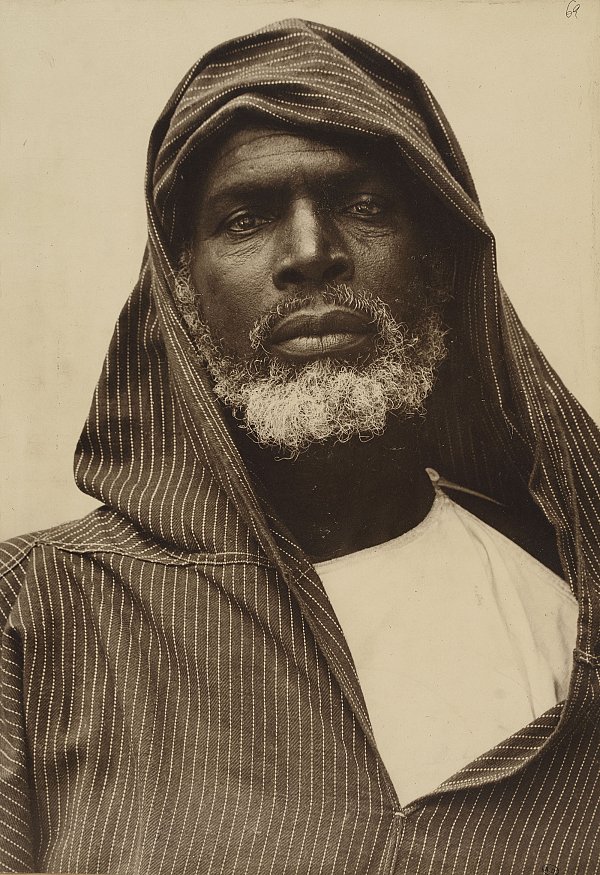
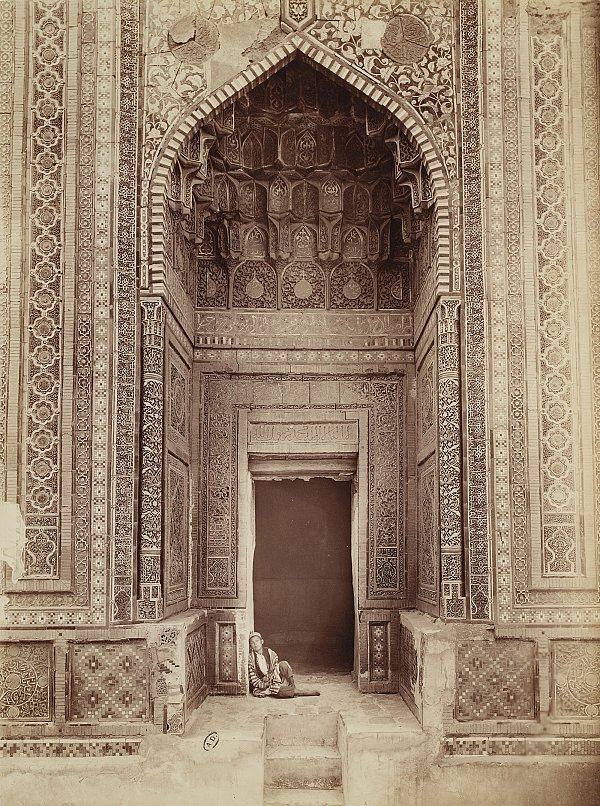
The late 19th century was a time of international exchange and movement. With the popularization of the Exposition Universelle (World’s Fairs), particularly that of 1867 in Paris, visitors were invited to explore the “World Elsewhere” which had often been overlooked, propelling photography forward as the most accessible means of discovery. The photographic clichés taken abroad ignited the imaginations of artists, decorators and collectors the world-over with photographs depicting colonial, ethnographic, touristic and personal scenes from South America to Asia, and across Europe the length of the Mediterranean. The photography also bears witness to the realities of days gone by and often serves as an important historical record of the condition and transformation of cultural heritage. Examples include works as seen through the lenses of Henri Le Secq and Edouard Baldus, the first-ever photographers to survey architecture in photographs.The late 19th century was a time of international exchange and movement. With the popularization of the Exposition Universelle (World’s Fairs), particularly that of 1867 in Paris, visitors were invited to explore the “World Elsewhere” which had often been overlooked, propelling photography forward as the most accessible means of discovery. The photographic clichés taken abroad ignited the imaginations of artists, decorators and collectors the world-over with photographs depicting colonial, ethnographic, touristic and personal scenes from South America to Asia, and across Europe the length of the Mediterranean. The photography also bears witness to the realities of days gone by and often serves as an important historical record of the condition and transformation of cultural heritage. Examples include works as seen through the lenses of Henri Le Secq and Edouard Baldus, the first-ever photographers to survey architecture in photographs.The late 19th century was a time of international exchange and movement. With the popularization of the Exposition Universelle (World’s Fairs), particularly that of 1867 in Paris, visitors were invited to explore the “World Elsewhere” which had often been overlooked, propelling photography forward as the most accessible means of discovery. The photographic clichés taken abroad ignited the imaginations of artists, decorators and collectors the world-over with photographs depicting colonial, ethnographic, touristic and personal scenes from South America to Asia, and across Europe the length of the Mediterranean. The photography also bears witness to the realities of days gone by and often serves as an important historical record of the condition and transformation of cultural heritage. Examples include works as seen through the lenses of Henri Le Secq and Edouard Baldus, the first-ever photographers to survey architecture in photographs.

The visitor then reaches the 1920’s and 1930’s, when photography first appeared in advertising.This section reveals how the rise of photographic modernism owes as much to photographers themselves as it does to graphic designers, editors and decorators, who brought photographic imagery into daily life. The Exposition Internationale des Arts Décoratifs et Industriels Modernes, for example, held in Paris in 1925, participated in the development of the photography and photographic editions market as photographs could be purchased on a large scale. At the same time, publications such as Art et DécorationL’Architecture d’Aujourd’hui, then Connaissance des Arts increasingly focused on photographic illustration and often included the works of photographers Thérèse Bonney, Dora Kallmus and Jean Collas, spreading photography even further while leading to new tastes and interests.

It was also the ambition of the Union Française des Arts du Costume (UFAC), created in 1948 under the direction of Francois Boucher, to bring together a prestigious collection of fashion, textiles and fashion photography which would eventually be overseen by and entrusted to the Musée des Arts Décoratifs. The provision of the collections of the Union Française des Arts du Costume in 1981, and in particular, their extensive fashion and fashion photography holdings, became the foundation of the fashion collections of the Musée des Arts Décoratifs. This vast collection of fashion photography documents the evolution of Parisian haute couture, capturing works by the likes of Charles Frederick Worth, Madeleine Vionnet and Paul Poiret, visionary designers whose works were recently lauded in the exhibitions Harper’s Bazaar, First in Fashion and Drawings Without Reserve, both at the Musée des Arts Décoratifs.

Photo Stories, a central part of the 2021 exhibition calendar, allows visitors to discover the wealth and vastness of the photographic holdings of the Musée des Arts Décoratifs while revealing the intimate contours of this art form, its founding personalities and its most surprising and unexpected expressions.

du 19 mai au 12 décembre 2021

MAD

107 rue de Rivoli 75001 Paris