
,

Histoires de photographies

Collection du Musée des Arts Décoratifs
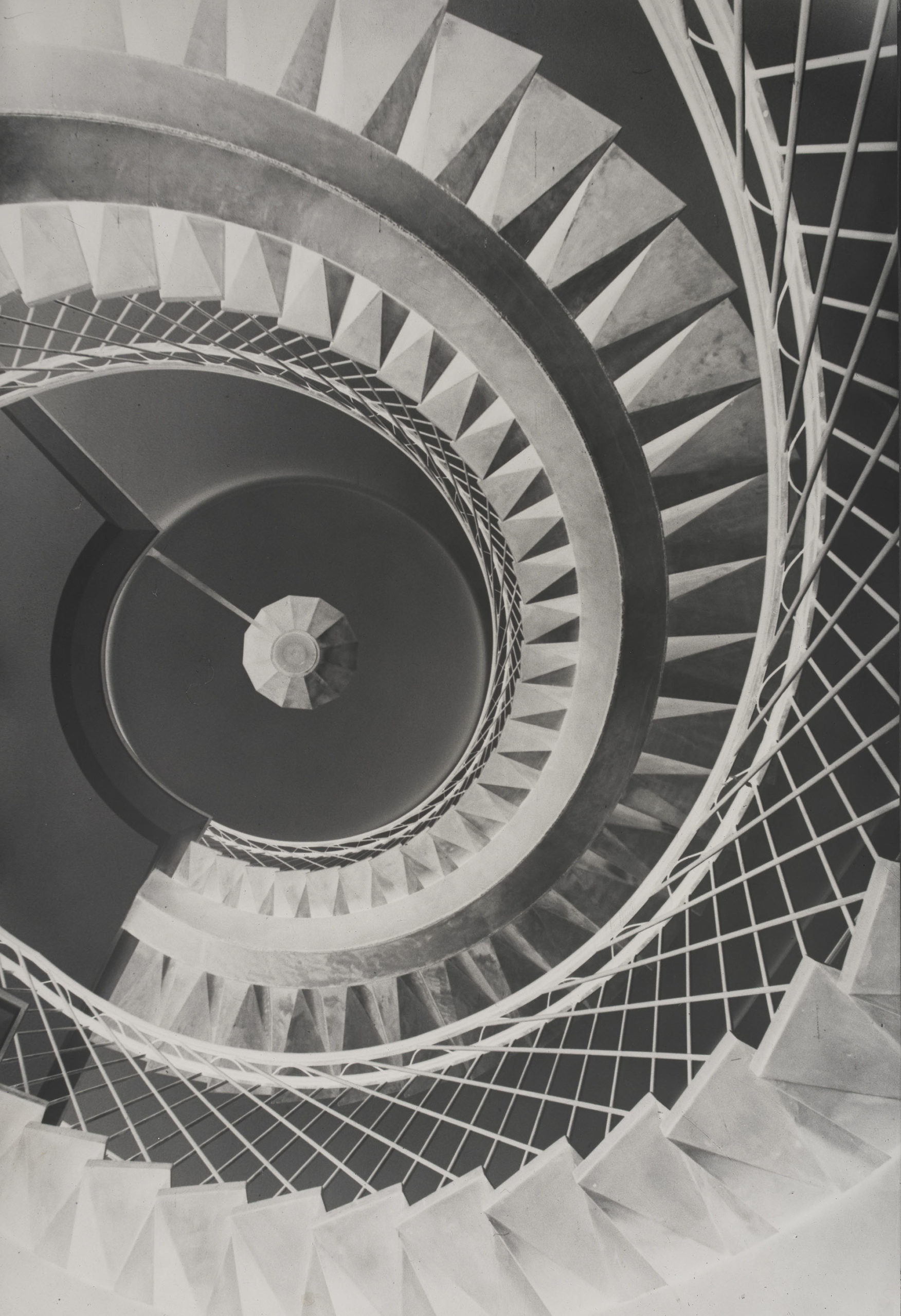
Le Musée des Arts Décoratifs présente une exposition de ses collections de photographies, révélées pour la première fois au public. Ce fonds patrimonial exceptionnel, riche de plus de 350 000 phototypes, rassemble des photographies de mode, d’architecture, de paysage, de décor, mais aussi publicitaires, allant des années 1840 aux créations les plus récentes.

«Histoires de photographies» retrace, à travers 400 tirages originaux et négatifs, un siècle et demi d’histoires photographiques immortalisées par de grands noms tels Eugène Atget, Laure Albin-Guillot, Dora Kallmus, plus connue sous le nom de Madame d’Ora, Man Ray, Cecil Beaton, Robert Doisneau, Bettina Rheims, David Seidner…
Chronologique et thématique, l’exposition dévoile la diversité des usages de la photo — politique, économique, juridique, artistique ou documentaire — et met en lumière les croisements, sensibles ou inattendus, avec les arts décoratifs. Elle offre ainsi un regard neuf sur le rôle de premier plan que le Musée des Arts Décoratifs a joué dans la reconnaissance de la photographie sur la scène artistique française.

Dès son origine en 1864, l’Union centrale des beaux-arts appliqués à l’industrie – aujourd’hui Les Arts Décoratifs – envisage la photographie comme un «art appliqué à l’enseignement et à la vulgarisation». Elle est alors considérée comme l’un des vecteurs les plus efficaces pour inspirer les ouvriers et artisans en plein contexte d’émulation artistique et économique. Au temps des premières expositions d’arts industriels, l’institution produit ses propres photographies grâce au laboratoire qu’elle met en place en 1883 et appelle les photographes à rejoindre ses rangs afin de fournir des modèles, en vue de former le regard et d’éduquer par l’image. Au fil du temps, le musée et sa bibliothèque acquièrent des milliers de clichés ayant pour vocation de documenter les collections que les créateurs ont pu donner par ailleurs, à l’instar de Pierre Chareau, Jacques-Émile Ruhlmann ou Louis Sognot.

Au-delà des collections, c’est toute une politique d’expositions que la photographie nourrit tout au long du XXe siècle comme l’«Exposition des photographies de guerre» en 1916 ou l’«Exposition internationale de la photographie contemporaine» en 1936. La programmation propose et accueille les premières rétrospectives françaises consacrées à Henri Cartier-Bresson (1955) ou à Jacques Henri Lartigue (1975). En 2021, le musée rend un nouvel hommage à la photographie mais cette fois à travers le prisme de sa propre collection. Six sections permettent d’en saisir la profusion et la variété : la quête des modèles, les vues de pays comme objet d’étude et d’inspiration, la photographie au service du patrimoine, l’utilité commerciale de la photographie exploitée par la presse et la publicité, la reconnaissance de la photographie en France et la photographie de mode.
Le parcours débute au commencement de l’histoire de la photographie dans le sillon des premières associations et institutions : la Société française de photographie voit le jour en 1854 et la Chambre syndicale de la photographie en 1862. Cette partie introduit le visiteur dans les premières images de ce milieu du XIXe siècle en rappelant leur vocation pédagogique pour les artistes et les artisans. L’acquisition de modèles photographiques – natures mortes mais aussi ornements ou figures – est alors au cœur des impératifs des institutions.

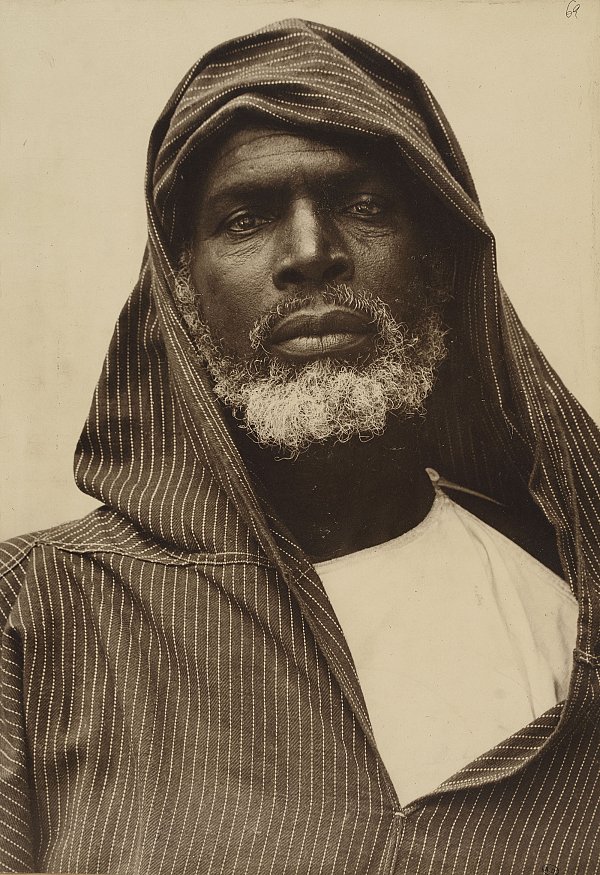
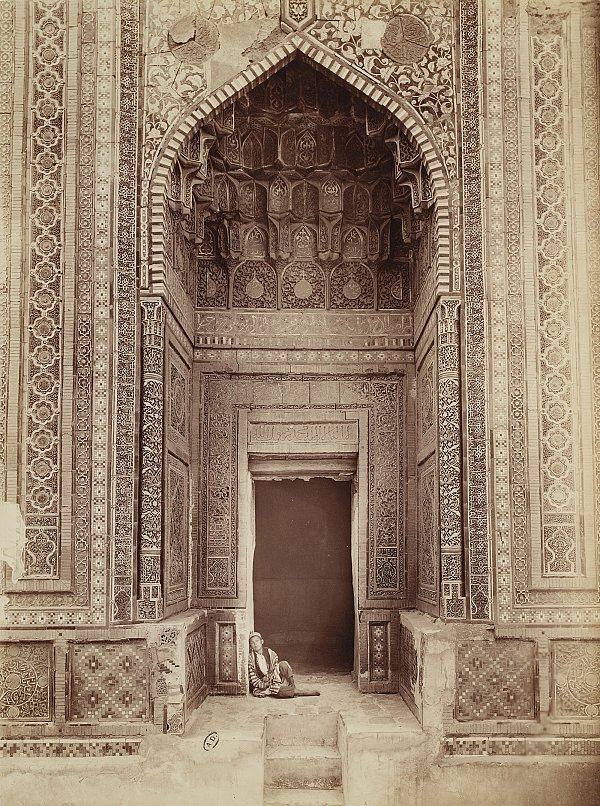
Le XIXe siècle est aussi une époque d’échanges et de mouvements. Les expositions universelles, plus particulièrement à partir de 1867, invitent à découvrir le monde, cet «ailleurs» que l’on méconnait alors, et la photographie participe à ce phénomène. Les clichés pris à l’étranger ont nourri l’imaginaire des artistes et des décorateurs, autant que celui des collectionneurs. De l’Amérique du Sud à l’Asie en passant par l’Europe et la Méditerranée, les photographies témoignent de différents points de vue : colonial, touristique, ethnographique ou personnel. La photographie est également l’une des ressources les plus convoquées à l’heure où s’organise la protection des monuments. En apportant un témoignage visuel de leur état et de leur transformation, elle joue un rôle essentiel à l’égard du patrimoine et de l’architecture à travers l’objectif d’Henri Le Secq ou de Charles Marville.
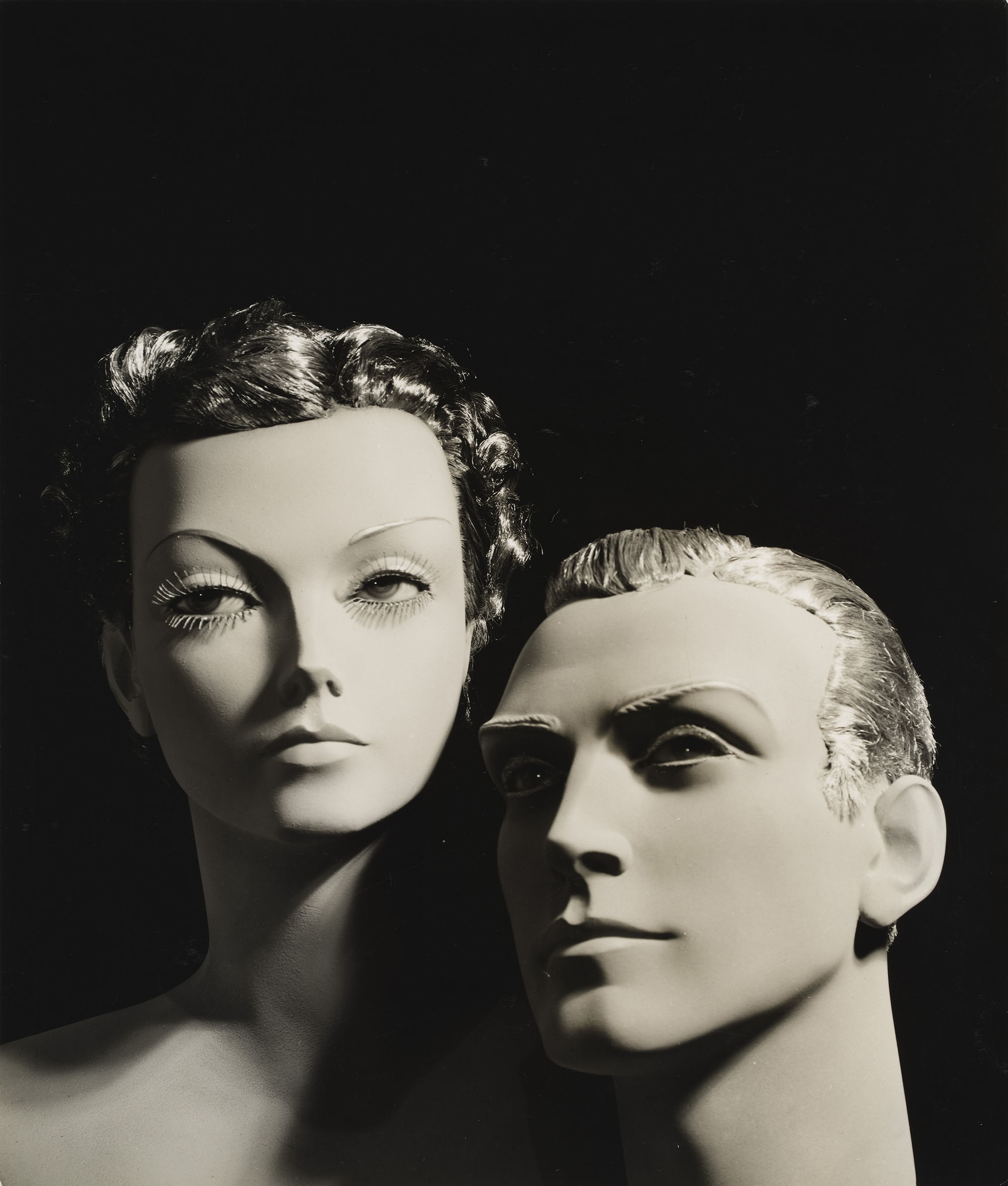
L’exposition entraîne le visiteur dans les années 1920-1930, qui voient l’apparition progressive de la photographie publicitaire. Cette partie dévoile comment l’essor du modernisme photographique doit autant aux photographes eux-mêmes qu’aux graphistes, éditeurs et décorateurs, qui font entrer l’image dans les domaines de la vie quotidienne. L’Exposition internationale des arts décoratifs et industriels modernes, qui se tient à Paris en 1925, est fondamentale pour le marché de la photographie et de l’édition. Certaines revues comme Art et Décoration ou L’Architecture d’Aujourd’hui, et Connaissance des arts ensuite, accordent une place croissante à l’illustration photographique. Publiées dans ces revues, les clichés de Thérèse Bonney, Dora Kallmus ou Jean Collas jouent également un rôle de diffusion de modèles, contribuant au renouveau de la création et à l’évolution des goûts.

C’est également l’ambition de l’Union française des arts du costume (UFAC), créée en 1948, sous l’impulsion de François Boucher, qui rassemble un ensemble prestigieux de pièces de mode, textiles et de tirages dont la gestion est alors confiée au musée. L’alliance de ces deux collections, dont l’accord est scellé en 1981, devient le socle de la mode du Musée des Arts Décoratifs. Le corpus photographique apporte un témoignage artistique et intime sur les figures les plus marquantes de la haute couture parisienne : Charles Frederick Worth, Madeleine Vionnet, Paul Poiret… créateurs que les toutes récentes expositions «Harpers Bazaar, premier magazine de mode» et «Le dessin sans réserve» ont mis en lumière.
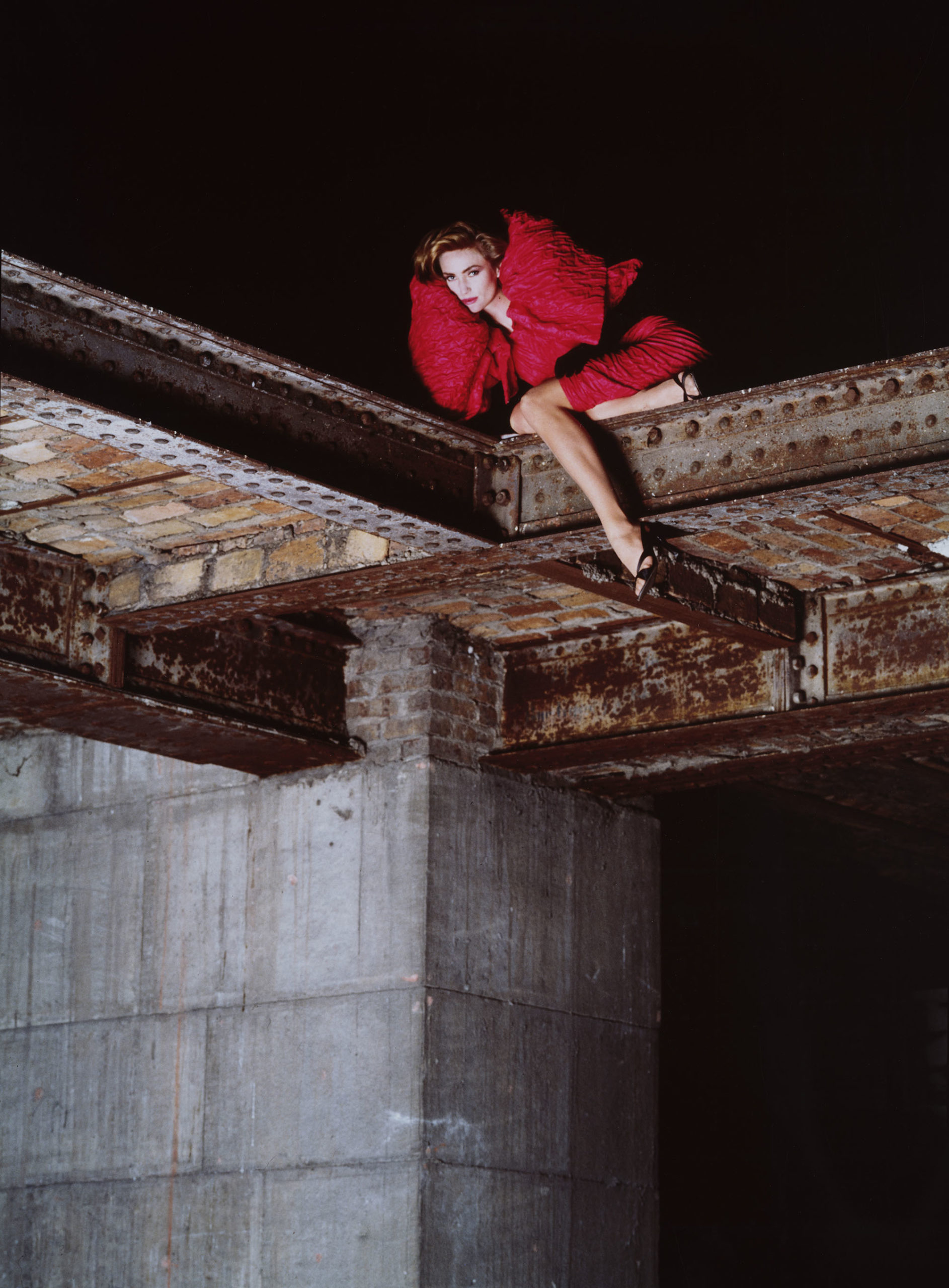
«Histoires de photographies» s’inscrit dans une programmation initiée en 2020 avec «Le dessin sans réserve», à la suite de «Faire le mur. Quatre siècles de papiers peints» en 2016, qui s’attache à faire découvrir au public toute la richesse de fonds restés longtemps dans l’ombre. L’exposition révèle les contours d’un médium à part entière, ses personnalités fondatrices et ses expressions les plus surprenantes.

du 19 mai au 12 décembre 2021

MAD

107 rue de Rivoli 75001 Paris

Histoires de photographies

Collection du Musée des Arts Décoratifs

The Musée des Arts Décoratifs will unveil, from their own collections, the exhibition Photo Stories, an assemblage of almost never-seen photographs from the worlds of fashion, architecture, landscapes, interior design and advertising. These works, dating from 1840 to the present day, were selected from the exceptional collection of over 350,000 photographs held by the Musée des Arts Décoratifs in Paris.

Through 400 original prints and negatives, Photo Stories will retrace over a century and a half of photography. The exhibition will highlight works that have immortalized the genre, including those by renowned photographers such as Eugène Atget, Laure Albin Guillot, Dora Kallmus (known artistically as Madame d’Ora), Man Ray, Cecil Beaton, Robert Doisneau, Bettina Rheims and David Seidner.

Photo Stories will demonstrate, both chronologically and semantically, the many fields that photography has helped to shape, be they political, economic, legal, artistic or of a documentary nature. At the same time, the exhibition will accentuate the various junctions that exist between photography and the decorative arts. Moreover, it will shed new light on the role that the Musée des Arts Décoratifs has played in acknowledging and disseminating photography since its popularization as a legitimate artistic genre.

Since its founding in 1864, the Union centrale des beaux-arts appliqués à l’industrie, the precursor of the Musée des Arts Décoratifs, has envisaged photography as an applied art form for its capacity to educate and popularize, serving as a highly effective means of inspiring artisans and creators. In 1883, a photographic laboratory had already been installed on the premises and the Union centrale des beauxarts appliqués à l’industrie was able to produce its own photography. With this advancement, photographers were called upon to join the ranks of artists and artisans of the institution and to employ this novel art form as a tool for artists and creators. Over time, the Union Centrale and its Library, would secure innumerable photographs of works in their original environments by the likes of Pierre Chareau, Jacques-Emile Ruhlmann and Louis Sognot.

The 20th century brought with it photographic exhibitions at the Musée des Arts Décoratifs that nourished the national identity, including the 1916 Exposition de Photographies de Guerre (War Photographs Exhibition). In 1955, the Musée des Arts Décoratifs hosted a retrospective devoted to the photography of Henri Cartier-Bresson and in 1975, a retrospective dedicated to the photography of Jacques Henri Lartigue. Photo Stories will comprise six sections, showcasing the variety and depth of the photographic holdings of the Musée des Arts Décoratifs. The sections will include the quest for photographic models, views of countries, photography at the service of the heritage and commercial photography in advertising, the press and fashion.

The exhibition begins with the mid-19th century photographs presented which will examine the pedagogical use of photography and underline the importance of photographs in providing artists and artisans with authentic representations of important historical works including still lifes, ornaments and figures. This new form of access to historical masterpieces thus thrust photography to the forefront of artistic education in the mid-19th century.

The late 19th century was a time of international exchange and movement. With the popularization of the Exposition Universelle (World’s Fairs), particularly that of 1867 in Paris, visitors were invited to explore the “World Elsewhere” which had often been overlooked, propelling photography forward as the most accessible means of discovery. The photographic clichés taken abroad ignited the imaginations of artists, decorators and collectors the world-over with photographs depicting colonial, ethnographic, touristic and personal scenes from South America to Asia, and across Europe the length of the Mediterranean. The photography also bears witness to the realities of days gone by and often serves as an important historical record of the condition and transformation of cultural heritage. Examples include works as seen through the lenses of Henri Le Secq and Edouard Baldus, the first-ever photographers to survey architecture in photographs.The late 19th century was a time of international exchange and movement. With the popularization of the Exposition Universelle (World’s Fairs), particularly that of 1867 in Paris, visitors were invited to explore the “World Elsewhere” which had often been overlooked, propelling photography forward as the most accessible means of discovery. The photographic clichés taken abroad ignited the imaginations of artists, decorators and collectors the world-over with photographs depicting colonial, ethnographic, touristic and personal scenes from South America to Asia, and across Europe the length of the Mediterranean. The photography also bears witness to the realities of days gone by and often serves as an important historical record of the condition and transformation of cultural heritage. Examples include works as seen through the lenses of Henri Le Secq and Edouard Baldus, the first-ever photographers to survey architecture in photographs.The late 19th century was a time of international exchange and movement. With the popularization of the Exposition Universelle (World’s Fairs), particularly that of 1867 in Paris, visitors were invited to explore the “World Elsewhere” which had often been overlooked, propelling photography forward as the most accessible means of discovery. The photographic clichés taken abroad ignited the imaginations of artists, decorators and collectors the world-over with photographs depicting colonial, ethnographic, touristic and personal scenes from South America to Asia, and across Europe the length of the Mediterranean. The photography also bears witness to the realities of days gone by and often serves as an important historical record of the condition and transformation of cultural heritage. Examples include works as seen through the lenses of Henri Le Secq and Edouard Baldus, the first-ever photographers to survey architecture in photographs.

The visitor then reaches the 1920’s and 1930’s, when photography first appeared in advertising.This section reveals how the rise of photographic modernism owes as much to photographers themselves as it does to graphic designers, editors and decorators, who brought photographic imagery into daily life. The Exposition Internationale des Arts Décoratifs et Industriels Modernes, for example, held in Paris in 1925, participated in the development of the photography and photographic editions market as photographs could be purchased on a large scale. At the same time, publications such as Art et DécorationL’Architecture d’Aujourd’hui, then Connaissance des Arts increasingly focused on photographic illustration and often included the works of photographers Thérèse Bonney, Dora Kallmus and Jean Collas, spreading photography even further while leading to new tastes and interests.

It was also the ambition of the Union Française des Arts du Costume (UFAC), created in 1948 under the direction of Francois Boucher, to bring together a prestigious collection of fashion, textiles and fashion photography which would eventually be overseen by and entrusted to the Musée des Arts Décoratifs. The provision of the collections of the Union Française des Arts du Costume in 1981, and in particular, their extensive fashion and fashion photography holdings, became the foundation of the fashion collections of the Musée des Arts Décoratifs. This vast collection of fashion photography documents the evolution of Parisian haute couture, capturing works by the likes of Charles Frederick Worth, Madeleine Vionnet and Paul Poiret, visionary designers whose works were recently lauded in the exhibitions Harper’s Bazaar, First in Fashion and Drawings Without Reserve, both at the Musée des Arts Décoratifs.

Photo Stories, a central part of the 2021 exhibition calendar, allows visitors to discover the wealth and vastness of the photographic holdings of the Musée des Arts Décoratifs while revealing the intimate contours of this art form, its founding personalities and its most surprising and unexpected expressions.

du 19 mai au 12 décembre 2021

MAD

107 rue de Rivoli 75001 Paris