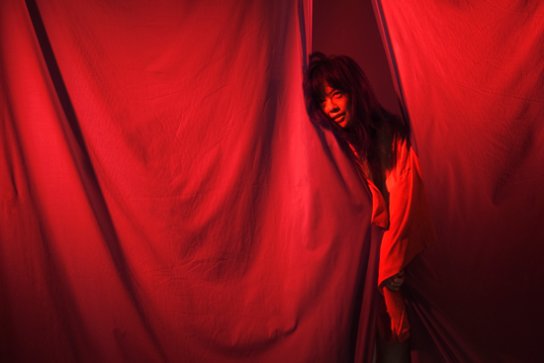
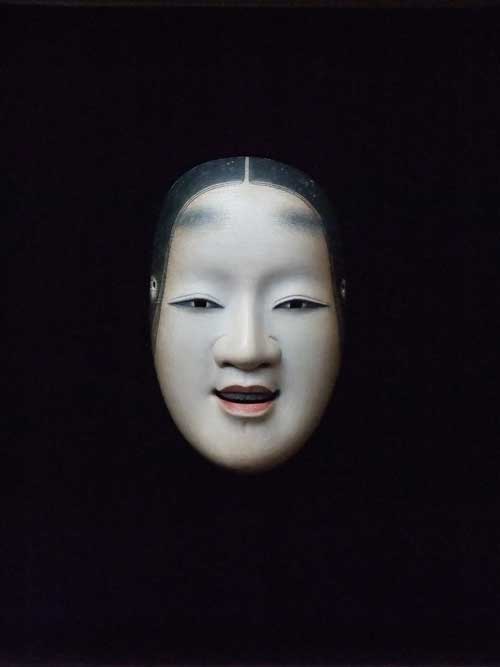
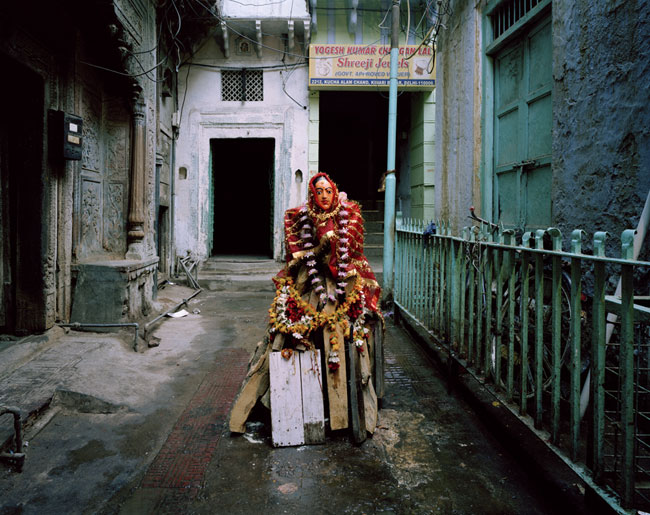
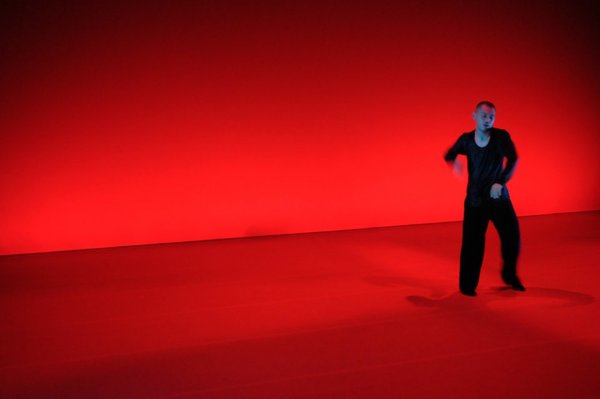
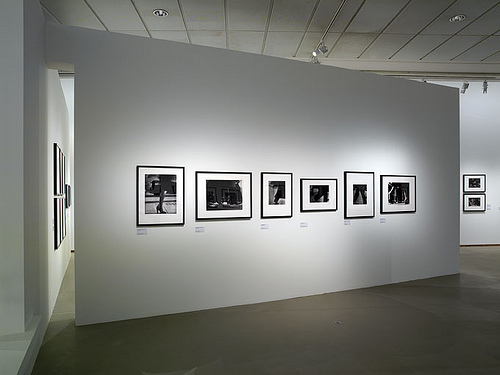
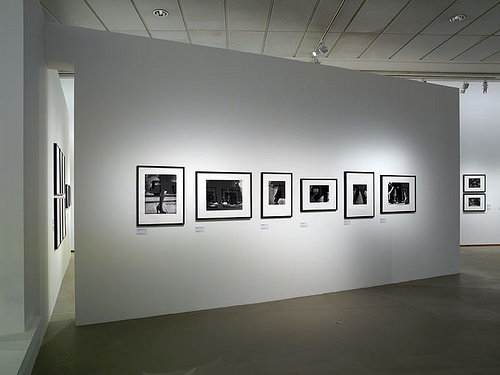
Since its opening in 1997, the Community Arts Center of Japan has offered the public to discover all the facets of the traditional and contemporary Japanese culture, thanks to its various activities : exhibitions, live performances, cinema and courses, tea ceremony, cookery, ikebana, calligraphy, Go game, origami …
https://germanopratines-staging.ovh/wp-content/uploads/2011/05/MAISON-DE-LA-CULTURE-DU-JAPON.jpg363544https://germanopratines-staging.ovh/wp-content/uploads/2019/12/logo-germanopratines-3-1030x221.png2012-04-07 12:05:522019-07-28 02:27:55MAISON DE LA CULTURE DU JAPON
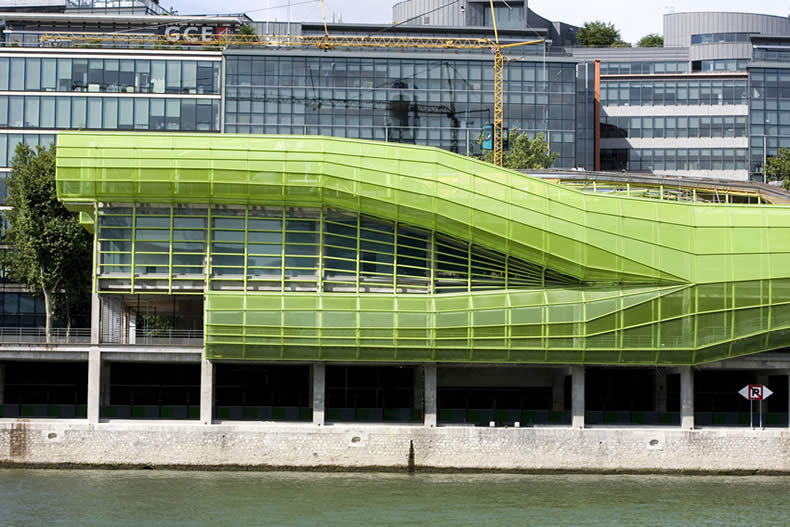
A place that mixes all fields of creation, at the forefront of which are fashion and design as they famously inspire one another. On top of that you can also see exhibitions, have a drink, discover young designers or party. Basically, anything can happen there. Sitting on the Seine, Les Docks, Cité de la Mode et du Design, was designed by Jakob+MacFarlane who made it one of the boldest buildings in Paris. It draws its inspiration from the ever changing flow of the Seine and from its banks.
LES DOCKS – CITE DE LA MODE ET DU DESIGN
34 quai d’Austerlitz 75013 Paris
/by
https://germanopratines-staging.ovh/wp-content/uploads/2012/12/docksenseine11.jpg527790https://germanopratines-staging.ovh/wp-content/uploads/2019/12/logo-germanopratines-3-1030x221.png2012-03-20 13:16:362019-08-03 13:14:49DOCKS – CITE DE LA MODE ET DU DESIGN
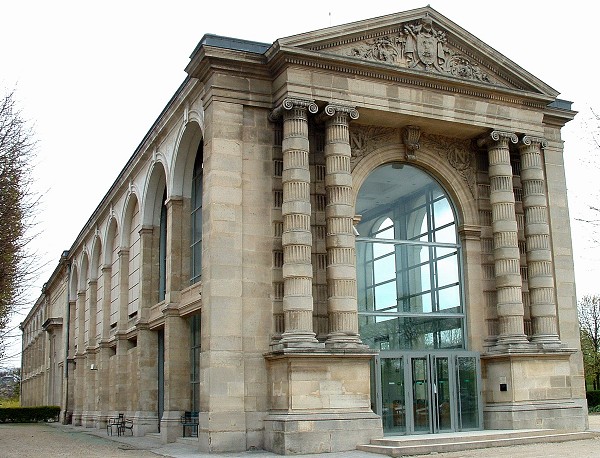
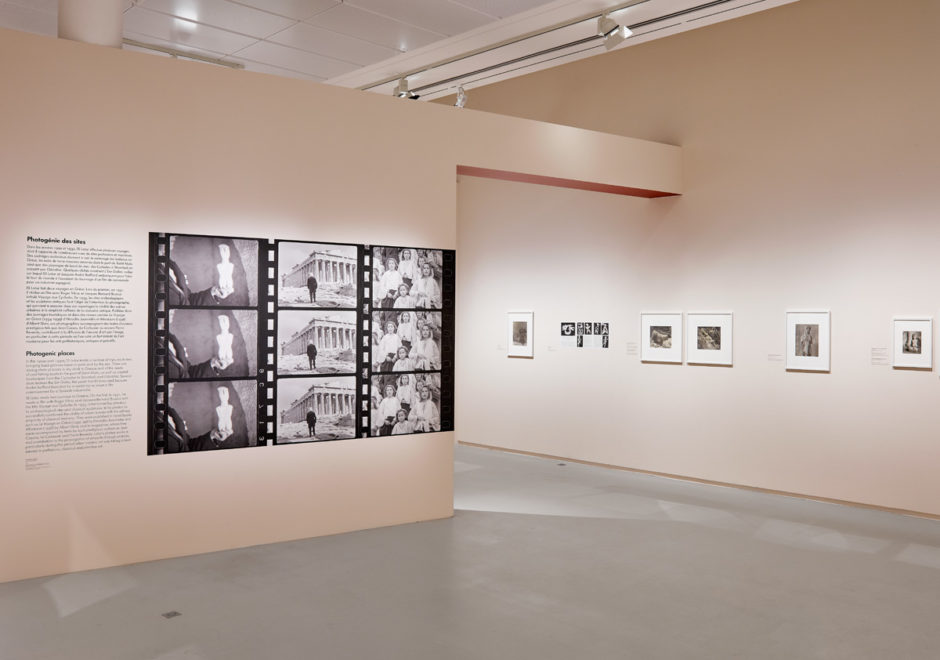
The Jeu de Paume is an artistic venue exclusively dedicated to contemporary photography, video art, experimental film and documentary essay.
The Jeu de Paume produces, co-produces and houses exhibitions, film festivals, conferences, educational activities and publications. It also supports internet creation hosting web-based projects on its website.
The history of the place is quite eventful: it was created in 1862 during the 2nd Empire as the first Parisian venue dedicated to the practice of the racket game regarded as the precursor of tennis. So as to keep a sense of aesthetic continuity, it was modelled after the neighbouring building, l’Orangerie. The early 20th century saw the rise of tennis and the venue was transformed into an exhibition gallery. From 1922 to 1929, it served as an annex of the Musée du Luxembourg. During World War II, the Jeu de paume was used as storage and sorting house for stolen artworks and it housed impressionist artworks between 1947 and 1986 before the Musée d’Orsay opened along with the Louvre. Finally in 2004, it became dedicated to supporting photographic creation and image.
JEU DE PAUME
place de la Concorde 75001 Paris
/by
https://germanopratines-staging.ovh/wp-content/uploads/2018/02/4560145601_8342f62c71.jpg375500https://germanopratines-staging.ovh/wp-content/uploads/2019/12/logo-germanopratines-3-1030x221.png2012-02-06 09:39:212019-08-03 13:17:40JEU DE PAUME
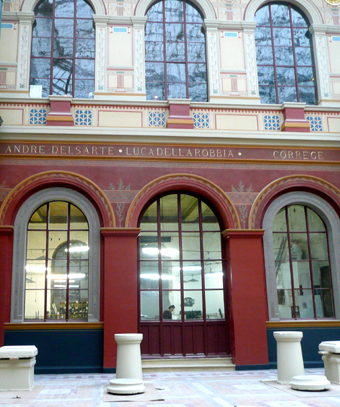
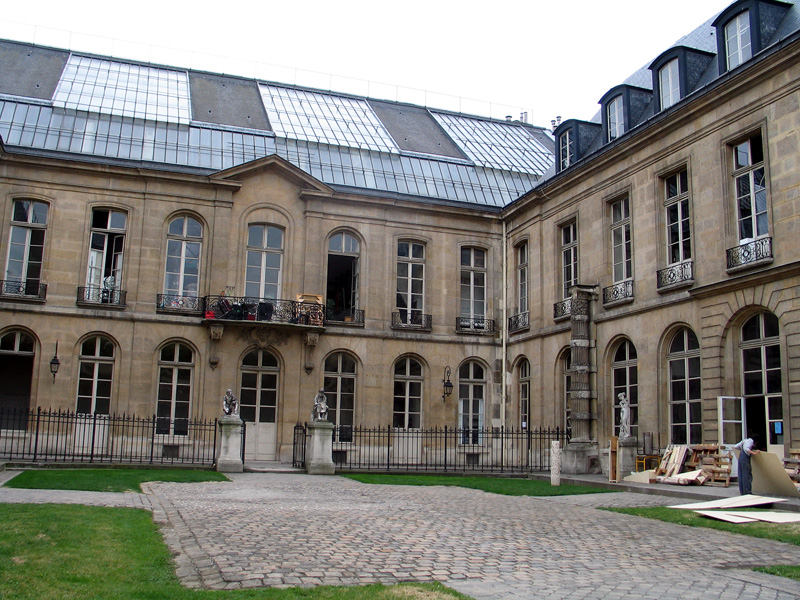
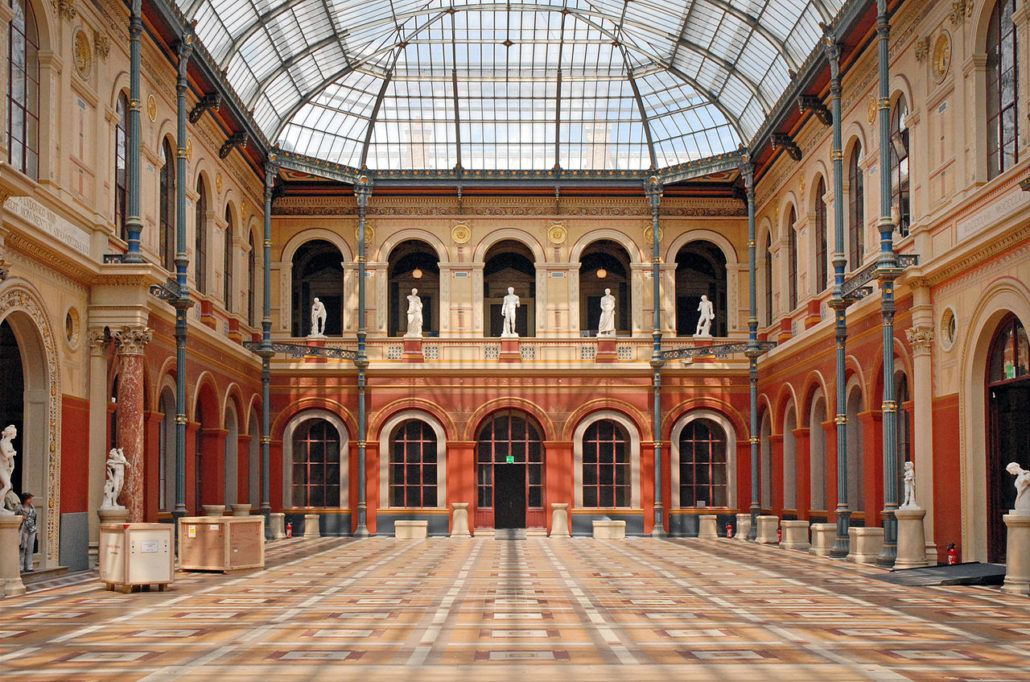
Académies, a school, a style, known and imitated in the whole world ; The Ecole Nationale Supérieure des Beaux Arts is the heiress to a long history, started with the foundation of the Royal Académies of painting and sculpture in 1648 by Louis XIV, then of architecture in 1671. This institution is one of the latest to house under the same roof a modern education intended for the formation of future artists and collections made of 450 000 works of art, accumulated during its three hundred and fifty years of existence, which are also presented in exhibitions inside the school.
https://germanopratines-staging.ovh/wp-content/uploads/2011/02/20090325-ENSBA-litho-e3821.jpg407340https://germanopratines-staging.ovh/wp-content/uploads/2019/12/logo-germanopratines-3-1030x221.png2012-01-10 17:30:222023-11-18 16:30:52PALAIS DES BEAUX-ARTS
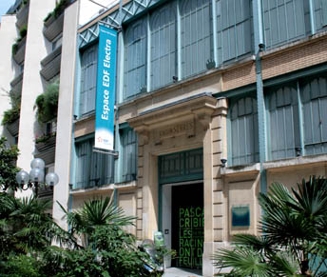
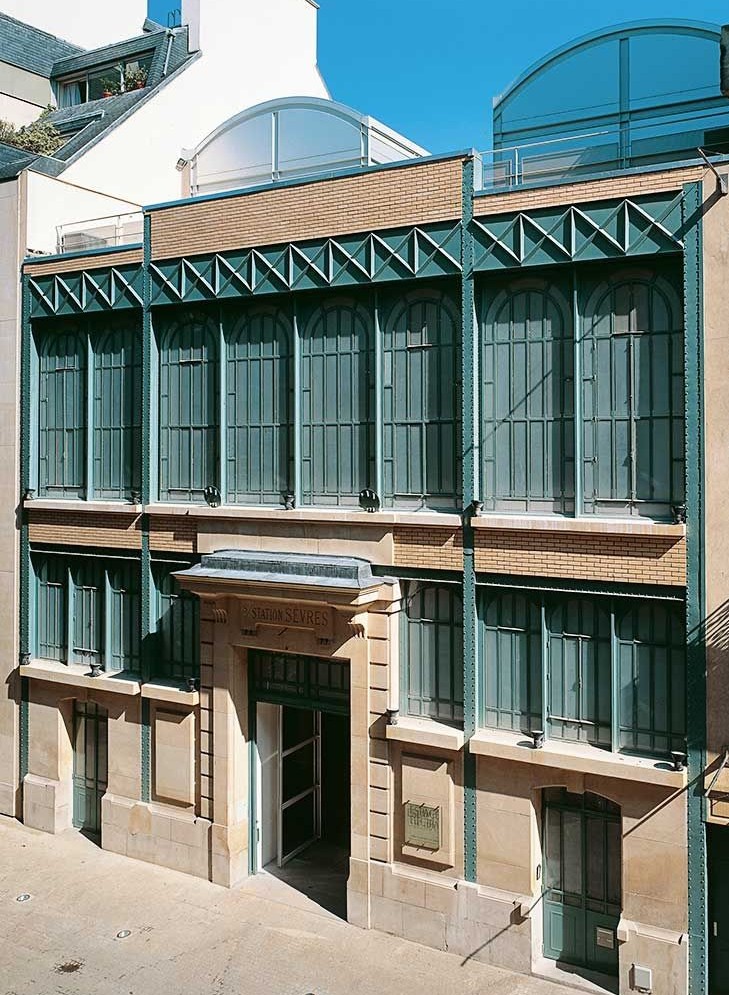
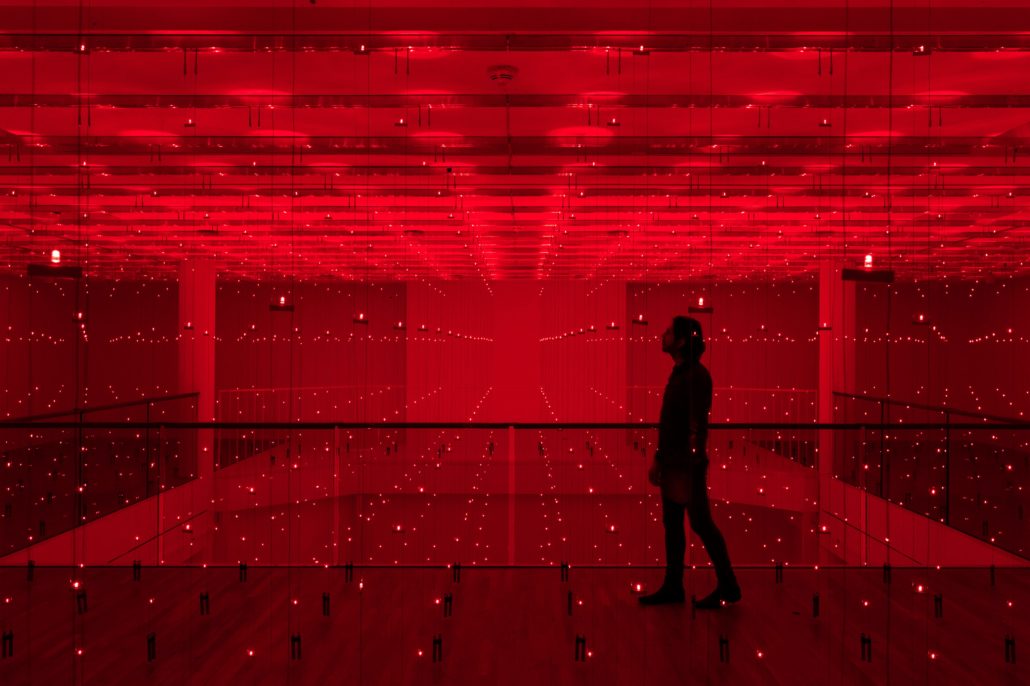
Created in 1990 by the Fondation Electricité de France (French Electricity Fondation), this place is dedicated to thematic exhibitions about nature, patrimony and above all about contemporary art. Cinema, video, photography and new technologies are always in honour.
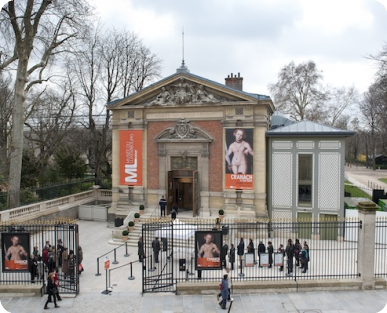
It was Marie de Medici who had the Luxembourg Palace built between 1615 and 1630. In 1750, it became the first French museum open to the public, with nearly 200 paintings on display, before becoming in 1818, the “museum of living artists” Where Parisians can discover the creations of painters like David, Ingres or Delacroix. After many years of sleep, due in particular to the creation of other museums in Paris but in 2000, the Senate decided to remake the museum a living place and it is a success because the Musée du Luxembourg is again an essential place of the Parisian cultural life. A place apart, which has no permanent collections, but organizes, twice a year, exhibitions, always exceptional, by borrowing from French and foreign museums to create thematic exhibitions, or by resuming exhibitions presented in the other European capitals: Pissarro, Titien, Fragonard, Cézanne, Cranach or the Italian Renaissance and the Tudors have thus passed by.
https://germanopratines-staging.ovh/wp-content/uploads/2011/01/MUSEE-DU-LUXEMBOURG.png313387https://germanopratines-staging.ovh/wp-content/uploads/2019/12/logo-germanopratines-3-1030x221.png2010-04-07 12:23:212019-09-21 20:15:13MUSEE DU LUXEMBOURG