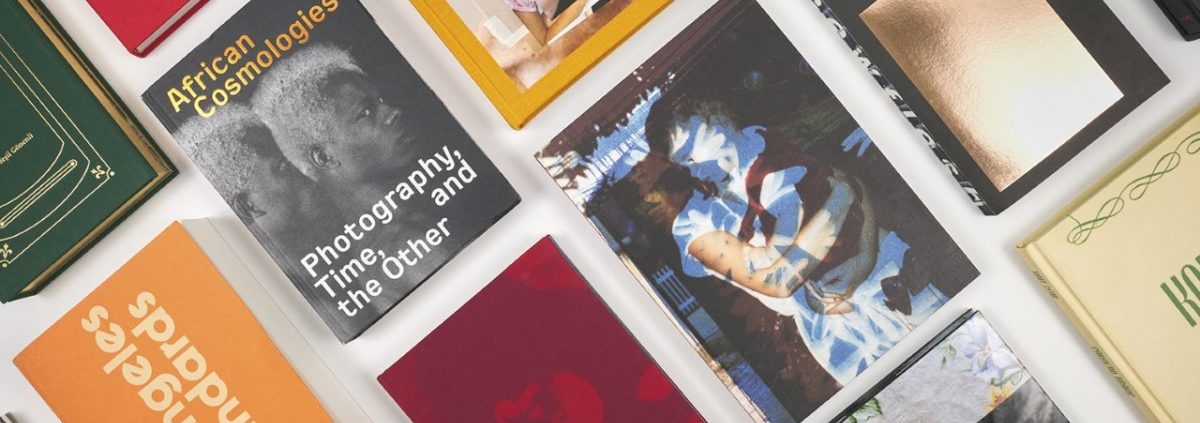
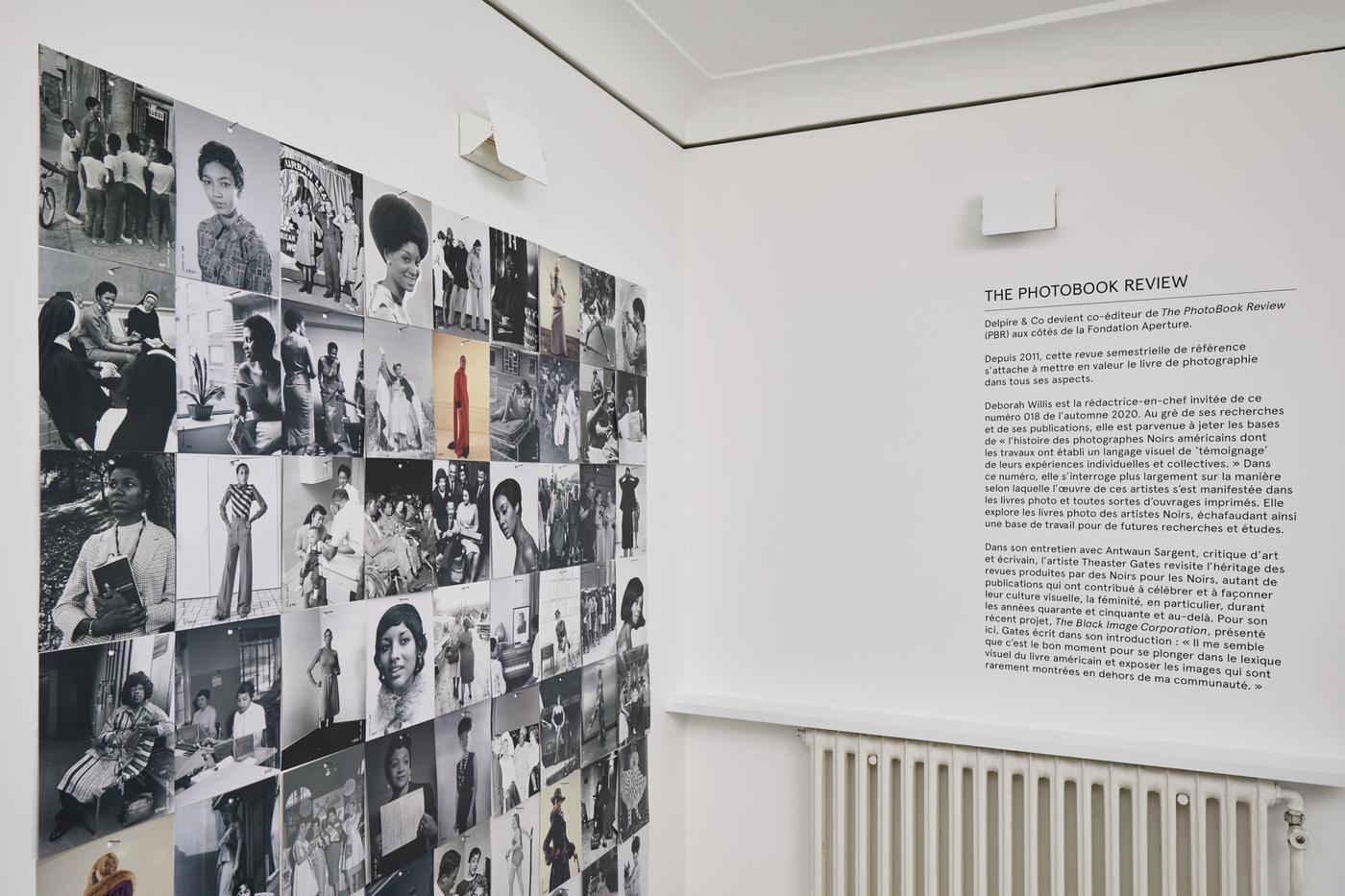
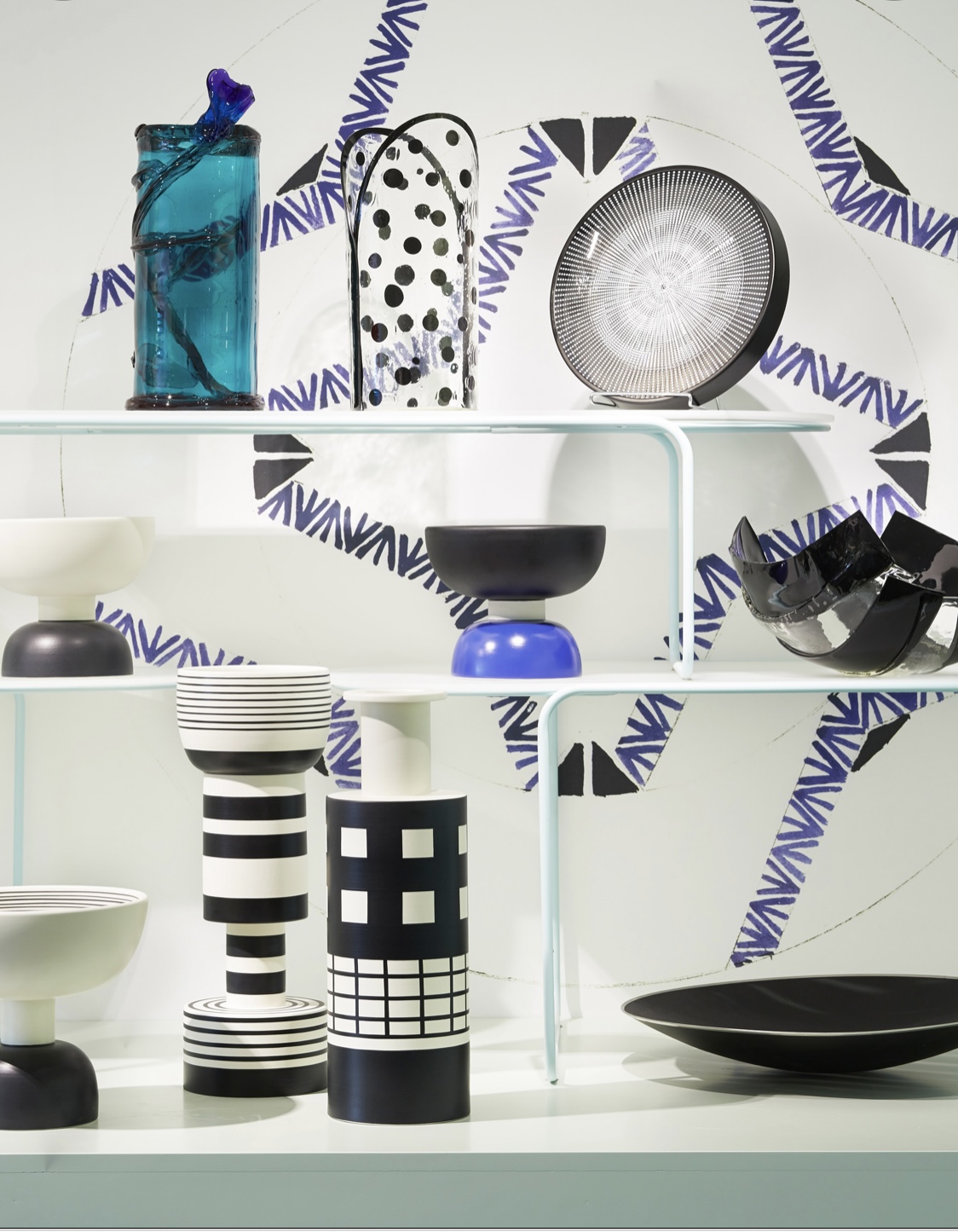
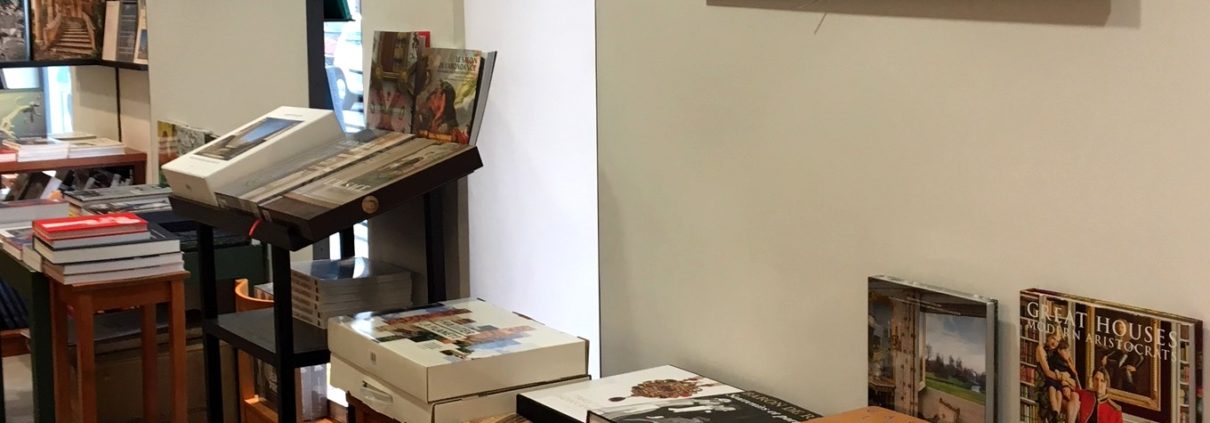
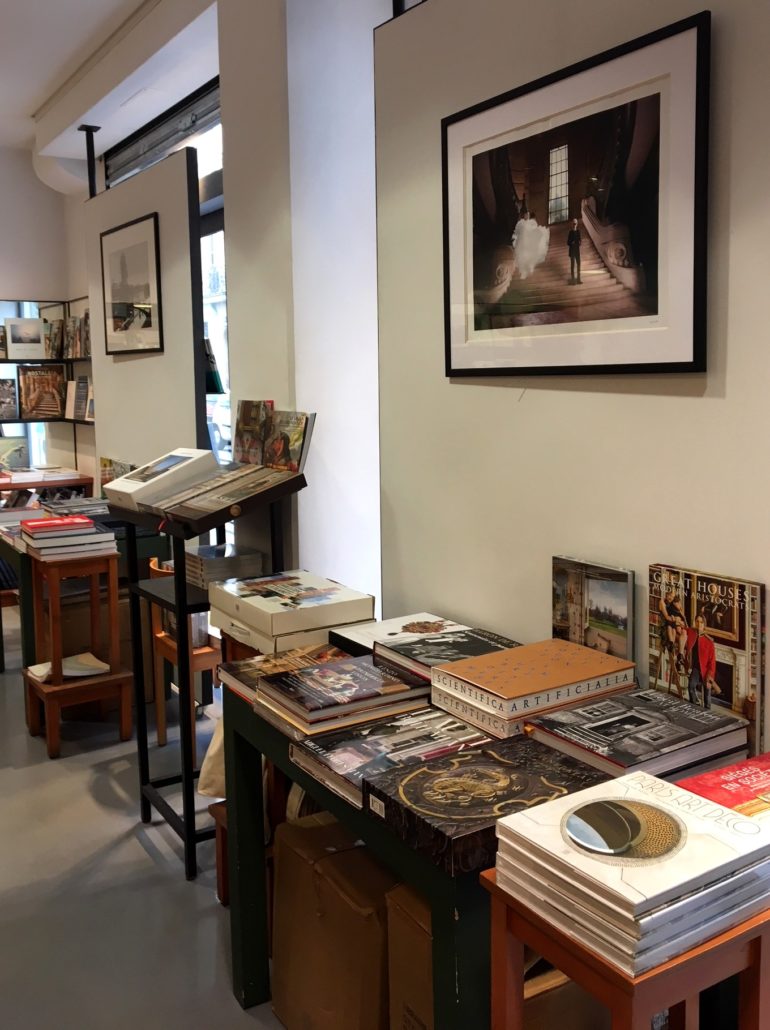
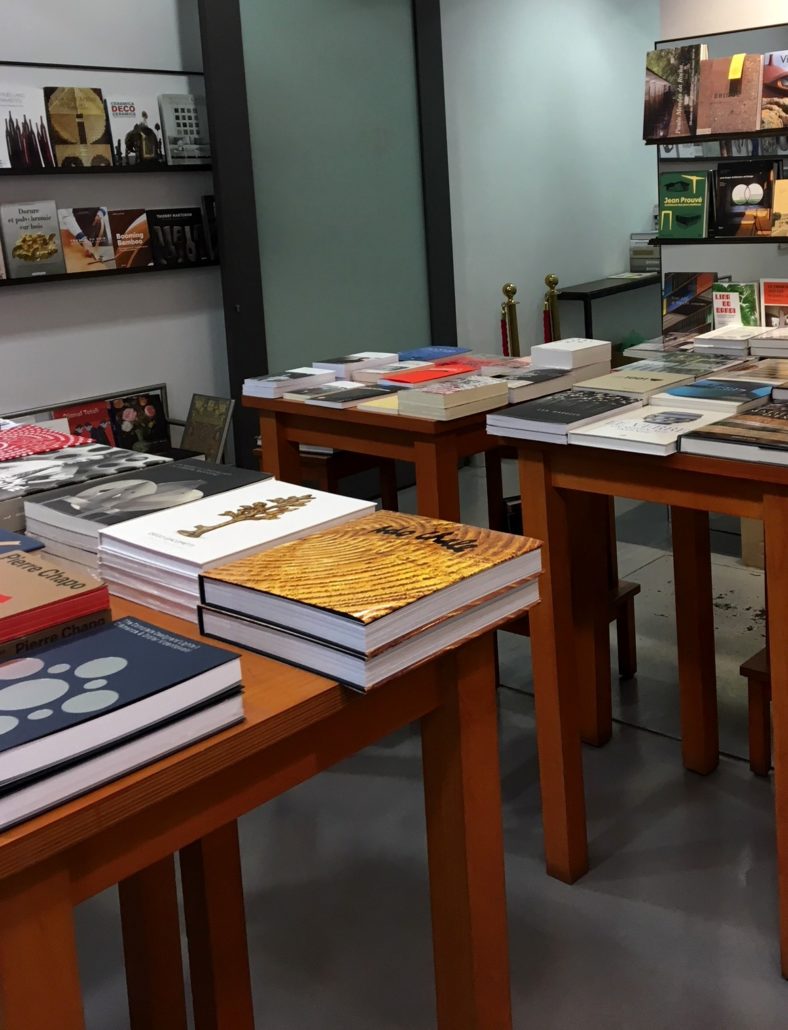
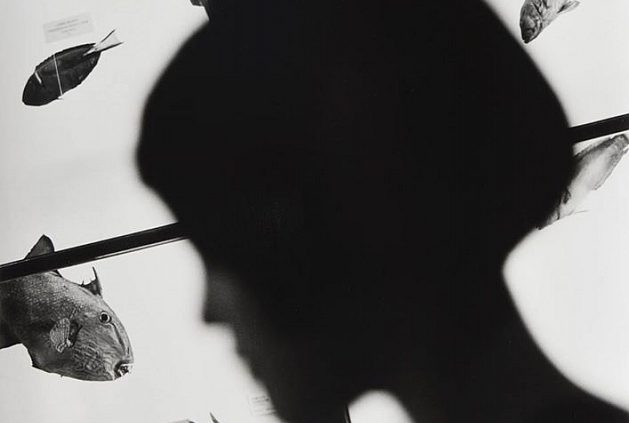
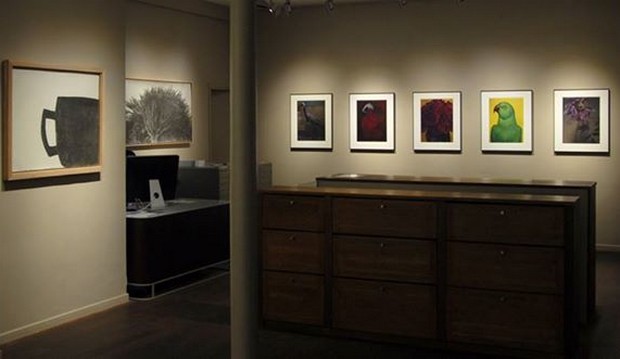
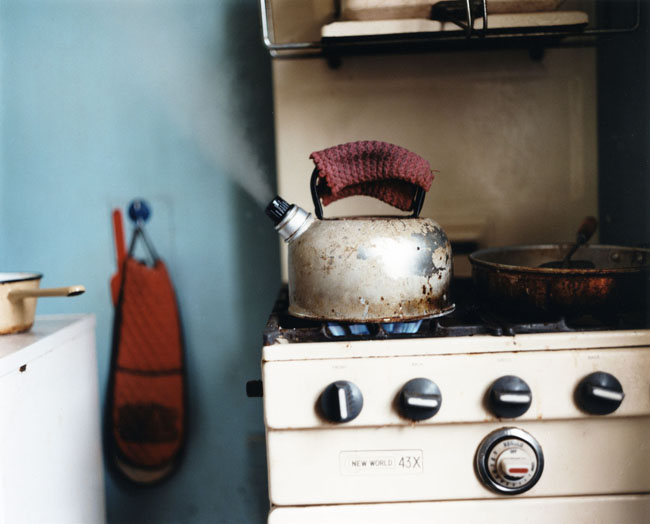
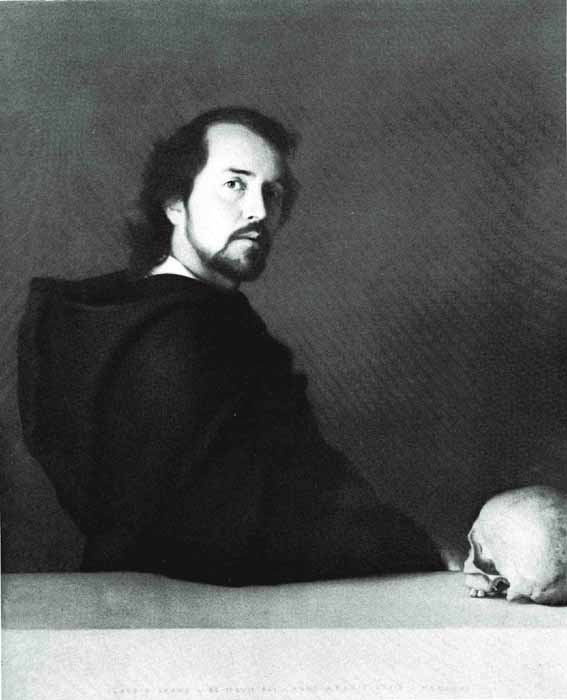
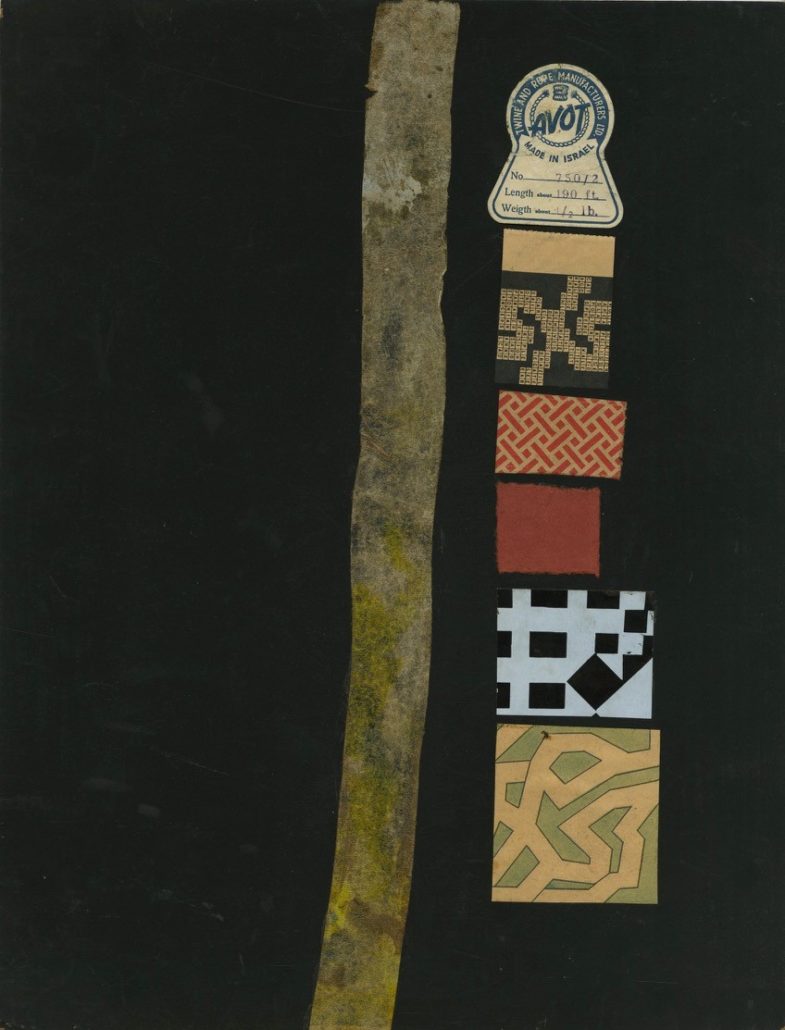
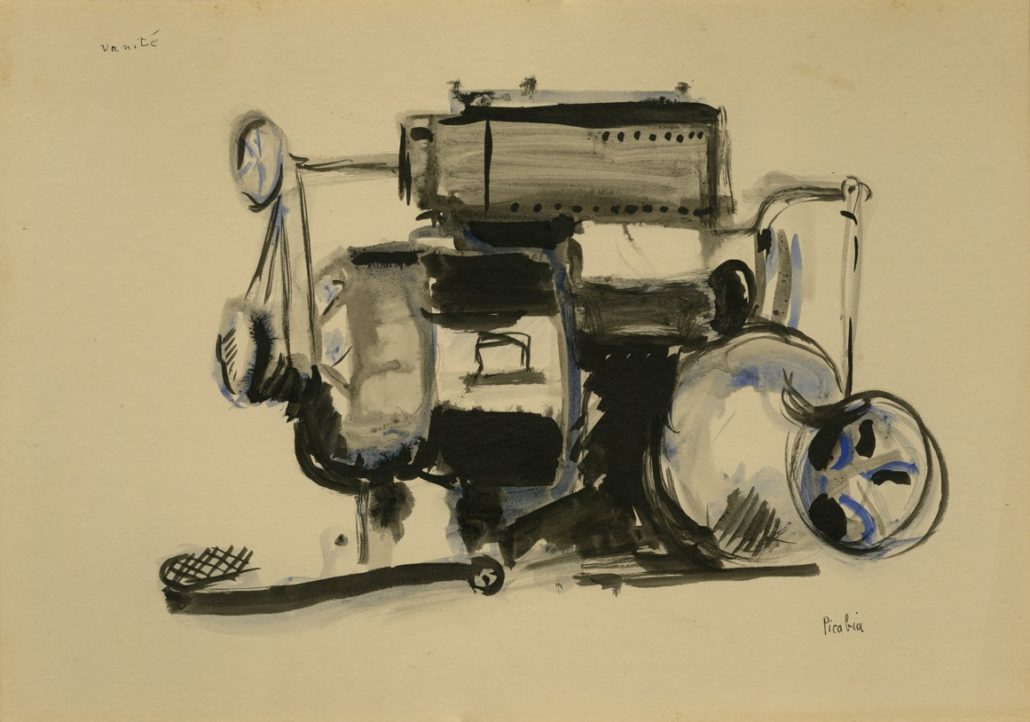
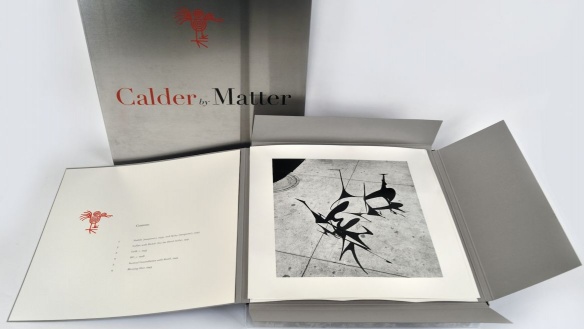
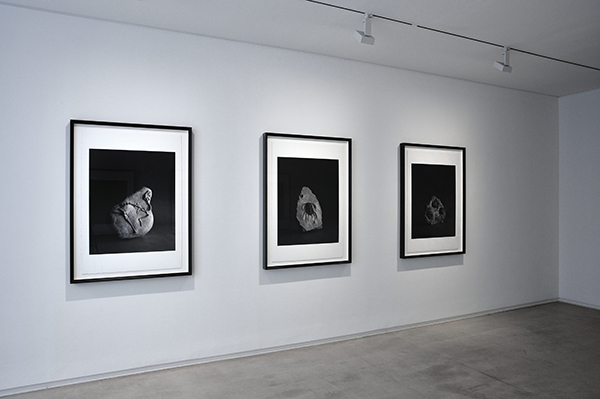
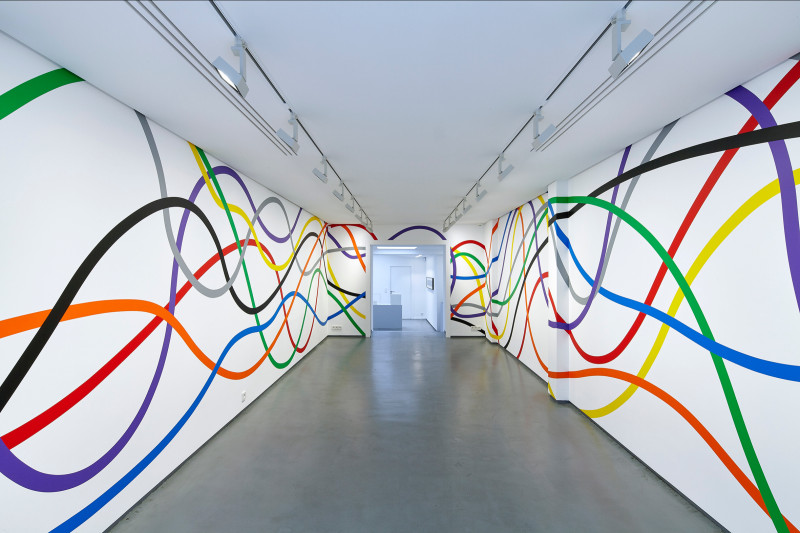
Delpire & Co is both a bookstore of art and photography books, but is also a partner of many literary events and photo exhibitions. Conferences, signatures, it sometimes also becomes the place of very beautiful exhibitions, in particular during PARIS PHOTO.
Librairie DELPIRE & Co
13 rue de L’Abbaye 75006 Paris
Wednesday – Saturday 11.00 a.m. – 07.00 p.m.
/by
https://germanopratines-staging.ovh/wp-content/uploads/2022/11/DELPIRE-3.jpg8011200https://germanopratines-staging.ovh/wp-content/uploads/2019/12/logo-germanopratines-3-1030x221.png2022-11-16 14:46:102022-11-16 14:57:06DELPIRE & Co
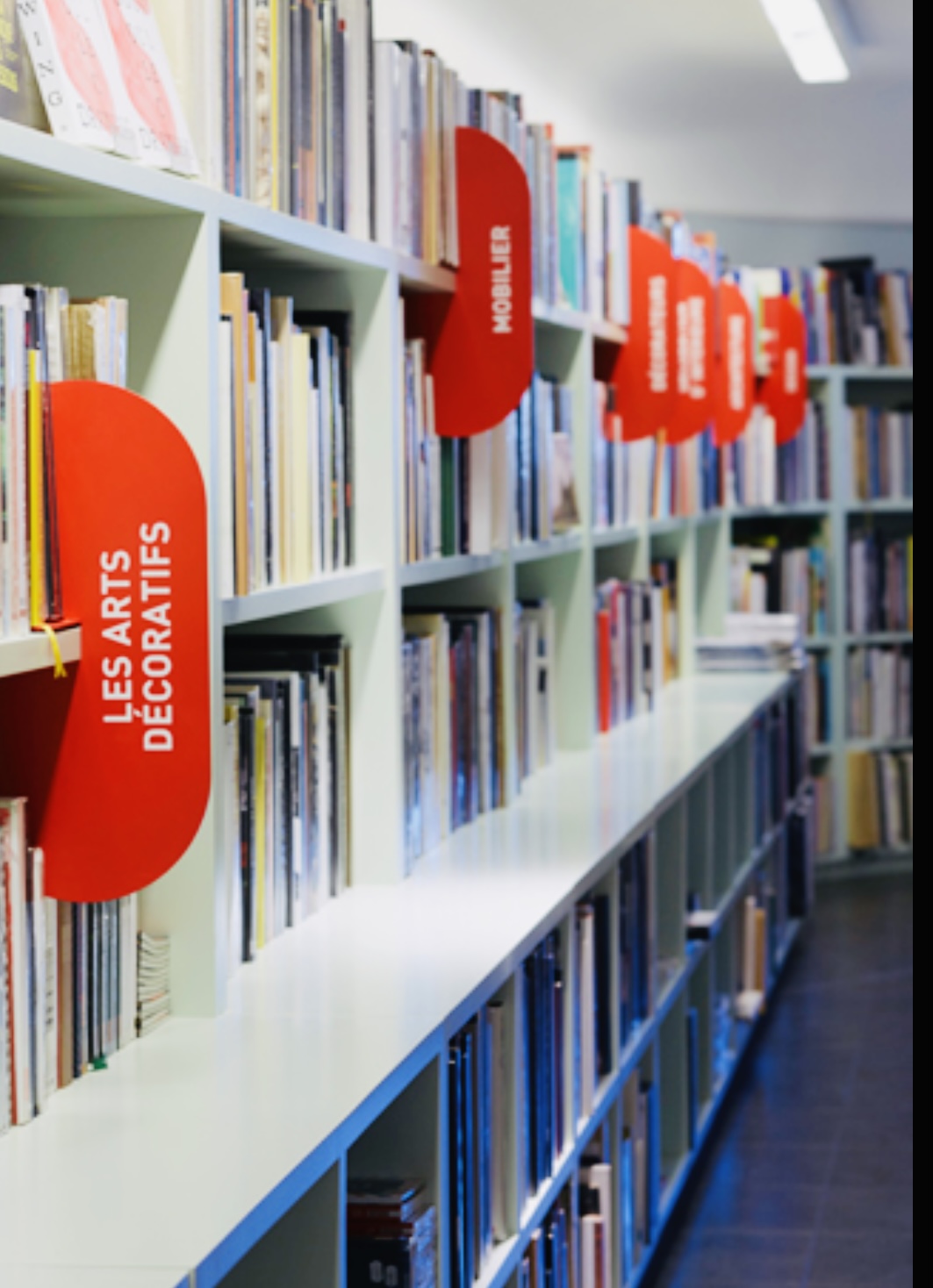
107RIVOLI is the boutique of the museum of decorative arts. A gold mine for all enlightened amateurs and specialists in the decorative arts, fashion and design, who will find here the most cutting-edge works and exhibition catalogs from French museums. But the shop also presents a vast selection of jewellery, fashion accessories, stationery, toys, tableware which allows you to discover or afford very pretty objects at reasonable prices.
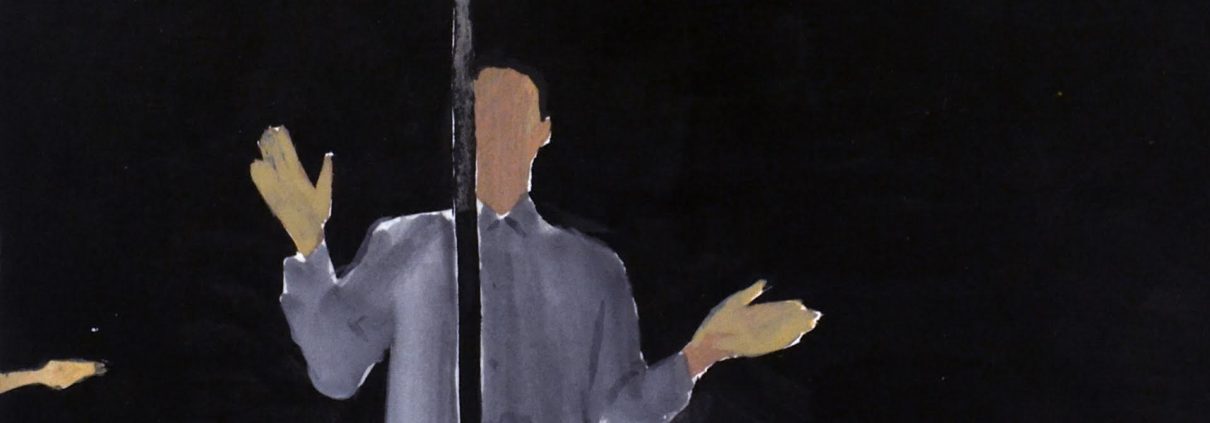
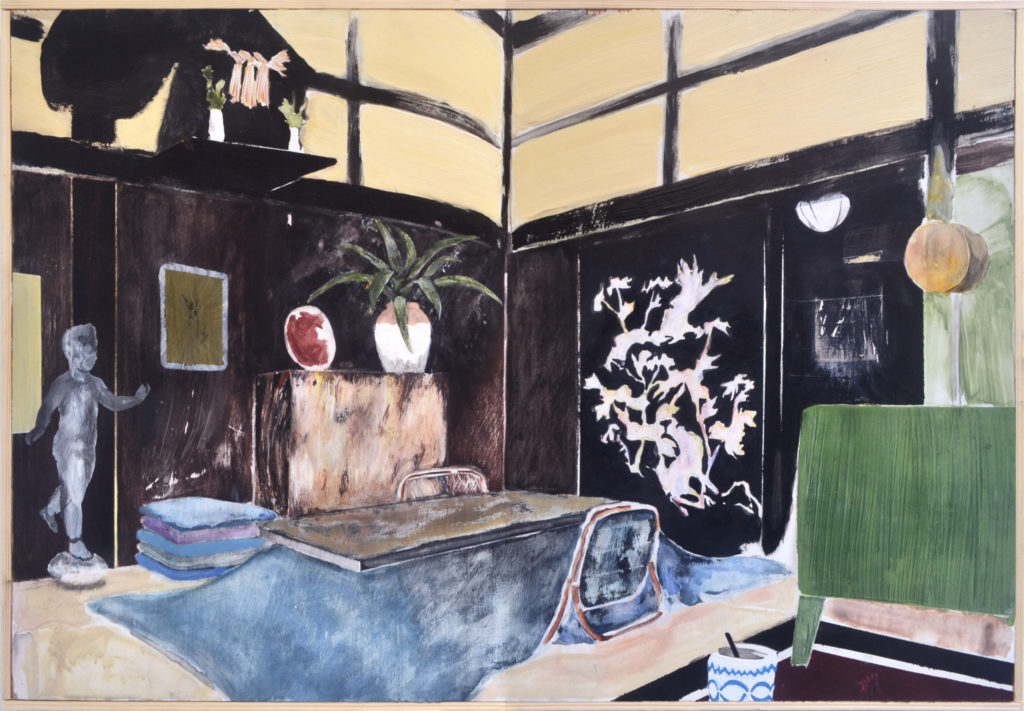
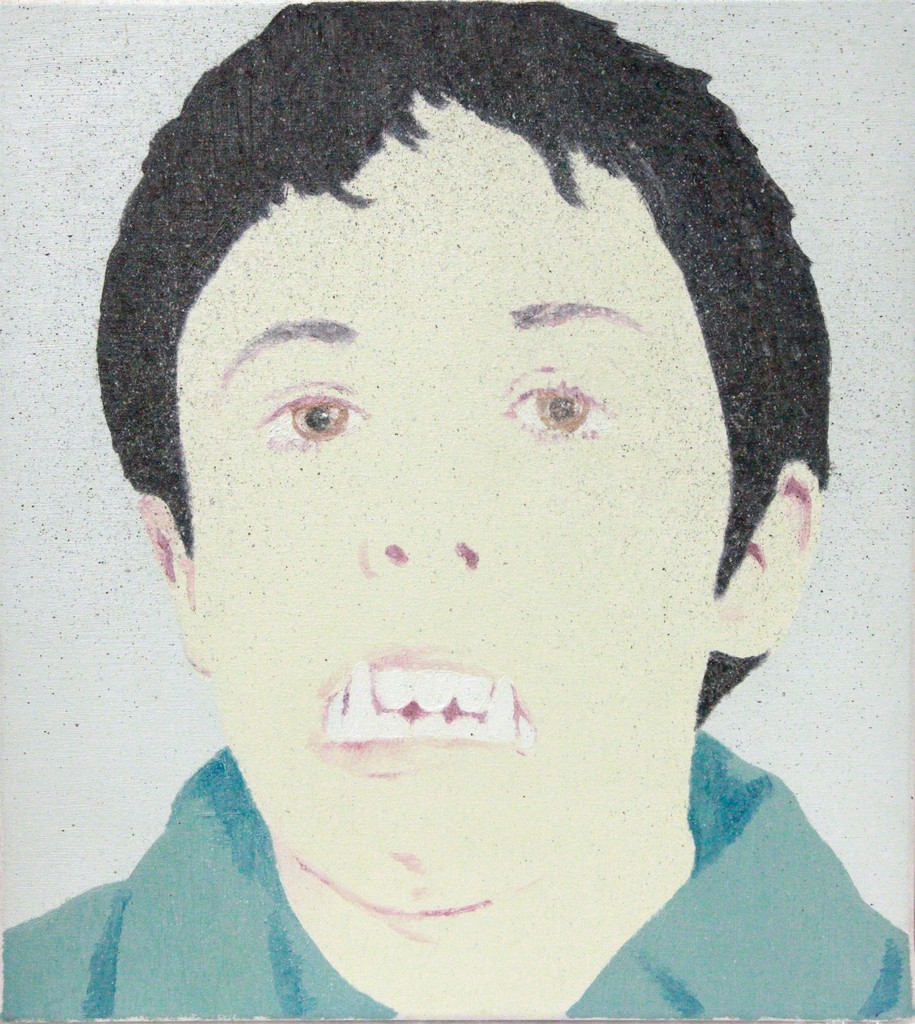
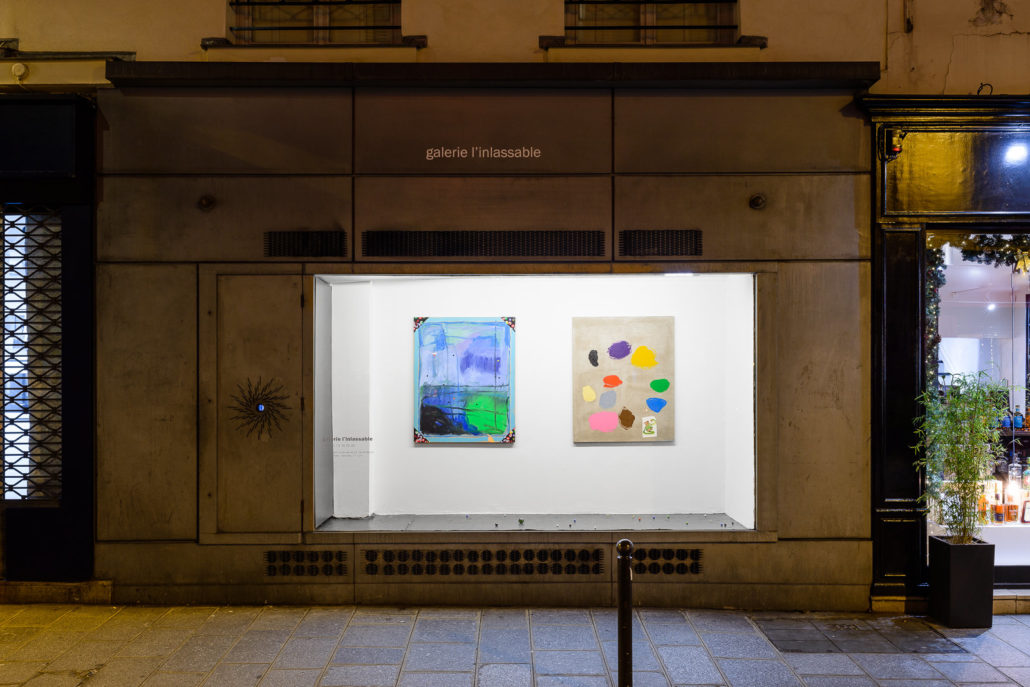
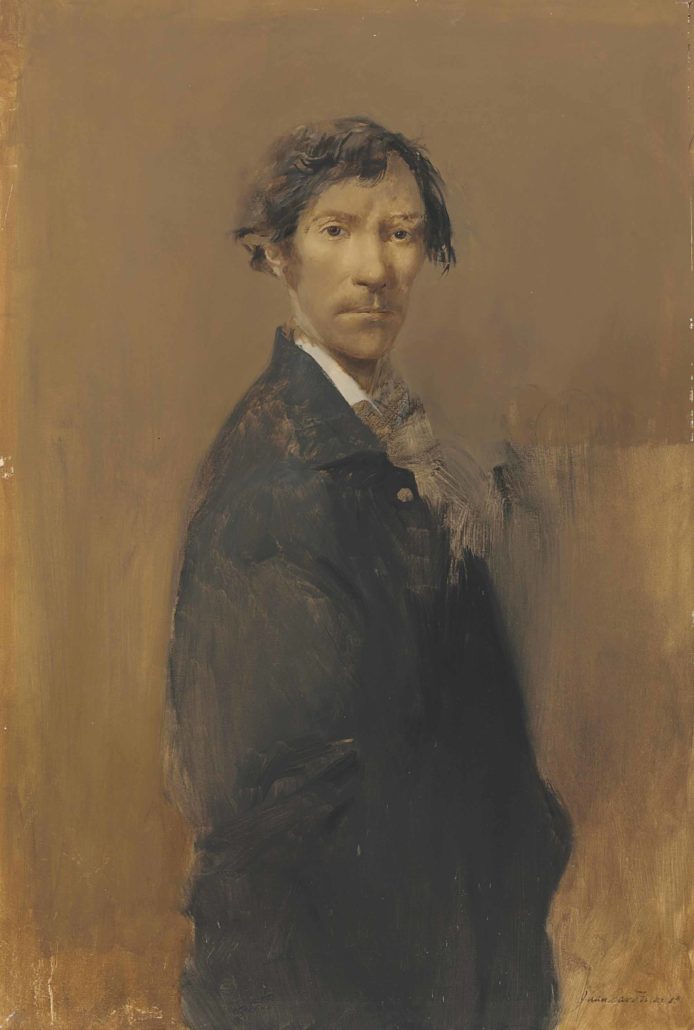
Since its creation in 2012, John Ferrère’s gallery has presented the work of more than a hundred young international artists during some thirty group or personal exhibitions. Caroline Corbasson, Elvire Bonduelle, Gaspard Maîtrepierre, Kevin Perkins, James Rielly, Morten Viskum, Guylaine Bourbon, Matthew Cole, Kai-Chun Chang, Tino Gelli, Audrey Perzo, Justin Williams are among the artists he follows regularly.
John Ferrère has established a resolutely free programming line and is one of those gallery owners who give contemporary art a new lease of life. Its showcase is also a must see at any time, day or night.
Galerie l’Inlassable
18 rue Dauphine 75006 Paris visible 24/7 01 73 74 75 45
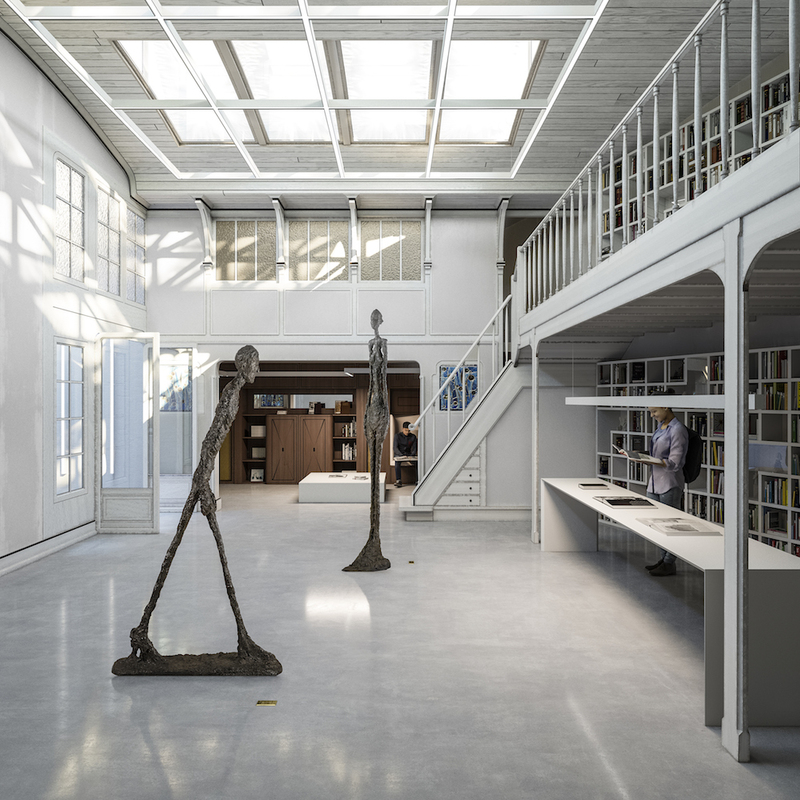
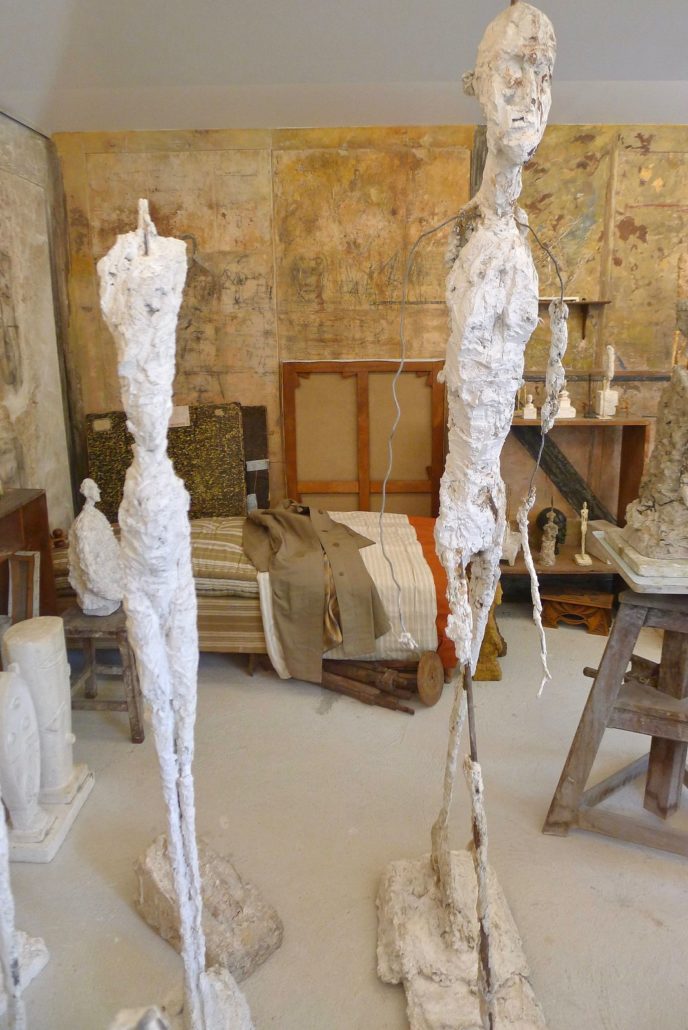
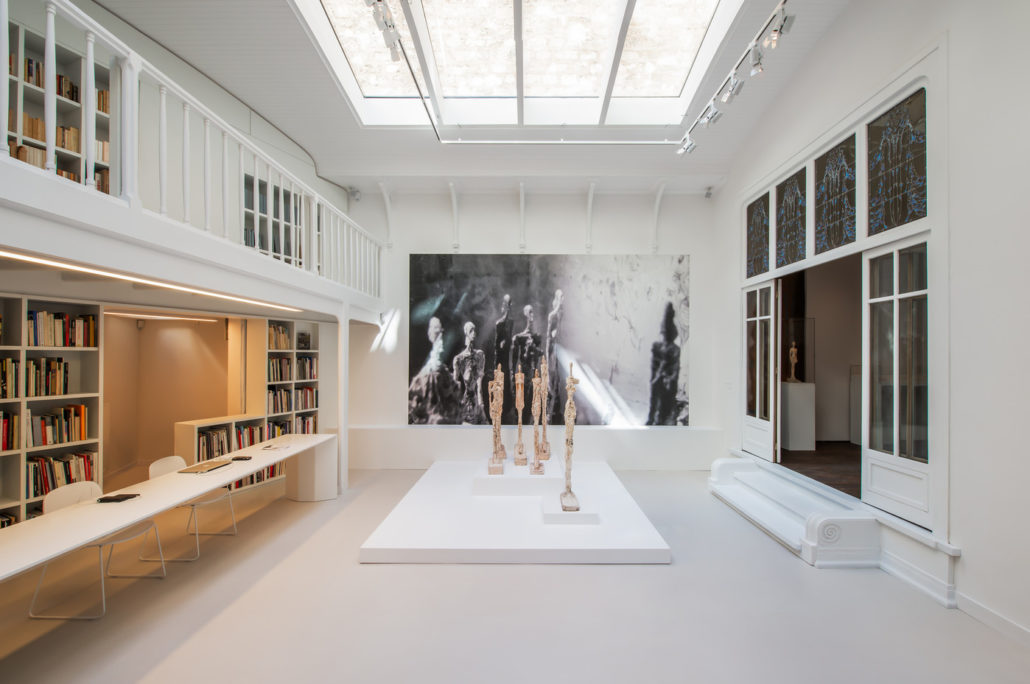
Go to the Montparnasse district, where Alberto Giacometti (1901-1966) lived and worked in his legendary studio at 46, rue Hippolyte-Maindron from 1926 to 1966. The Giacometti Institute was established nearby, in the wonderful art deco mansion of the artist-decorator Paul Follot (1877-1941).
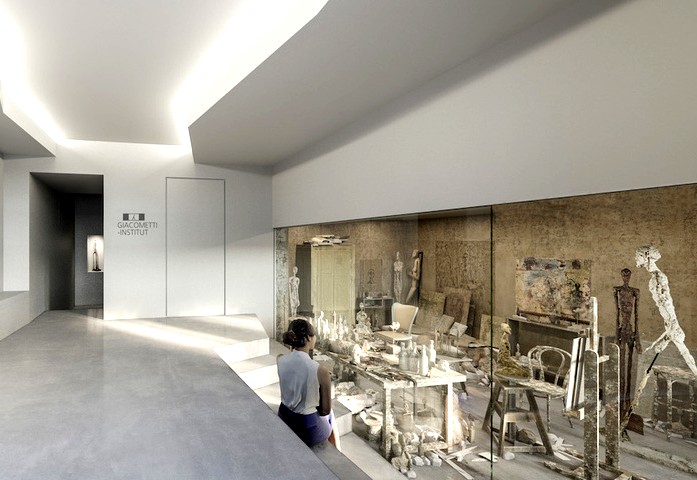
From the reconstruction of Giacometti’s studio on the ground floor, to Paul Follot’s old preserved studio on the mezzanine floor, which is at the same time minimalist, white and sculptural, where Giacometti sits gently, the Giacometti Institute has been wanted as a museum on a human scale allowing a certain proximity with the works.
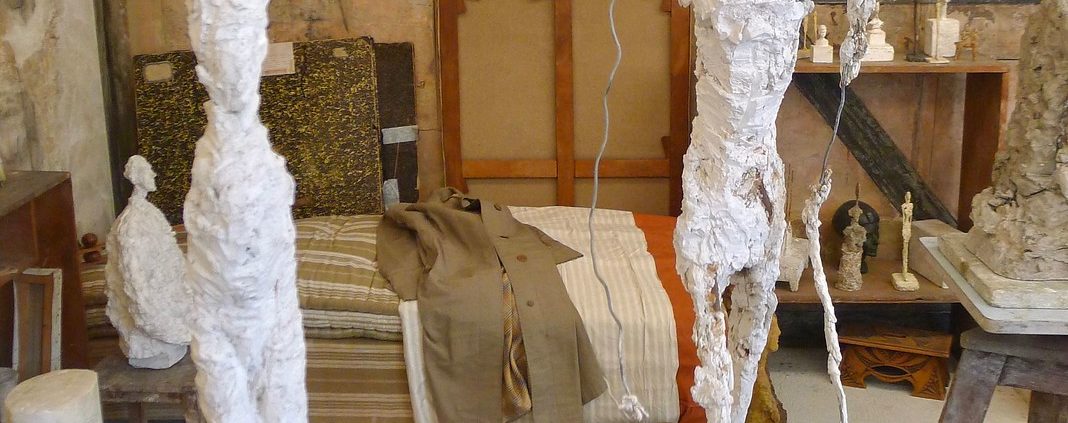
It presents permanently an exceptional reconstruction of the studio of Alberto Giacometti, all of whose elements has been preserved by his widow. Among them, plaster and earth works very fragile, some of which have never been shown to the public, his furniture and walls painted by the artist. More than seventy sculptures, mainly in plaster and bronze, including the latest works in earth on which the artist worked just before his death.
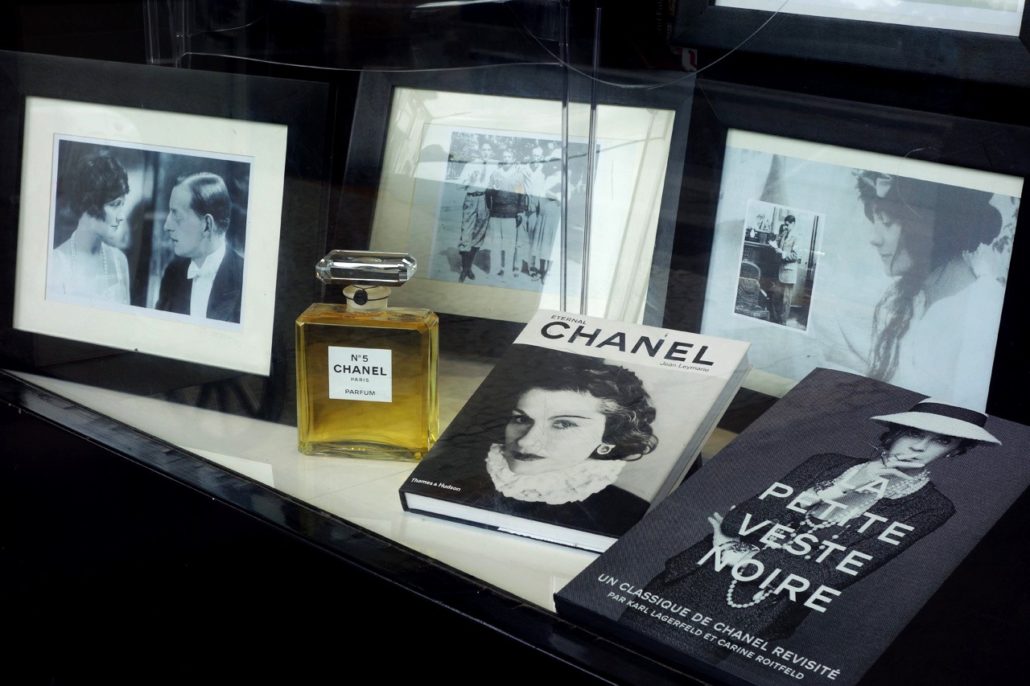
This bookshop created by Karl Lagerfeld presents a great selection of books about photography, decorative arts and architecture and some trendy magazines.
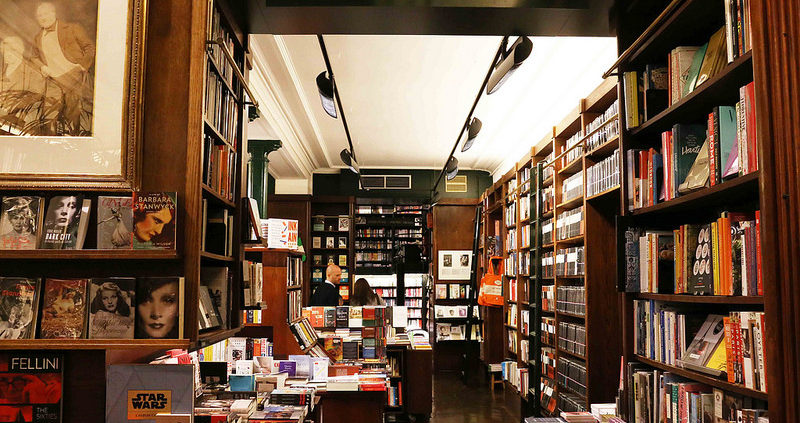
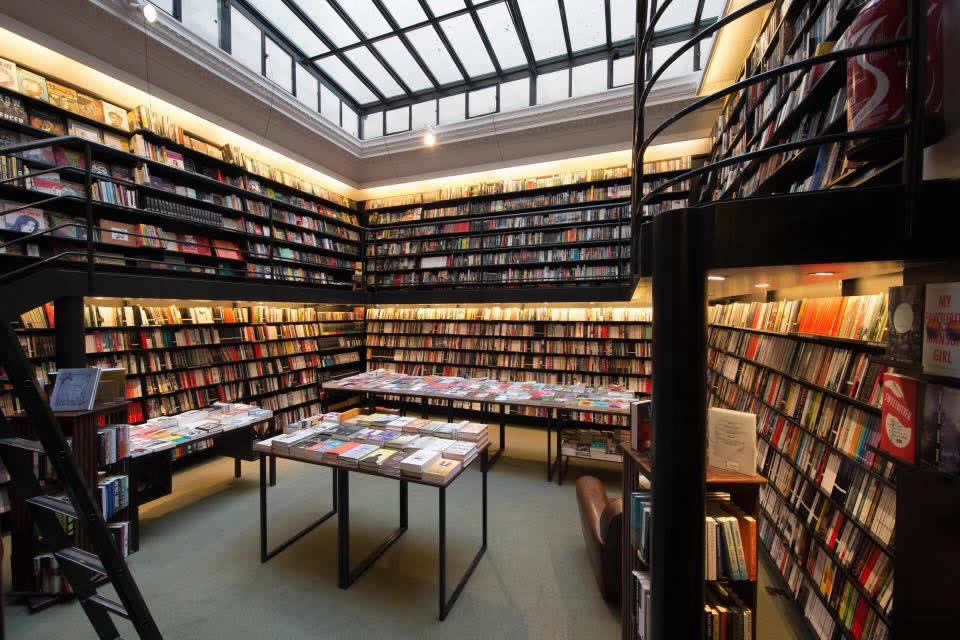
Galignani has been located under the arcades of the rue de Rivoli, in the direct vicinity of museums and grand hotels for 150 years. Galignani is worth a visit for its beautiful wood panels, low-key atmosphere, discrete service and English language selection at the back of the library, under the canopy.
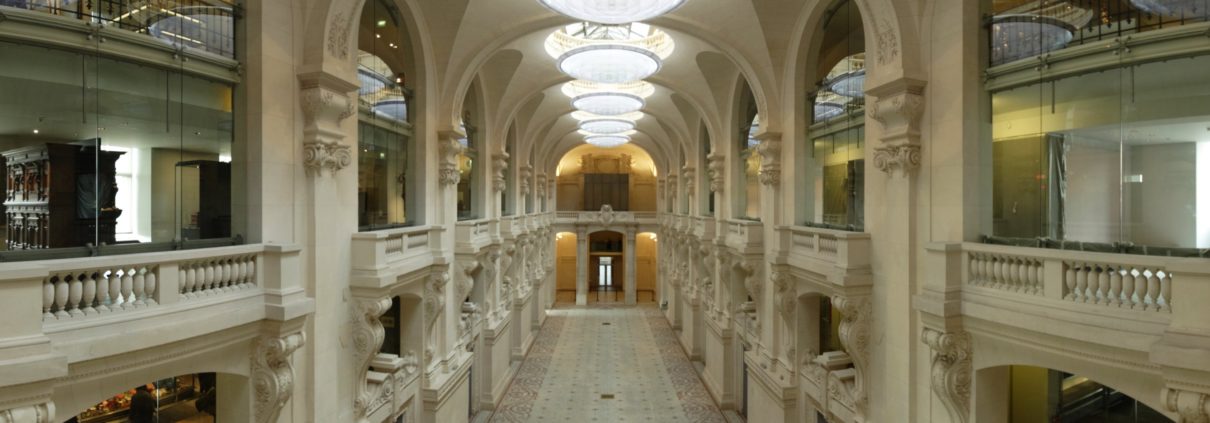
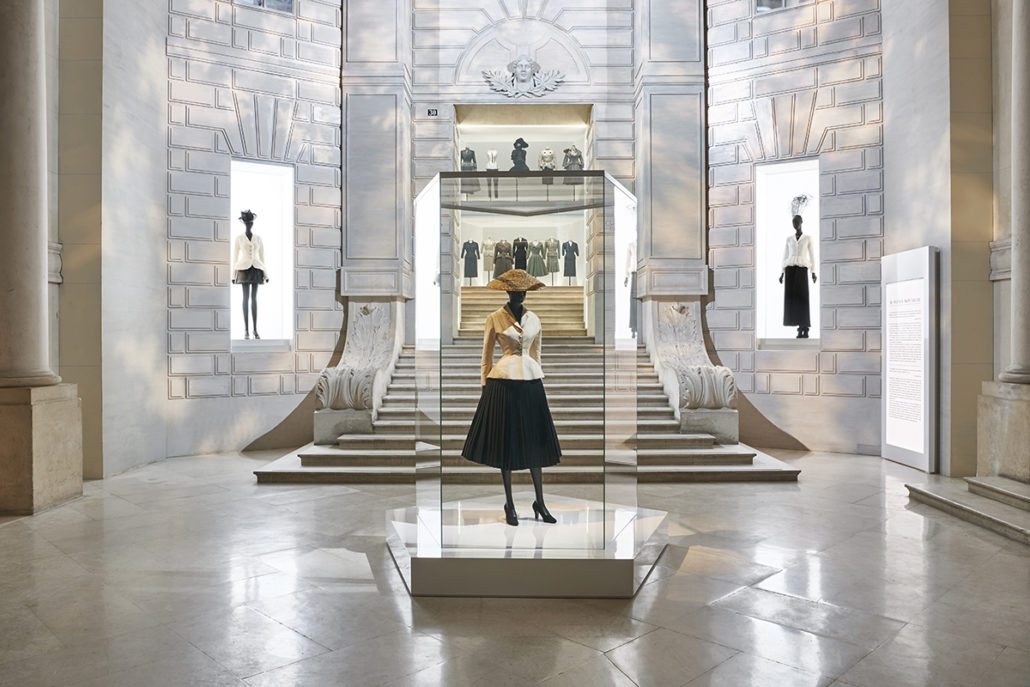
The MAD is a museum which boasts excitingly rich collections as well as temporary exhibitions which reputation is steadily growing. This is a place contemporary creation lovers could definitely consider home. Located in the Marsan wing of the Louvre, its prime mission is the appreciation of fine arts and the development of ties between the industrial world and culture, creation and production. It remains true to its original mission statement which is to maintain the culture of the arts which pursue beauty and usefulness in France.
In 2018, the Musée des Arts Décoratifs became the MAD, which stands for Mode Arts Design (Fashion Arts Design)
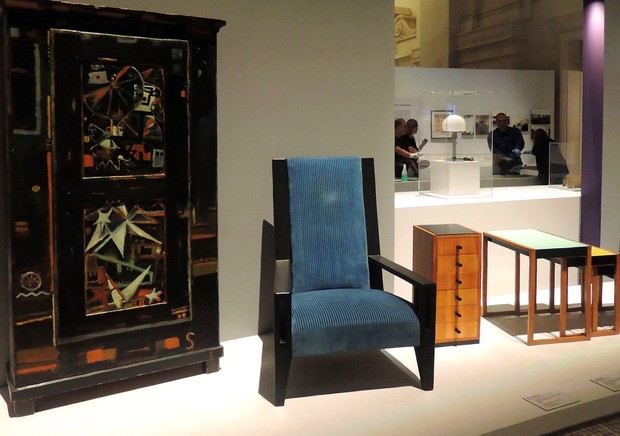
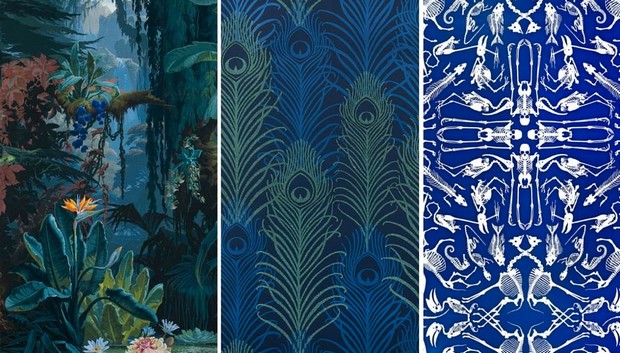
It conserves one of the most important fine arts collection in the world in 5 departments with a chronological approach -Medieval era and Renaissance, 17th and 18th centuries, 19th century, Art Nouveau-Art Deco, Modern and Contemporary- and 7 themed departments – graphic arts, jewellery, toys, wallpapers, glass, fashion and textile, advertising and graphic design- thus taking us on a journey to the evolution of artistic production in fine arts from the Middle-Ages to contemporary design, showing furniture, tableware, graphic arts, goldsmithery, glass, ceramics, wallpaper, tapestry, painting and sculpture.
MAD
107 Rue de Rivoli, 75001 Paris
01 44 55 57 50
/by
https://germanopratines-staging.ovh/wp-content/uploads/2018/02/Panorama_musee_des_arts_decoratifs.jpg23963948https://germanopratines-staging.ovh/wp-content/uploads/2019/12/logo-germanopratines-3-1030x221.png2018-02-06 09:42:372019-08-13 12:17:06MUSEE DES ARTS DECORATIFS – MAD
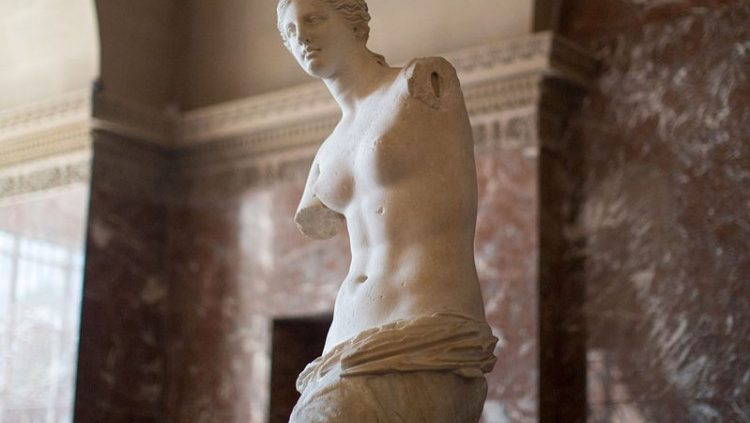
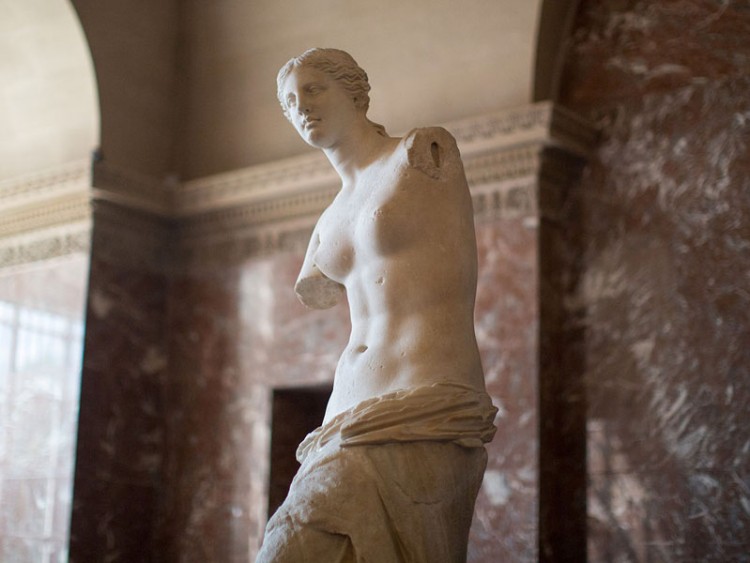
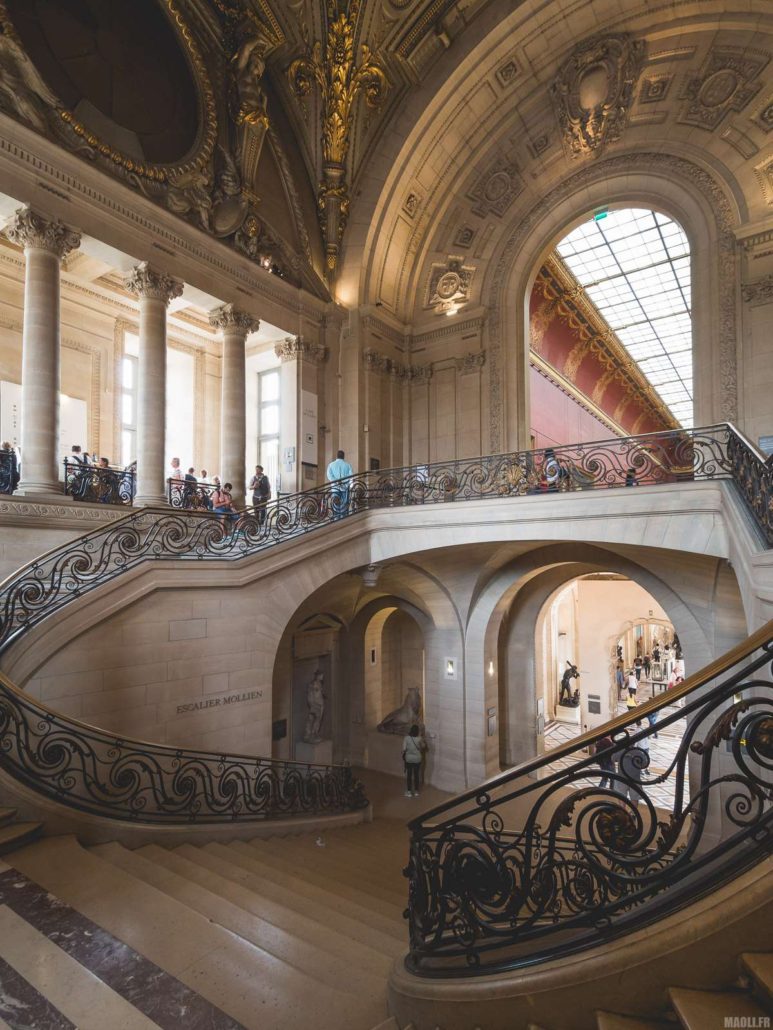
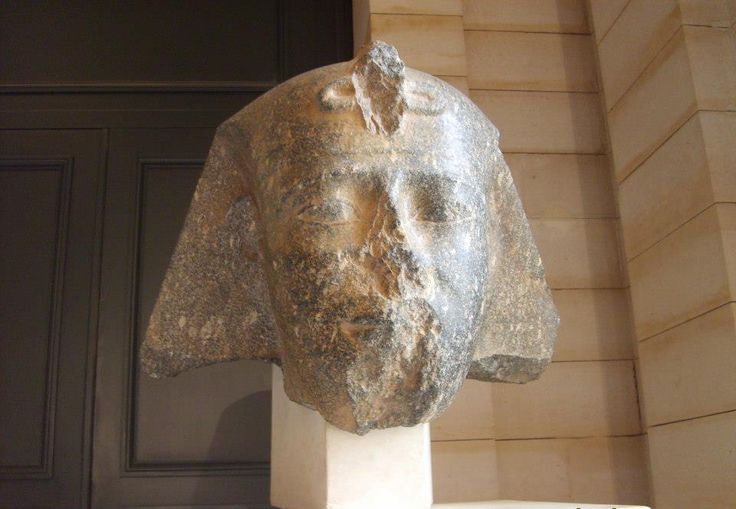
The former residence of the Kings of France, the Musée du Louvre has become the most visited museum in the world. Over 8 millions people come each year to enjoy the masterpieces.
The great palace hosting the museums dates back to the 12th century and is in itself a true architectural lesson. From 1200 to 2011, some of the most innovative architects helped build and improve the Louvre. The palace was a political center for a long period: a royal residence, and the home of French Chiefs of State until 1870, it was a key place in the history of Paris and France.
A dark fortified fortress built in the 12th century, the Palais du Louvre was the residence of King Francis I then the sumptuous palace of Louis XIV known as the Sun King. A decree from the 6 May 1791 ordered the creation of a Muséum central des arts de la République (Republic’s Central Museum of the Arts). The museum served first and foremost as a place for the training of artists as they were the only ones to have access to le Louvre during the week while the general public could only get in on sundays.
In 1803, the museums was renamed Musée Napoléon and loots from Napoleonic Wars were added to it. Only during the Third Republic did the Louvre become State Property and acquired its current ‘National Museum’ status. During the Presidency of François Mitterrand, the Richelieu wing was given back to the museum as it previously housed the Ministry of Finances. The museum underwent significant revamping under the direction of American architect Ieoh Ming Pei. Its most significant achievement is the building of the Louvre Pyramid at the entrance of the museum.
MUSEE DU LOUVRE
Monday : 9 a.m – 18 p.m Tuesday : closed Thursday : 9 a.m – 09.30 p.m Wednesday : 9 h – 18 h Friday : 9 a.m – 09.30 p.m Saturday : 9 h – 18 h Sunday : 9 h – 18 h
/by
https://germanopratines-staging.ovh/wp-content/uploads/2018/01/MUSEE-DU-LOUVRE-Paris.jpg563750https://germanopratines-staging.ovh/wp-content/uploads/2019/12/logo-germanopratines-3-1030x221.png2018-02-06 09:34:202019-09-21 20:17:34MUSEE DU LOUVRE
Created in 2008 by Hanane Hilmi and Jean Noël de Soy, IN CAMERA presents devotees to black and white, such as Jane Evelyn Atwood or Stéphane Duroy as well as great colourists such as Bertien van Manen, Julian Germain, Dolorès Marat or Gueorgui Pinkhassov. Those artists are displayed in museums all around the world and in great public and private collections.
GALERIE IN CAMERA
21, rue Las Cases 75007 Paris
01 47 05 51 77
/by
https://germanopratines-staging.ovh/wp-content/uploads/2014/05/artlimited_img7582766-01.jpg640629https://germanopratines-staging.ovh/wp-content/uploads/2019/12/logo-germanopratines-3-1030x221.png2016-04-09 16:31:202019-08-15 07:29:06IN CAMERA
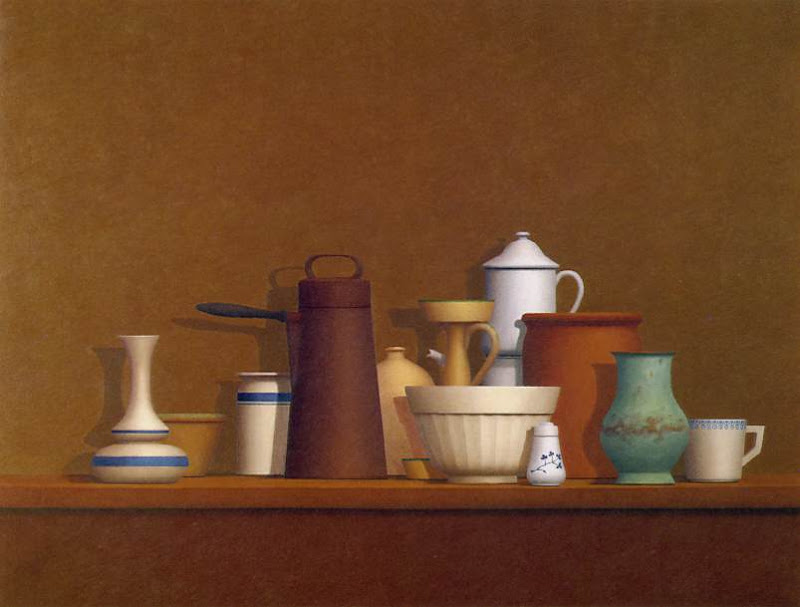
Claude-Bernard directed his gallery from 1957 to 2022.. He has been showing contemporary figurative art. Each year, the gallery organizes approximately six exhibitions as well as one retrospective exhibition of artists such as Morandi, Giacometti, Bonnard or Bacon.
Galerie CLAUDE BERNARD
5 rue des Beaux-Arts 75006 Paris
01 43 26 97 07
/by
https://germanopratines-staging.ovh/wp-content/uploads/2011/02/041209151239appliques146.jpg700567https://germanopratines-staging.ovh/wp-content/uploads/2019/12/logo-germanopratines-3-1030x221.png2016-04-09 15:42:002022-11-18 09:43:50Galerie CLAUDE BERNARD
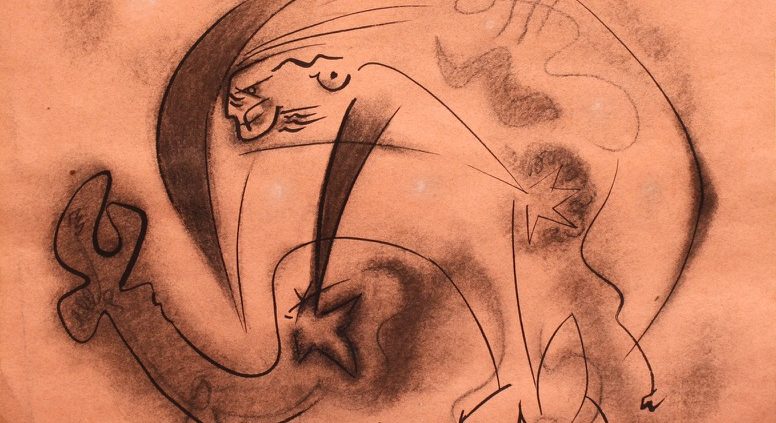
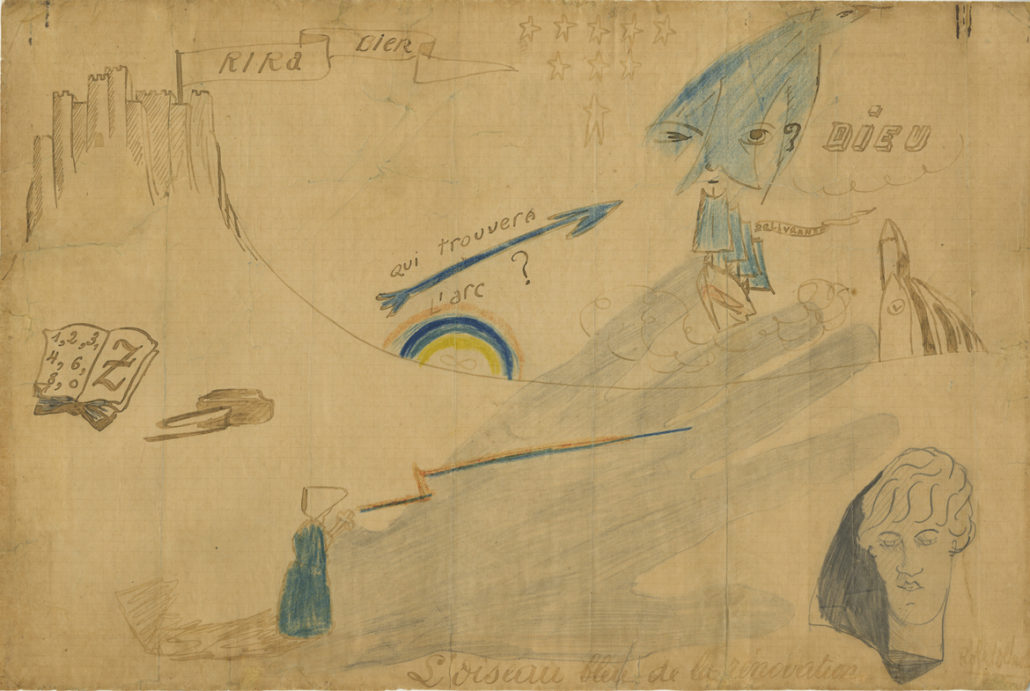
Marcel Fleiss opened his gallery in 1972 with an exhibition of forty rayogrammes by his friend Man Ray. With his son David, they mainly dedicate themselves to surrealist works but also to contemporary photography.
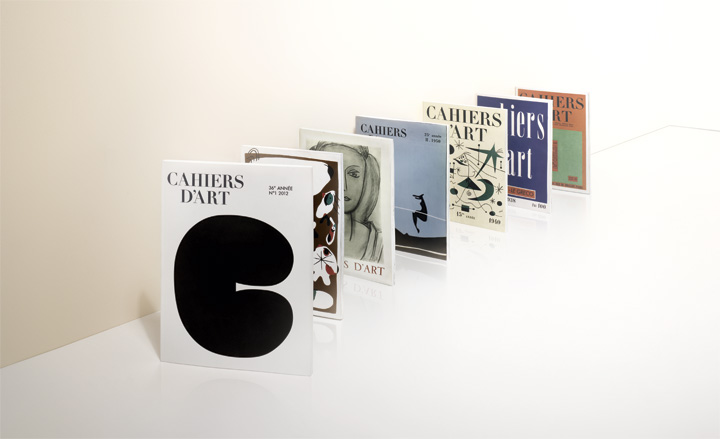
Created in 1926 by Christian Zervos, the Cahiers d’Art review belongs to the legend of SaintGermain-des-Prés. Picasso, Giacometti, Matisse, Léger, Beckett and Miro took part in it before it became slightly neglected. ‘Les Cahiers’ were purchased by the Swede Staffan Ahrenberg and are now headed by Samuel Keller and Hans-Ulrich Obrist and back to their former place and lustre.