
Studi & Schizzi

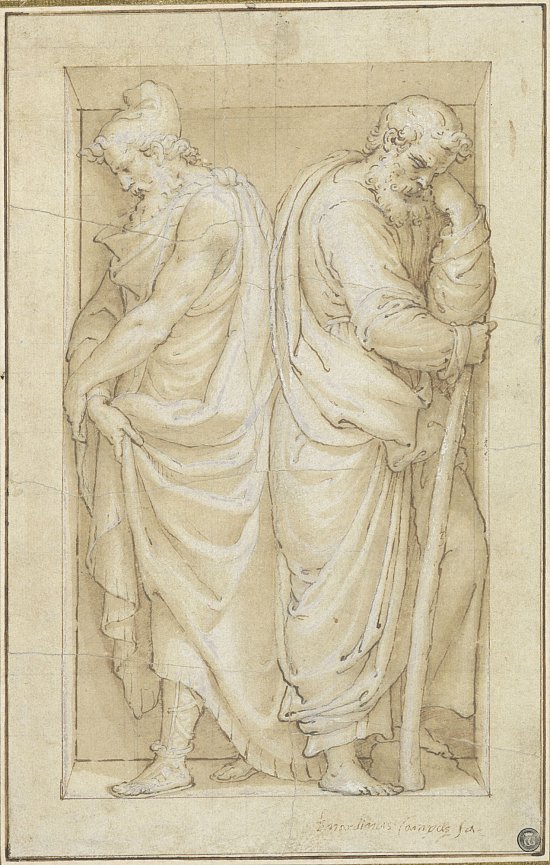
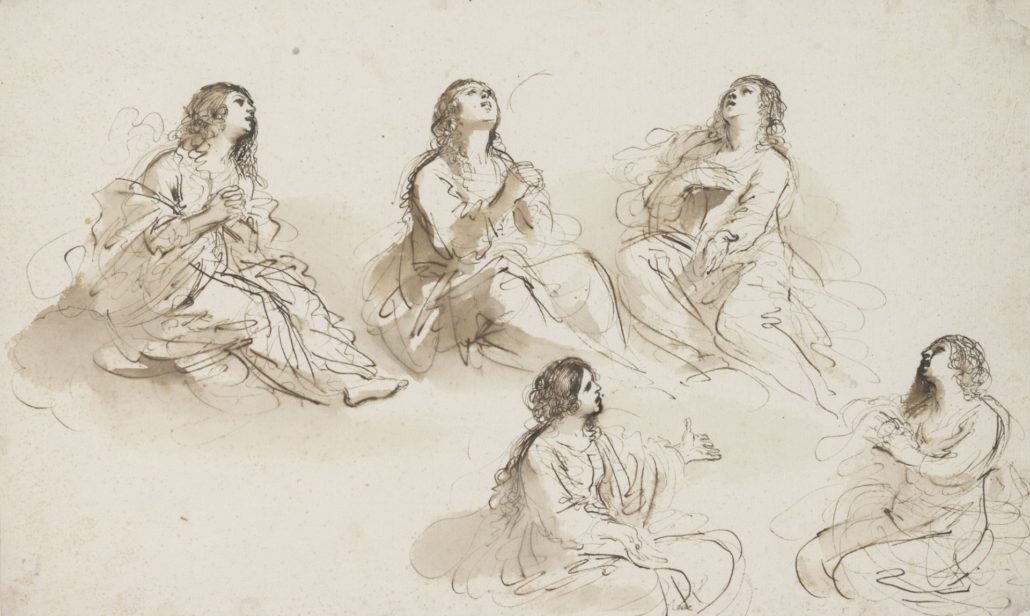
The Fondation Custodia exhibits 86 of the 600 Italian drawings in its collection, executed by artists from the Renaissance to the Baroque period (Filippino Lippi, Andrea del Sarto, Federico Barocci, the Carracci family, Palma Giovane, Guercino, …).

Before drawings became collectible in their own right, drawing constituted one of the essential elements of the artist’s work in the studio. The sketch drawn on the page was the first step to creation; it was the most immediate and most natural visual translation of the inspiration of the artist’s ideas. The representation of the human figure was a major preoccupation during the Renaissance period and one of the constant interests of Italian art over the centuries. Striving for a narrative ideal in an image which, by its very nature, is fixed in two dimensions, the artists were keen to represent their figures in eloquent proportions and attitudes.

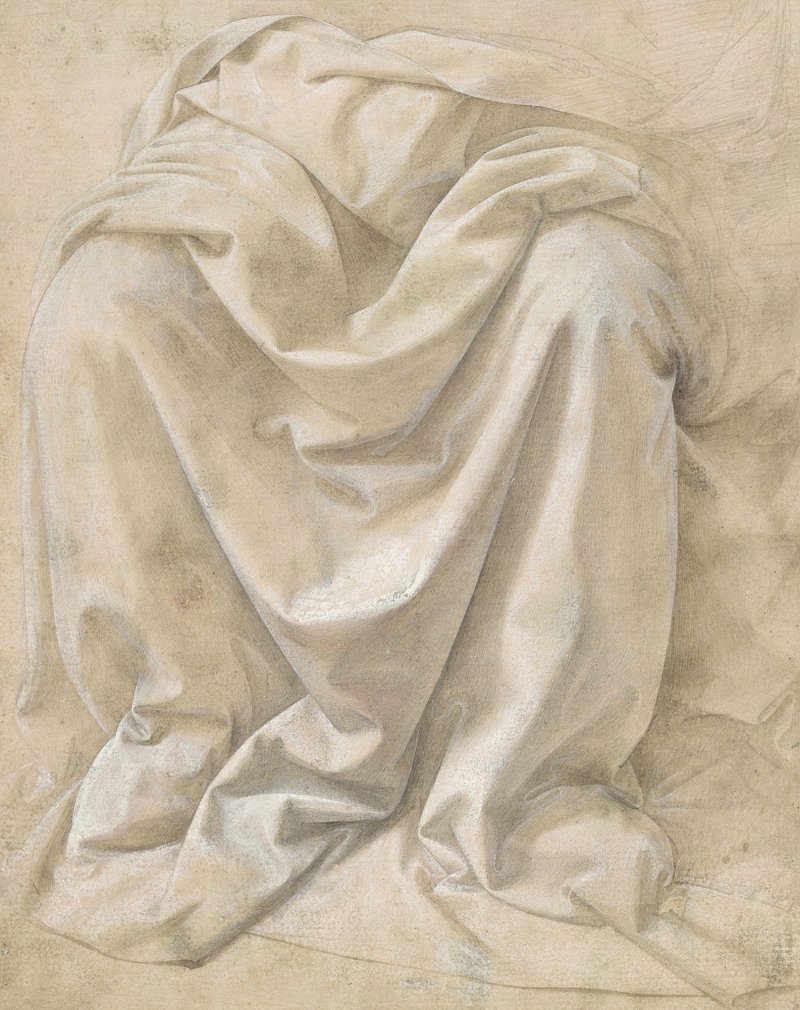
The exhibition highlights the manner in which artists managed to resolve formal problems thanks to the practice of drawing. How to convey the position of the models and the links uniting them ? How to translate the effects of light and shade on bodies and on drapery ? How to arrange the figures in a confined space, corresponding to the shape and size of the final work ?
February 15 – May 10, 2020

FONDATION CUSTODIA

121 rue de Lille 75007 Paris

,

Studi & Schizzi

La Fondation Custodia présente 86 des 600 dessins italiens qu’elle conserve et qui furent collectionnés en grande partie par Frits Lugt, en l’espace d’un demi-siècle seulement. Sont à découvrir des œuvres exécutées par des artistes de la Renaissance au Baroque, parmi lesquels Filippino Lippi, Andrea del Sarto, Federico Barocci, les Carracci, Palma il Giovane ou encore Guercino.

Avant de devenir objet de collection, le dessin constituait un élément essentiel du travail de l’artiste dans l’atelier. L’esquisse qu’il traçait sur la feuille était son premier geste car elle était la traduction visuelle la plus immédiate et naturelle de son inspiration et de ses idées. Préoccupation majeure de la Renaissance, la représentation du corps humain fit l’objet d’un intérêt constant dans l’art italien au cours des siècles. Cherchant à atteindre un idéal de narration dans une image qui, par nature, est figée et en deux dimensions, les peintres s’attachèrent à représenter les personnages dans des proportions et des attitudes éloquentes.

L’exposition met en avant la manière dont les artistes parvinrent à résoudre les questionnements formels auxquels ils étaient confrontés, grâce à la pratique du dessin. Comment définir la position des modèles et les liens qui les unissent ? Comment traduire les effets d’ombre et de lumière sur les corps ou les draperies ? Comment disposer les figures dans un espace contraint, correspondant à celui de l’œuvre finale ?

du 15 février au 10 mai 2020

FONDATION CUSTODIA

121 rue de Lille 75007 Paris